
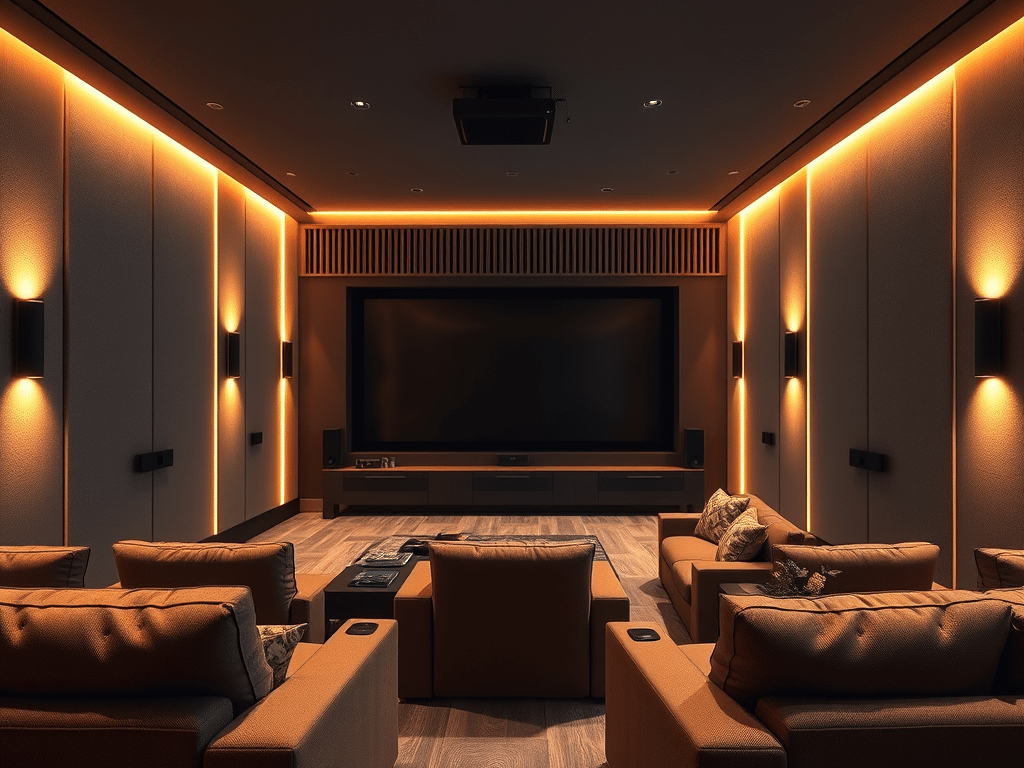
Creating a media room that feels like your own private theater takes more than just a big screen and surround sound. It’s about combining design, comfort, and technology in a way that transforms how you experience movies, sports, and music. The best media rooms are built to immerse the senses, balancing visual impact with perfect acoustics and an inviting atmosphere. According to Liaison Technology Group, the design process starts long before the first piece of equipment is installed. Every detail, from seating layout to wall texture, affects the final experience.
The Foundation of Great Sound
A well-designed sound system doesn’t just play audio; it shapes emotion. The placement of speakers, the type of amplification, and the way sound interacts with a room’s surfaces all determine how realistic your audio feels. Clear dialogue, balanced bass, and surround effects that move naturally are what separate a good setup from an unforgettable one.
Rooms that sound great often rely on thoughtful acoustic design. This involves more than adding foam panels or thick curtains. Designers analyze the room’s dimensions, ceiling height, and materials to predict how sound waves will behave. Diffusers help break up echoes, while absorbers prevent harsh reflections. Even the furniture contributes to how sound travels, making it important to choose materials that complement the room’s acoustic goals.
For spaces used for both entertainment and socializing, zoning can help. You might want focused sound in one area for immersive viewing while maintaining comfortable background levels elsewhere. Achieving that balance requires expertise in both sound engineering and practical design. Many professional installers emphasize the importance of precise calibration to ensure every seat in the room experiences consistent, high-quality audio, a point echoed by the http://www.proaudioservices.com website.
Lighting That Sets the Mood
Lighting can make or break the atmosphere of a media room. Too much light washes out the picture, but too little creates eye strain. The trick is layering different light sources and controlling them easily.
Ambient lighting provides gentle background illumination, while task lighting can help with reading or using a remote without distracting from the screen. Accent lights, like LED strips behind screens or under furniture, add a subtle glow that enhances depth and sophistication.
Smart lighting systems allow you to set custom “scenes” for various activities. With a single touch, you can dim the lights for movie night or brighten them when guests arrive. The best setups integrate with voice assistants and automation systems, allowing effortless transitions that match your mood or the time of day.
Designing for Comfort and Style
Comfort plays a central role in creating a space you’ll actually use. The perfect media room encourages you to relax and stay awhile, whether you’re binge-watching a new series or hosting friends for game night.
Ergonomic seating is key. Recliners and modular sofas can be arranged to provide everyone a great view while maintaining an open feel. Many designers use tiered seating for larger rooms, ensuring the back row gets the same viewing angle as the front.
Textures and colors also influence comfort. Soft fabrics, warm tones, and acoustic wall treatments can make the space feel cozy without sacrificing performance. For smaller rooms, built-in cabinetry helps hide wires and components while keeping the look polished and uncluttered.
It’s also worth considering ventilation and temperature control. Audio-visual equipment generates heat, and a well-ventilated design ensures consistent comfort without noisy fans or visible vents.
Choosing the Right Display
The heart of any media room is the screen. Today, homeowners can choose from massive flat panels, ultra-short-throw projectors, or traditional ceiling-mounted systems. The right choice depends on your room size, lighting conditions, and how you use the space.
Large OLED and QLED screens offer stunning contrast and brightness, ideal for rooms with some natural light. Projectors, on the other hand, create a more cinematic feel, especially in darker spaces. The screen size should fit both your room dimensions and viewing distance. As a rule, the image should fill your field of vision without feeling overwhelming.
Don’t overlook calibration. Professional installers can adjust color, brightness, and sharpness for your specific environment, ensuring the image looks exactly as the filmmaker intended.
The Importance of Integration
The true magic of a media room lies in how seamlessly everything works together. From lighting and sound to temperature and streaming devices, the goal is total control at your fingertips.
Modern control systems simplify complexity. Instead of juggling multiple remotes, you can manage everything from a tablet or smartphone. Automation makes the experience feel intuitive. Press “Movie Night,” and the system dims the lights, lowers the shades, powers on the projector, and sets the audio level automatically.
Hidden technology adds to the sophistication. Speakers can be recessed into walls, projectors can retract from ceilings, and racks of equipment can be tucked away in a separate closet. This approach keeps the focus on the experience, not the hardware.
Bringing It All Together
The best media rooms are built with intention. Every decision, from acoustic treatment to seat placement, contributes to an environment that feels both luxurious and personal. Investing in professional design and installation ensures that you don’t just get a collection of gadgets, you get a cohesive experience that performs beautifully for years to come.
Before you begin, define your goals clearly. Are you creating a cinematic retreat, a family entertainment space, or a multipurpose lounge? Each purpose affects design choices and budget priorities.
When done right, a media room becomes more than a place to watch movies. It’s a sanctuary where you can unwind, connect, and escape. Thoughtful design transforms an ordinary room into something extraordinary, a space that blends art, technology, and comfort in perfect harmony.
Discover more from The Cameron Journal
Subscribe to get the latest posts sent to your email.




