
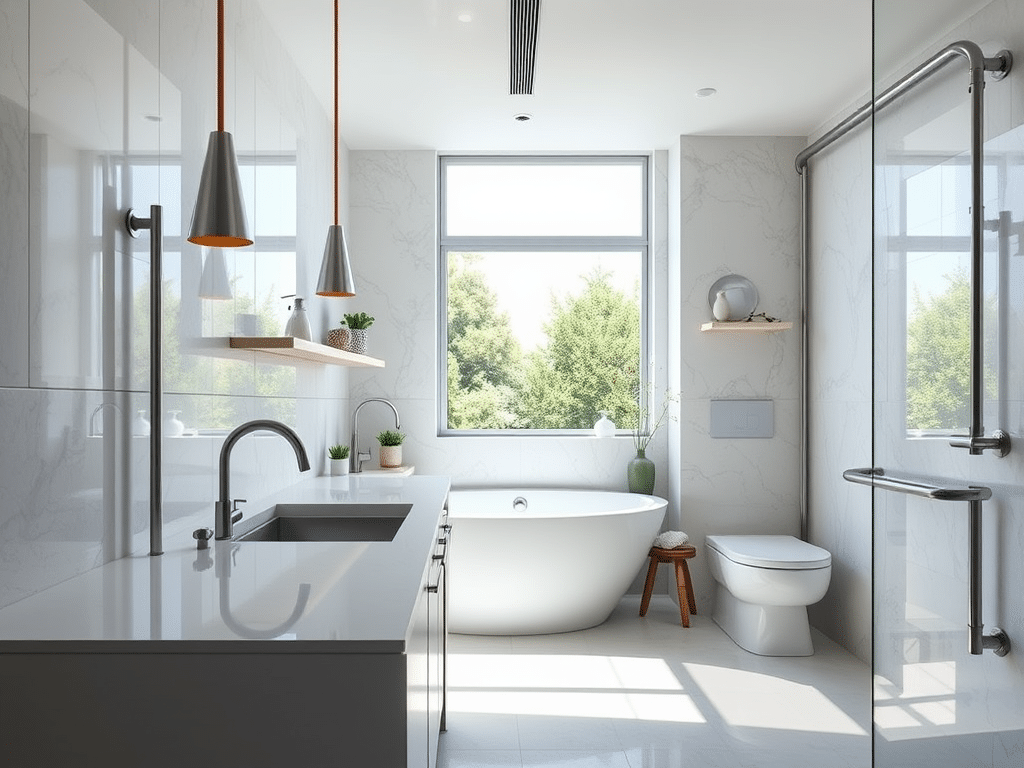

Have you ever looked around your home and thought about how much easier life is because of your plumbing system? From your morning shower to washing dishes after dinner, plumbing plays a major role in how your home works and feels. But plumbing does more than just move water. It shapes how we design, build, and use our living spaces. Whether it’s a cozy apartment or a large family home, plumbing design is often the hidden structure that keeps everything running smoothly. Good plumbing adds comfort, safety, and convenience to daily life.
In this blog, we will share how plumbing design influences modern homes and how it’s more than just pipes behind walls. We’ll explore its role in layout decisions, technology upgrades, energy savings, and more.
The Role of Plumbing in Home Layout Design
Plumbing directly impacts how rooms are arranged in a home. Kitchens, bathrooms, and laundry areas are all designed around where plumbing lines can run efficiently. These spaces must be located where water and drainage are easily accessible. Because of this, architects often decide room locations based on the plumbing system. It’s easier and cheaper to connect fixtures that are close together than to run long pipes across the home.
This setup helps reduce costs and improves how well the home functions. For example, placing a kitchen above or next to a bathroom means the plumber can use the same vertical stack for drainage. This layout saves space inside walls and ceilings while also helping reduce potential plumbing issues. So, your home’s layout isn’t just about style-it’s shaped by plumbing decisions from the start. An experienced plumber in Tigard, or in your local area, will be able to explain this all to you, as well as walk you through how to keep on top of your plumbing to ensure that it is working efficiently.
Modern Plumbing Services That Improve Comfort
Homeowners today want comfort, safety, and reliability, and modern plumbing services help meet those needs. Companies like Great Basin Plumbing and Drain Cleaning offer professional services that improve daily living. They specialize in installing and repairing systems that keep your home running smoothly. From fixing leaks to replacing water heaters, these services make a real difference in how your space feels and functions.In addition to repairs, expert plumbers help upgrade outdated systems. This includes improving water pressure, installing new fixtures, or setting up more efficient drainage. In many cases, they may even recommend water well system upgrades, including improved pumps and filtration equipment, to help ensure a consistent supply of clean water. For properties that require an independent water source, water well installation can provide reliable access to groundwater while supporting the long-term efficiency of the overall plumbing system. These changes not only improve comfort but also reduce the chance of future problems.
How Plumbing Technology Is Changing Homes
Plumbing has come a long way with the help of new technology. Smart plumbing tools now allow homeowners to track water use, detect leaks, and control fixtures from their phones. These changes bring more control and ease to home life. For example, some faucets turn on with a simple wave, while leak detectors send alerts if something goes wrong. These smart systems help prevent damage and save money over time.
Modern plumbing also includes energy-efficient options, like tankless water heaters and water-saving toilets. These updates are better for the environment and your wallet. New pipes and fittings are also designed to last longer and resist corrosion. As plumbing technology keeps improving, homes become safer, more comfortable, and easier to maintain with less effort from the homeowner.
Plumbing’s Impact on Energy and Water Efficiency
Plumbing plays a big role in how much water and energy your home uses. By choosing the right fixtures and systems, you can lower utility bills and help the environment. Water-saving faucets, toilets, and showerheads use less water without reducing performance. This means you still get a great experience while using fewer resources. Over time, this leads to noticeable savings.
Energy-efficient water heaters also help reduce monthly costs. Tankless models heat water only when needed, so you’re not paying to keep a tank warm all day. Pipe insulation and smart thermostats for water heaters also make a difference. Together, these plumbing upgrades reduce waste and increase comfort. They’re a smart investment for any modern home focused on function and sustainability.
The Relationship Between Plumbing and Home Safety
Safe plumbing keeps your water clean and your home protected from damage. Leaky pipes or faulty water heaters can cause mold, flooding, and even health issues. That’s why proper plumbing installation and regular inspections are so important. Plumbers check for worn-out pipes, slow drains, and pressure problems before they turn into bigger issues. These checks keep your home safe for your family.
Backflow prevention is another key safety feature. It keeps dirty water from entering your clean water supply. Without it, contaminated water could spread through your house. Plumbing also includes safety features like pressure relief valves and shutoff controls. These additions help avoid accidents and give you peace of mind. A safe plumbing system is one of the best ways to protect your living space.
Beyond daily maintenance, homeowners should also think about how their plumbing fits into emergency planning. Natural disasters or sudden infrastructure failures can disrupt the main water supply at any time. Knowing how to shut off your main valve and store clean water is a basic part of water safety during these unexpected events. Having a backup plan helps keep your family healthy when municipal systems fail. Simple steps like keeping bottled reserves and learning how to drain your water heater can make a big difference.
Design Trends That Work with Plumbing Layouts
Modern home design often blends beauty with function, and plumbing is at the center of that balance. Open-plan homes, for example, require careful planning so that pipes can be hidden while still reaching where they need to go. Bathrooms with double sinks or wet rooms need well-placed water lines and drains. Designers must work closely with plumbers to make sure the design doesn’t limit performance.
Freestanding tubs and floating vanities are popular right now, but they require special plumbing setups. Homeowners want stylish fixtures, and those choices must match the existing system or be part of a remodel. Today’s plumbing design supports sleek, modern looks while maintaining strong function. Working with experienced professionals helps bring both design and utility together in one space.
Upgrading Plumbing During Renovations
Home renovations are the perfect time to improve plumbing systems. When walls are already open, it’s easier to replace old pipes or add new fixtures. This saves time and money compared to making changes later. Renovating gives homeowners a chance to fix long-standing problems, move sinks or showers, or add features like dishwashers or second bathrooms.
New plumbing also adds value to the home. Buyers often look for updated systems that won’t need repairs soon after purchase. Even small changes, like adding a water filter or new shutoff valves, make a difference. When planning a remodel, working with a skilled plumber can help you make smart upgrades that last. Plumbing improvements during renovation increase comfort, convenience, and home resale value.
In conclusion, plumbing is more than a hidden system behind walls. It shapes how we live, design, and enjoy our homes. From improving layouts and boosting safety to supporting smart technology and helping the environment, plumbing is essential to modern living. As new ideas and tools continue to grow, the role of plumbing will become even more important in home design.
Discover more from The Cameron Journal
Subscribe to get the latest posts sent to your email.




