
Key Takeaways
- Understand your primary needs: privacy, security, aesthetics, or a combination.
- Familiarize yourself with various fencing materials and their maintenance requirements.
- Consider local climate and environmental factors when choosing materials.
- Be aware of local regulations and obtain necessary permits before installation.
Installing a fence is a significant decision that impacts your home’s privacy, security, and aesthetic appeal. With numerous options available, selecting the right fence can be overwhelming. This fence installation service in Cincinnati guide, featuring trusted providers like Furlong Fence, will help you navigate the choices to find the perfect fit for your property.
Assessing Your Needs
Before exploring fencing options, determine your primary objectives. Are you seeking privacy from neighbors, security for children and pets, or enhanced curb appeal? Identifying your goals will guide your material and design choices.
Privacy vs. Visibility
Determining the level of visibility you want is an important aspect of establishing your fencing needs. Privacy fences, generally over six feet tall and made of tightly-spaced panels, are common in suburban neighborhoods where homeowners wish to create secluded backyard sanctuaries. Alternatively, if you prefer maintaining open views while marking boundaries, lower picket or wrought iron fences may be more suitable.
Safety for Children and Pets
If you have young children or pets, safety is a top priority. Opt for fences with minimal gaps and a height that cannot be easily climbed or jumped over. Some homeowners even incorporate self-closing gates and child-proof latches for added security. Before selecting a style, consider your pets’ behavior; dogs prone to digging may require a fence with panels below ground level.
Exploring Fencing Materials
Each fencing material offers unique benefits and considerations:
Wood
Wood fences provide a classic look and can be customized through staining or painting. However, they require regular maintenance to prevent rot and insect damage. Cedar and pressure-treated pine are popular choices due to their durability.
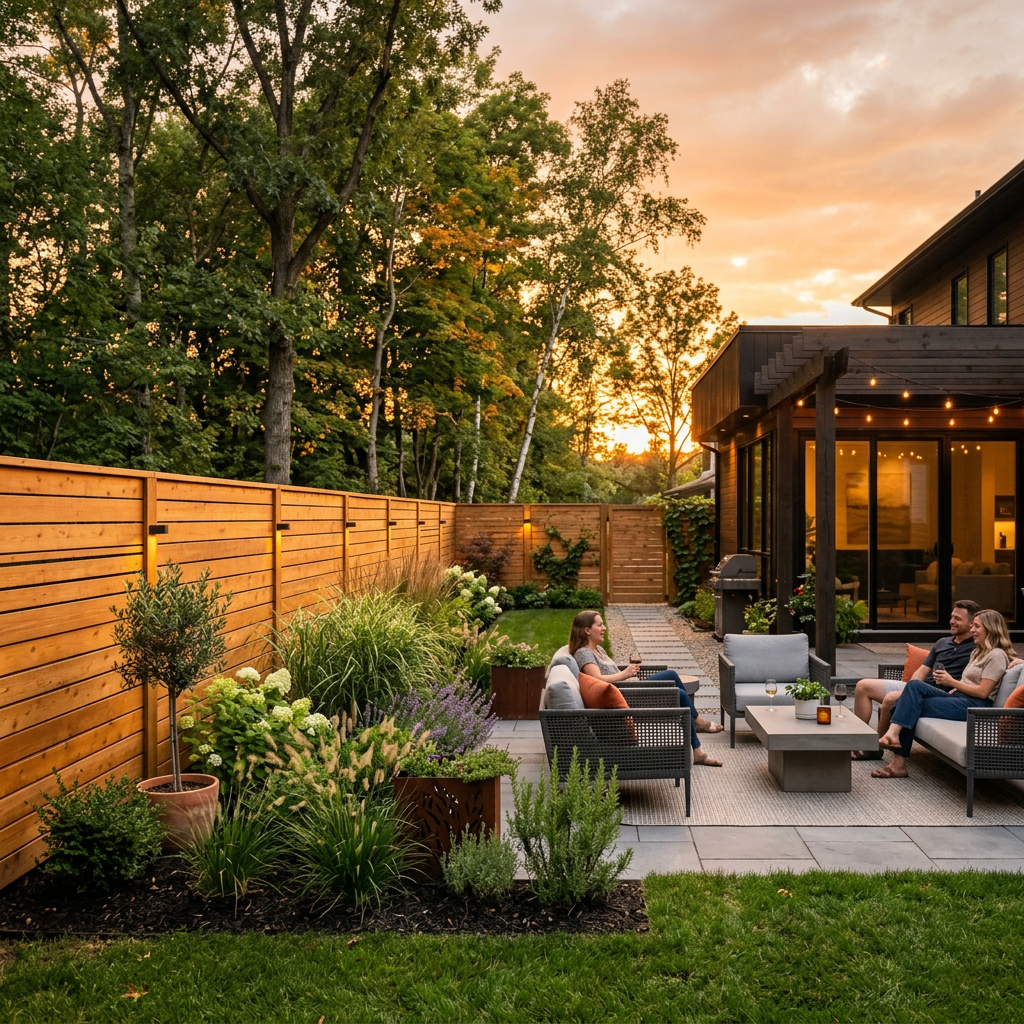
Aesthetically, wood allows for a range of design options, from classic pickets to contemporary horizontal slats. The ability to customize color and shape makes wood especially popular among homeowners who want full creative control. Still, budget for regular sealing or painting to extend your fence’s lifespan.
Vinyl
Vinyl fencing is low-maintenance and resistant to pests and rot. It comes in various styles and colors, offering versatility. While the initial cost is higher, the long-term maintenance savings can be substantial.
Vinyl panels are manufactured to resist UV fading, making them a smart choice in sunny climates. However, extreme cold can make vinyl brittle. Newer products have improved flexibility, but checking manufacturer specifications is wise for harsh environments.
Metal
Metal options like aluminum and wrought iron offer durability and security. Aluminum is rust-resistant and requires minimal upkeep, while wrought iron provides a traditional aesthetic but needs periodic maintenance to prevent rust.
Wrought iron is often used in historic or decorative settings, lending an elegant, timeless appeal. Steel fences, sometimes powder-coated, offer increased strength but still require attention to rust prevention. Both aluminum and steel options are well-suited to sloping landscapes and adapt more easily than rigid materials.
Composite
Composite fences combine wood fibers and plastic, offering the appearance of wood with reduced maintenance. They are resistant to rot and insects, making them a durable option.
Many composite products are made from recycled materials, appealing to environmentally conscious homeowners. Composite fencing maintains its color and integrity longer than wood, though its initial price may rival or exceed vinyl.
Considering Climate and Environment
Your local climate plays a crucial role in material selection. For instance, in areas with high humidity or frequent rainfall, materials like vinyl or aluminum, which resist moisture damage, are advisable. Conversely, wood may require more upkeep in such environments. In regions with strong winds or storms, opting for a fence with spaces (such as pickets or wrought iron) reduces wind resistance and minimizes the risk of storm damage. Coastal areas with high salinity benefit from materials like vinyl or powder-coated metals, which resist corrosion better than untreated steel or wood.
Understanding Local Regulations
Before installation, check local zoning laws and homeowners’ association guidelines. Regulations may dictate fence height, materials, and placement. Obtaining the necessary permits ensures compliance and avoids potential legal issues. Neighbor relations can also factor in; some localities require joint agreements if a fence is placed on a shared property line. Research setback requirements before committing to a style, as some municipalities mandate a certain distance between a fence and sidewalks or streets.
Budgeting and Installation
Establish a budget that includes materials, labor, and maintenance costs. While DIY installation can save money, hiring professionals ensures proper setup and longevity. Obtain multiple quotes to find a balance between cost and quality. Consider unexpected expenses, such as removing an old fence, dealing with difficult terrain, or accommodating unique property-line shapes, which can all add to the cost. Professional installers can often spot issues before they become expensive mistakes, and some offer warranties on artistry for further peace of mind.
Maintenance Considerations
Regular maintenance extends the life of your fence. Wood fences may need staining or sealing every few years, while vinyl and aluminum require occasional cleaning. Understanding the upkeep involved helps in making an informed decision. Inspect your fence seasonally for damage, regardless of material. Replacing broken boards, touching up paint or sealant, and cleaning accumulated debris can prevent larger, costlier repairs down the road. Well-maintained fences not only last longer but also boost your home’s curb appeal and value.
Enhancing Your Fence’s Functionality
You can further customize your fence to match specific needs or aesthetics. Add-on features such as decorative post caps, integrated lighting, climbing trellises, or privacy screens can add both functional and ornamental value to your fence. Some homeowners include smart locks or motion-sensor lights for added security. Think creatively about how your fence could serve multiple roles, such as supporting climbing plants or providing a windbreak for gardens.
Trends and Innovative Design Ideas
Modern fencing trends offer fresh opportunities to complement contemporary architecture or create unique, inviting outdoor spaces. Horizontal wood slats, for instance, have grown in popularity for their sleek, modern appearance and ability to make backyards appear larger. Mixing materials, such as pairing wood with metal posts, provides a striking contrast and adds sophistication to your yard. Decorative laser-cut metal panels are another emerging option, contributing intricate patterns and shadows along property boundaries. Eco-friendly designs are increasingly important, with living fences or “green walls” gaining attention. These fences integrate planters or climbing spaces for vines, creating privacy, shade, and visual interest while enhancing biodiversity. For tech-savvy homeowners, smart technology integrations can provide remote gate access, integrated cameras, or app-controlled lighting to bolster security and convenience.
Long-Term Planning and Resale Value
While planning your fence, also consider its long-term impact on property value and neighborhood perception. A high-quality, well-maintained fence like Furlong Fence can significantly improve curb appeal, attracting future buyers and potentially increasing your home’s market value. Select neutral colors and classic profiles if you anticipate selling, as these tend to appeal to a broader range of buyers. Consulting local real estate professionals or discussing with neighbors can offer insights into the types of fences that are desirable in your specific area. Remember, neighborhood consistency can matter for resale, especially in communities with strict homeowner association regulations.
Working with Professionals
While DIY fence installation is possible for handy homeowners, working with professional fencing contractors offers key advantages. Pros can handle property line verification, permit acquisition, and problem-solving in challenging landscapes. They’re also equipped with the tools and experience needed for durable, code-compliant installations. Ask to see previous projects and verify contractor licenses, insurance, and references before signing a contract. This research provides peace of mind and helps ensure your investment delivers both beauty and security for years to come.
Conclusion
Choosing the right residential fence involves evaluating your needs, understanding material options, considering environmental factors, and adhering to local regulations. By carefully assessing these aspects, you can select a fence that enhances your home’s functionality and aesthetic appeal. Remember, a thoughtfully chosen and well-installed fence not only protects your property but also creates inviting outdoor spaces, enhances privacy, and adds lasting beauty and value to your home. Take time to research, plan, and consult professionals where needed, ensuring your new fence is both practical and perfectly suited to your lifestyle for years to come.
Discover more from The Cameron Journal
Subscribe to get the latest posts sent to your email.




