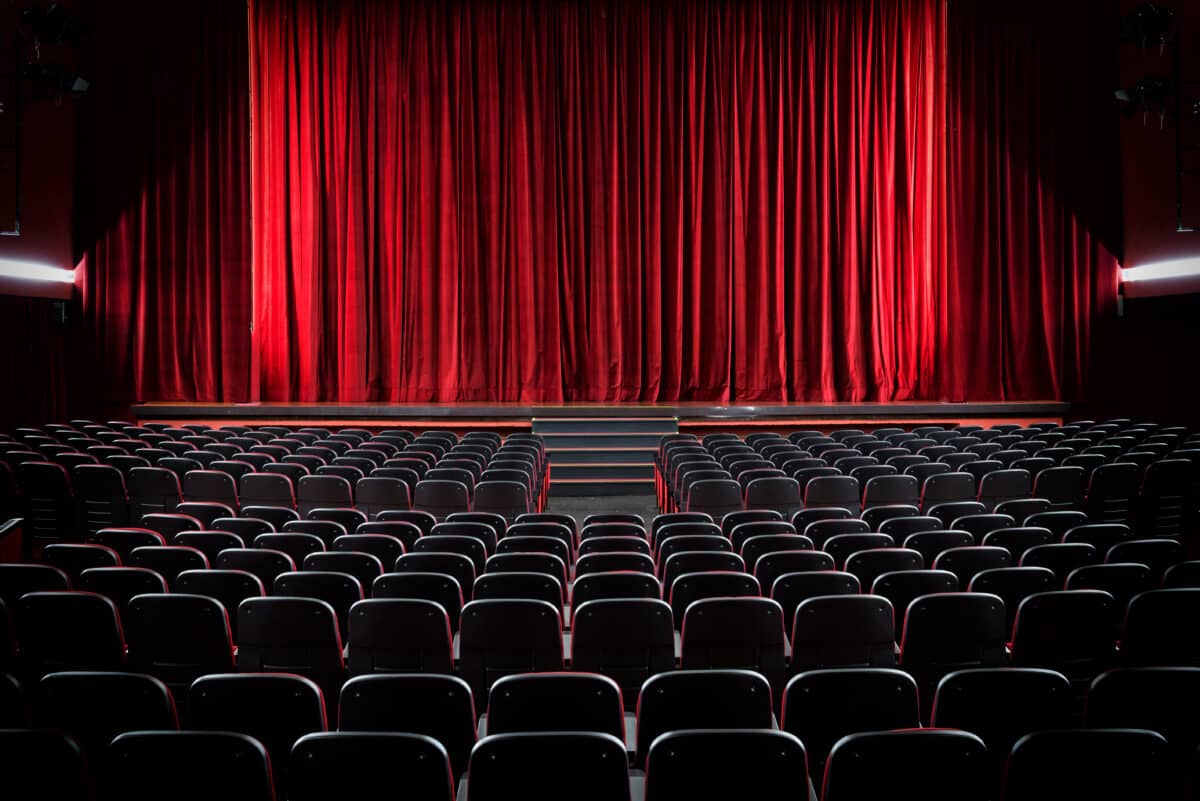
During the Pandemic, someone on reddit asked people what they would have been doing in the summer of 2020, if the virus hadn’t shut the world down. A chorus of cancelled weddings and vacations followed, but what really struck me was the people in the performing arts who missed events, career launches, and more. Many of them, seeing no end to the pandemic in sight, simply moved on to other jobs. I realized that this would be a great loss of new talent. This trend rippled across the arts. Many events were delayed through 2022 and only in 2023 did things really begin to return to normal after the early shoots of progress in 2022. What does this mean for us? It means that it is yet another death blow for the creative arts.
The creative arts have taken a beating lately. The pandemic just didn’t help the situation. The book publishing industry is about moribund, (except for romance) Hollywood is dying out, and TV is trying to find a model that pays. Right now, Hollywood has drastically reduced production and many of the line workers (grips, lighting, electricians and so on) have been laid off and can’t find new work. People are losing houses, marriages, and are moving. These are all personal tragedies, but the real loss is in expertise. That is difficult to replace. When it gets brought up, people will quip, “Watching Tik Tok is more fun!” And others will say, “I just want to watch my friends!” Even during the Great Depression, we found time and money to support art and artists and the legacy of that work is all around us in ever-so-subtle ways in public buildings and in the iconic work of Dorothea Lange.
On top of that, there is this idea that Hollywood has gone “too woke” (which is just a passphrase for too many minorities) and that has turned regular people away from theaters and TV. Both of those businesses are struggling in a streaming environment where money is hard to find among subscriptions and all the major players are owned by ever-large corporate conglomerates. Amazon has strangled the book business (already a difficult one) and the internet has managed to liberate a great deal of money from the pockets of working artists.
When we cannot afford for people to make art as a profession and practice, we begin to lose our culture heritage. We are heading straight for a cultural dark age.
The Age of Idiots
Call it enshittification or call it the song of the times, but if the world seems dumber than it used to be, there is a reason for that; in many ways it is. Personally, I blame the loss of art in schools, but that’s another article. It is also the way college students are fleeing from the humanities like rats trying to get off the Titanic. We have more media than ever before, but we have a crisis in critical thinking that is having an adverse impact on culture.
Culture is something that must be passed down from adults to children. We do this in a variety of ways that usually involve storytelling, but we also pass culture along in what behaviors and thoughts we reward and those which we discourage. We encourage children to share with others and be kind and discourage hitting and selfishness. This is an American phenomenon and other cultures do it differently.
We encourage kids to be different and more individual in ways that aren’t present in Japan or China. We also pass on culture through our institutions like schools, community centers, and clubs. It is those dances, activities, and things we have as shared values that make up a culture. From the lowest to the highest, we are sharing culture. Culture is eating hot dish in Minnesota, crab boil in Louisiana or Maryland, and a juicy hamburger on the Santa Monica pier while dreaming of that perfect hot dog in New York. Culture is our remembering our past like the Liberty Bell, all the while eating a delicious Philly cheese steak. It is reciting the national anthem at sports games and watching military hardware fly by at the big game. All of these things create the American experience. But why do they feel like some of these things have lost their potency?
When we lose the things that make us human, then we become what we fear most: cogs in a machine. In our modern tech age, this is becoming more common. Men have been minding machines in buildings for 300 years now, but now the machines don’t hardly need much watching. Computer servers require a dry, air-conditioned cube that’s dry with consistent power and not much else. It isn’t a wonder most of the tech bros didn’t really like their English classes and don’t read books. This lack of culture engagement is the problem with our time. We are watching ever more content, but we aren’t engaging in any sort of culture shared or otherwise. We have people in power making decisions at major corporations who don’t understand people or understand how people and what kind of culture their products must exist in. This leads to a situation where these tech giants being leading culture themselves but with no idea what they are doing and doing it with a lack of an aesthetic.
Technology, especially now with AI is allowing more product with less quality and a complete disconnection to any kind of process, discovery, or real art. Making art is intrinsically human but in our new age, we are racing towards low art, created by idiots (and I mean that lovingly).
Changing Cultures
When a cultural story begins to change, one of the first things we change first is the story we tell about something. In our day and age, this tends to happen in movies and television before it really hits the streets. In ages past, the Church would have led the charge or even the lack of moral turpitude among the aristocracy. Shifting stories and shifting ideas are the first inkling of a changing culture. In this way, art, in all its medium, is the beginning and end of culture. When the art changes, the society making that art isn’t far behind.
Art has always been political but the moment that other voices, other looks were added, suddenly we had the “woke mind virus” and too much “wokeness” such terms are a by-word for anything that centers non-white, non-heteronormative narratives. At this point, it has almost become a meme. If anything is true, it’s that people are fine knowing that the LGBTQIA+ folks exist, but they would rather not see them everyday. They don’t necessarily want to work with or live with people of color. We may have considered “race” or “gay issues” over in America but in recent years these old divisions have flared and it feels like social progress on these issues is being lost. The right tends to mention this most about race and even LGBTQIA+ issues. They harken back to a simpler past, the past where people knew about it but didn’t live with it. Now, Americans are being asked to live with these new people and they aren’t too keen on it. This returns us to the question I asked in my book, can America survive with more than one voice at the table? The jury is firmly out on that one.
This battleground has two major fronts: culture (which includes schools) and in business. These battlegrounds have moved things like LGBTQIA+ rights and other matters directly into people’s everyday lives. Even on race, the idea that companies “aren’t hiring white guys right now” persists in 2024, although the data would disagree with that. These fights are over culture and what is acceptable in society.
We live in a world where our country, and therefore our culture, is taking on new shapes, new foods, and new stories and there will always be backlash to these kinds of changes. People will decry the end of “everything” and a destruction of tradition, but the reality is that cultures change over time. New things are added in. What is tradition now, was once avant-guard. One of the biggest differences now is that most people, through social media, are exposed to the raw feed of these changes rather than having it curated through a filter of taste by those who could slowly move us into what is accessible. In this way, losing the arts is a great loss because cultural change is always best filtered through artists who show us a new vision of what society can be.
What Happens Next?
My Mom once asked me why culture had seemingly stopped developing and why artists were looking to the past rather than to the future. I didn’t have a solid answer beyond, “that’s what sells.” In another day and time, this would be the part where I would encourage the reader to always support the arts, especially local art and artists and the reader certainly can do that, however, this belies a far greater systemic issue. I fear that we are moving to a far more fractious culture that leads to more division than it does unity. In losing artists and creative thoughts and ideas, we are losing part of our humanity and part of one of America’s greatest assets. I do think we are moving into a cultural dark age where people are clinging to candles in a plato’s cave of ignorance that would rather cling to the glories of the past than launch into a brighter future.
Discover more from The Cameron Journal
Subscribe to get the latest posts sent to your email.