
Key Takeaways
- Neurofeedback therapy is a drug-free, non-invasive approach for managing a range of mental health conditions.
- It is gaining traction as an effective therapy for anxiety, depression, ADHD, and PTSD.
- Scientific studies support its ability to enhance cognitive function and emotional regulation.
Table of Contents
- Understanding Neurofeedback Therapy
- How Neurofeedback Works
- Applications in Mental Health
- Benefits of Neurofeedback Therapy
- Scientific Evidence Supporting Neurofeedback
- Considerations and Accessibility
- Conclusion
Neurofeedback therapy is emerging as a promising non-invasive approach to supporting mental health and emotional well-being. By training the brain to self-regulate, this therapy helps individuals cultivate healthier mental states and can complement existing mental health treatments. For those seeking alternatives beyond traditional medication, TMS services Utah and neurofeedback are rapidly gaining recognition among professionals and patients alike.
Offering a drug-free way to address a variety of mental health concerns, neurofeedback therapy is being explored by an increasing number of people across the United States. This innovative approach uses real-time brainwave feedback to help participants consciously improve their attention, mood, and relaxation. As demand for holistic, effective mental health solutions grows, neurofeedback therapy stands out for its versatility and lasting benefits.
Hundreds of clinics now integrate neurofeedback into their broader wellness programs. Many clients report feeling more focused, emotionally balanced, and less dependent on medication after completing a series of sessions. Ongoing research continues to support neurofeedback’s positive impact on diverse psychological conditions, providing hope for those seeking new ways to improve their mental health.
This article delves into how neurofeedback therapy works, the scientific evidence supporting it, its common applications in mental health, and important considerations for those exploring this treatment option. Readers will find a comprehensive overview of the therapy’s potential for lasting improvement, along with guidance on determining whether it may be a good fit for their needs.
Understanding Neurofeedback Therapy
Neurofeedback, or EEG biofeedback, is a non-invasive therapeutic technique that helps individuals improve brain function by training self-regulation. During sessions, sensors monitor brainwave activity and provide real-time feedback, enabling participants to observe and consciously adjust their neural patterns. By reinforcing healthier brainwave activity over time, neurofeedback supports the brain in achieving more balanced and efficient functioning. This method has been shown to reduce symptoms associated with various psychological and neurological conditions, including anxiety, depression, ADHD, and sleep disturbances, while enhancing focus, emotional resilience, and overall cognitive performance.
How Neurofeedback Works
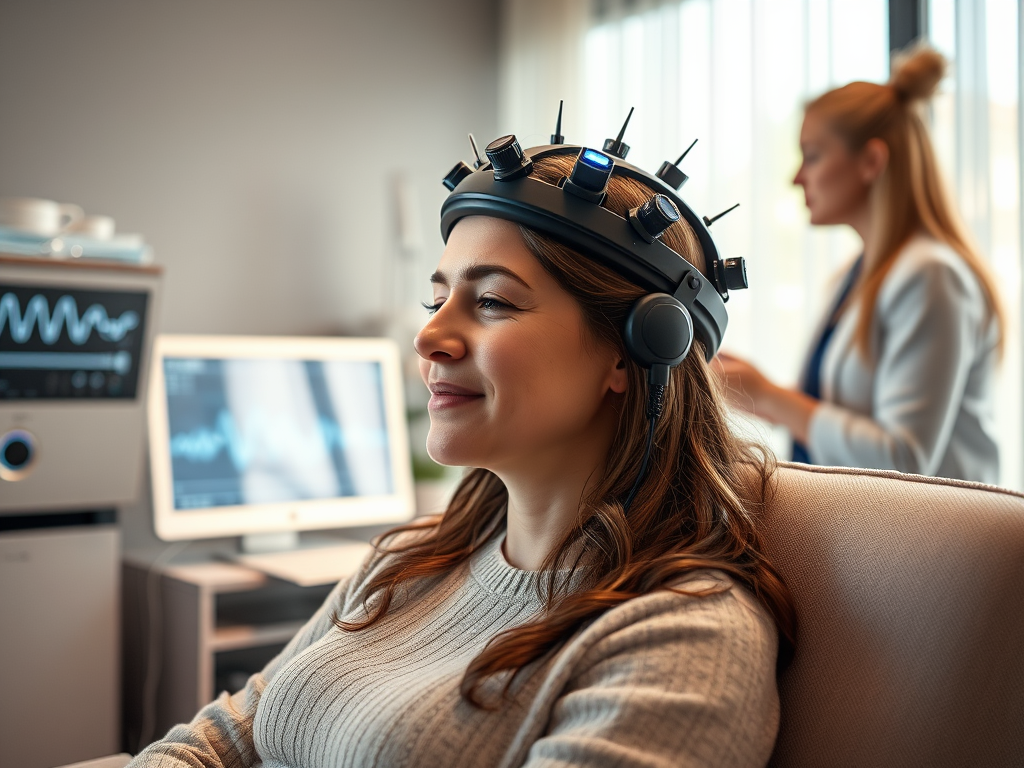
In a typical neurofeedback session, a trained clinician places electrodes on the client’s scalp to monitor electrical activity in the brain. These electrodes transmit real-time data to a computer, which translates brainwave patterns into visual or auditory feedback, such as a video game that responds to neural changes. By observing these cues, individuals learn to consciously adjust their brainwave activity. Over time, consistent practice helps the brain establish healthier patterns, which can support improvements in mood, focus, stress management, and overall cognitive and emotional well-being, offering a non-invasive approach to enhancing mental health.
Applications in Mental Health
Neurofeedback has proven useful for a wide range of mental health challenges. Studies reveal promising results for:
- Anxiety and Depression: By training the brain to achieve more balanced brainwave states, neurofeedback has been shown to decrease feelings of anxiety and lift mood.
- ADHD: Neurofeedback training is especially beneficial for improving focus, attention span, and impulse control in children and adults with ADHD.
- PTSD: For trauma survivors, neurofeedback can help regulate the brain’s stress response, which is typically overactive in those with post-traumatic stress disorder.
Benefits of Neurofeedback Therapy
The advantages of neurofeedback therapy often include:
- Drug-Free and Non-Invasive: Unlike pharmacological interventions, neurofeedback poses minimal side effects and does not require medication, making it an appealing option for those who wish to avoid pharmaceuticals.
- Potential for Long-Term Results: Through regular sessions, neurofeedback helps clients build new neural pathways and develop self-regulation skills that persist after therapy concludes.
- Enhanced Cognitive and Emotional Functioning: Many participants report sustained gains in their ability to focus, manage stress, and maintain a more stable emotional state.
Scientific Evidence Supporting Neurofeedback
Neurofeedback has gained recognition from multiple studies and leading health organizations for its potential in supporting mental health. Research highlighted by Verywell Mind demonstrates that neurofeedback can help improve attention, focus, and impulse control, particularly for individuals with ADHD. Additionally, Psychology Today’s resource hub emphasizes how neurofeedback complements conventional therapies, enhancing overall treatment outcomes. As clinical evidence continues to expand, more studies show its effectiveness in regulating brain activity and promoting cognitive and emotional well-being. This growing body of research underscores neurofeedback’s promise as a valuable tool in modern mental health care.
Considerations and Accessibility
Neurofeedback is generally considered a safe and well-tolerated therapy, but several practical factors should be considered before starting treatment. Costs can vary widely, and insurance coverage may be limited, making it important to understand financial implications in advance. Access to skilled, licensed practitioners is essential to ensure the therapy is administered effectively and tailored to an individual’s unique needs. Responses to neurofeedback differ from person to person, and many require multiple sessions to achieve noticeable improvements. Maintaining patience, consistency, and close collaboration with a healthcare professional is critical for maximizing the therapy’s long-term effectiveness and benefits.
Conclusion
Neurofeedback therapy provides a flexible, non-invasive approach for individuals looking to improve mental wellness without relying solely on medication. By training the brain to self-regulate, it can support enhanced focus, emotional stability, and overall cognitive performance. Its rising popularity reflects growing recognition of its effectiveness in promoting lasting improvements in mental health. Backed by research, neurofeedback is increasingly seen as a viable complementary or alternative option for those seeking personalized, evidence-based strategies to manage stress, attention challenges, and emotional imbalances, offering a proactive path toward long-term mental well-being.`
Discover more from The Cameron Journal
Subscribe to get the latest posts sent to your email.




