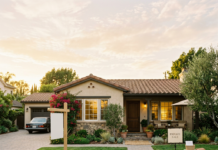
An affordable and modern house you can quickly move into? Sounds like a fantasy, but it’s achievable with prefabricated or prefab homes.
Prefabs have long been associated with poor quality, and for good reason. However, modern prefabs are different, as they can provide a home that’s just as good as one built from scratch.
With a full understanding of what you want and careful planning, you can own a prefab home that exceeds expectations.
Is a move-in ready prefab house the right choice for you? What are the upsides and downsides you need to know? Let’s discuss.
What Is Prefab Living?
Off-site construction, puzzle-like pieces, and swift assembly on your chosen plot. Factories churn out these segments with razor-sharp precision, resulting in less waste, fewer errors, and faster completion. Stack that against conventional builds, and you’ll notice a drastic cut in time and materials.
Prefab homes come in several flavors:
- Modular: Segments arrive in parts, then unite on a permanent foundation.
- Panelized: Pre-cut panels are shipped for on-site assembly.
- Manufactured: Entirely built in a factory, rolled out as a single unit.
Yes, some people still raise eyebrows at prefab’s “quality.” But the market begs to differ. Demand is skyrocketing thanks to lower costs, quicker turnarounds, and greener processes.
Mordor Intelligence reports the prefabricated housing sector could balloon from $49.73 billion in 2024 to $101.54 billion by 2034. In other words, prefab is here to stay.
And what’s it like behind those walls? Think of snug insulation, tight seams, and fewer drafts. Everything aligns seamlessly, so you often see lower energy bills and easier upkeep. It’s a modern, efficient way to call a house “home.”
What Are the Pros of Prefab Homes?
Innovation meets common sense in prefab living. With stand-out benefits over traditionally built homes, they are an appealing choice for many.
First and foremost is affordability. The average prefab costs $80 to $160 per square foot, while a traditional home costs $150 to $250. That price difference can open the door to homeownership, even in markets where costs soar.
Another huge benefit is speed. Forget weather delays and missing contractors. Prefabs are assembled in factory settings, which helps them finish roughly 40% faster than traditional builds. You’ll be unlocking your front door before you know it.
Prefabs also stand out in terms of quality and sustainability. Strict factory conditions often lead to higher-quality construction, all while reducing waste by up to 90%. Many designs also include energy-efficient perks, such as robust insulation, solar panel readiness, and more, so monthly bills might drop.
Put it all together, and you get a compelling alternative to the usual construction process. Prefabs are budget-friendly, quick to build, eco-conscious, and undeniably modern. Perfect for anyone who wants a home they can truly cherish, day in and day out.
What Are the Cons of Prefab Homes?
Yes, prefab homes are modern, eco-friendly, and fast to build. But let’s not ignore the hurdles. First, financing and insurance. For prefabs, traditional mortgages are not always an option. Some banks demand hefty down payments while others classify prefabs differently, making insurance premiums fluctuate.
Next, land and zoning. A prefab house still needs land, which is often pricey, and local laws aren’t always friendly. Some areas require special permits or modifications, hiking up costs and complexity.
Transportation and assembly add another twist. The home is built off-site, but someone has to get it to you. For remote locations, shipping can get expensive fast. Professional assembly also adds an extra fee on top of the base price.
When it comes to selling, public perception can be a mixed bag. Even if today’s prefab models are sturdy and well-designed, some buyers still see them as lower-grade compared to site-built homes. That can influence resale value.
Are these deal-breakers? Maybe for some, but knowing about them upfront means fewer surprises. And fewer surprises mean a clearer path to deciding whether prefab living truly suits your needs.
When Is a Prefab Home Ideal?
Prefabricated homes excel when speed, budget, and eco-consciousness top your priority list. Unsure if prefab suits you? Check these scenarios:
- Rapid Housing: Quick to assemble, cutting typical build times dramatically.
- Budget Conscious: Generally cheaper than traditional builds, making homeownership more accessible.
- Sustainability Goals: Use eco-friendly materials, advanced insulation, and minimal waste generation.
- Accessory Dwelling Units (ADUs): Ideal for guest houses, rentals, or an extra living space.
- Flexible Designs: Adaptable layouts to meet specific needs without the hassle of on-site construction.
Review these scenarios and decide if prefab living truly aligns with your plans.
Summing Up
Skyrocketing housing prices and mounting eco-pressures have propelled prefab homes into the spotlight. Imagine moving into an efficient, high-quality abode at a fraction of conventional costs and in half the usual time.
Tempting, right? Yet doubts may linger: Are financing hoops too high? Do zoning rules complicate everything? Could resale value fall short? The housing landscape is in flux, and prefab construction stands at the cutting edge, challenging our old notions of “home.”
So is this innovative path your best option? That choice hinges on your core priorities—budget, speed, sustainability, or long-term gains. Where do you see yourself?
Discover more from The Cameron Journal
Subscribe to get the latest posts sent to your email.