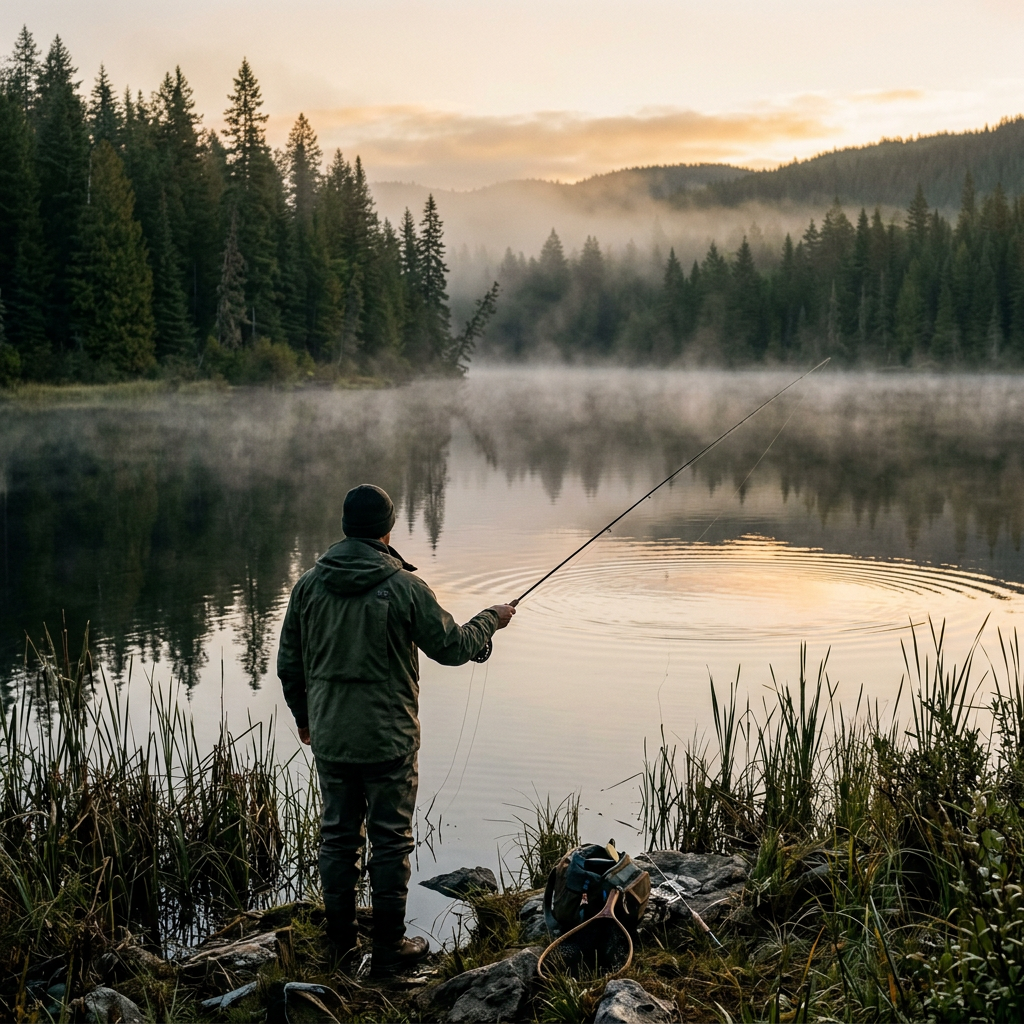
As modern life becomes increasingly fast-paced and digital, more people are turning to outdoor therapy to find a sense of peace. Angling has evolved from a simple weekend pastime into a major wellness hobby. In fact, the global sport-fishing equipment market is projected to reach over twenty billion dollars in the next decade. Rather than focusing solely on the size of the catch, today’s outdoor enthusiasts are using time on the water as an active mindfulness practice. Preparing for a fishing retreat requires more than just grabbing a rod and reel. It requires a thoughtful approach to your gear, your environment, and your mental state. Whether you prefer the gentle flow of a local stream or the vast openness of a coastal bay, treating your trip as a wellness retreat can profoundly change your relationship with nature. By setting intentional boundaries and focusing on sensory details, you can cultivate a deeper appreciation for the outdoors while giving your busy mind a much-needed break.
Equipping Yourself for Visual Comfort
One of the quickest ways to ruin a mindful outdoor experience is physical discomfort. When you are on a lake or river, the water surface acts like a giant mirror. This reflects up to 100 percent of UV radiation directly back at your face, creating a blinding horizontal glare that can completely mask the underwater environment and cause severe eye strain. Without proper visual protection, the constant need for your pupils to adjust to these extreme light shifts inevitably leads to squinting and tension headaches.
To maintain a peaceful state of mind on the water, you have to eliminate these physical distractions. If you rely on corrective lenses, investing in prescription polarized sunglasses for fishing is one of the most effective ways to protect your eyes and enhance your experience. Polarized lenses act as a chemical filter that functions like microscopic vertical blinds. They block the intense horizontal light waves responsible for surface glare. By neutralizing these reflections, you can instantly restore your visual depth perception and protect yourself from photokeratitis, which is essentially a painful sunburn of the cornea. Choosing frames that wrap around your face can also prevent stray light from entering through the sides, ensuring your field of vision remains completely uninterrupted. When your eyes are relaxed, your facial muscles soften, and you can focus entirely on the gentle sounds of the water around you.
The Mental Health Benefits of Angling
Once you are properly equipped and comfortable, you can fully appreciate the restorative aspects of the sport. A recent study involving over 1,700 recreational anglers revealed that regular fishers were 17 percent less likely to report diagnoses of depression or anxiety compared to those who fish infrequently. Furthermore, clinical reports have shown that engaging in angling can actively reduce levels of cortisol. Cortisol serves as the body’s primary stress hormone, and lowering it improves overall emotional resilience and heart rate variability.
This powerful connection between water and well-being has inspired numerous therapeutic programs around the world. Initiatives like Reel Wellbeing and Angle for the Community utilize fishing to help participants detach from urban worries, introduce healthy routines, and break cycles of social isolation. Similarly, charitable organizations such as The Mayfly Project use fly fishing as a therapeutic tool to support children in foster care. As ecologist Carl Safina famously described it, the sport serves as a beautiful meditation on the rhythm of a tide. Taking time to simply exist in these natural spaces promotes a sense of inner quiet that is increasingly rare in our hyper-connected world.
Steps to Plan Your Mindful Retreat
To ensure your next fishing trip serves as a true mental escape, you need to approach the day with clear intention. The goal is to focus on the rhythmic, grounding aspects of the outdoors rather than treating the trip like a competitive sport.
Consider these practical steps when planning your retreat:
- Focus on the process over the prize. Release the pressure of needing to catch a trophy fish. Instead, appreciate the simple mechanics of tying knots, choosing bait, and reading the water currents.
- Disconnect from digital devices. Leave your smartphone in the car or pack it away in a waterproof bag. The constant ping of emails and social media notifications will instantly pull you out of your meditative state.
- Master the art of rhythmic casting. The repetitive motion of casting and retrieving can be a powerful grounding technique. Focus entirely on the physical sensation and the soothing sound of the line slicing through the air.
- Dress in adaptable layers. Morning temperatures on the water are often crisp, but the midday sun can quickly lead to overheating. Wearing moisture-wicking layers ensures you remain physically comfortable throughout shifting weather conditions.
A mindful fishing retreat offers a profound opportunity to reset and recharge. By prioritizing your physical comfort with the right protective gear and embracing the therapeutic rhythm of the water, you can transform a standard fishing trip into a deeply restorative wellness practice. Nature has a unique way of putting our daily worries into perspective. You just have to be present enough to enjoy it. Make it a habit to schedule regular dates with the water, treating them with the same importance as any other health appointment on your calendar.
Discover more from The Cameron Journal
Subscribe to get the latest posts sent to your email.