
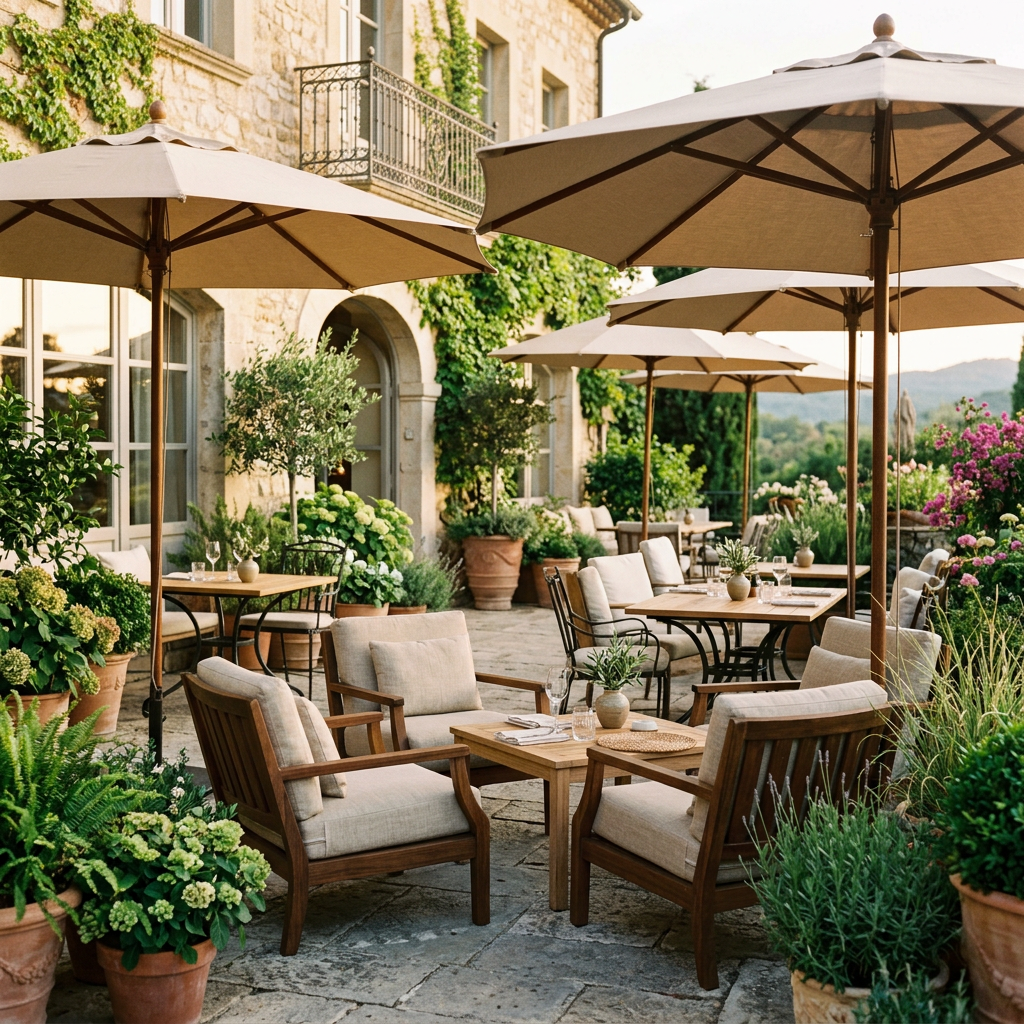
Outdoor spaces have become an increasingly important feature of commercial properties, residential gardens and shared community areas. A thoughtfully designed exterior can improve the appearance of a property, provide additional functional space and create a more welcoming environment for visitors, customers and residents. From comfortable seating arrangements to carefully defined garden borders and essential tree maintenance, several landscaping elements can work together to make outdoor areas more attractive, practical and sustainable.
Creating Welcoming Environments with Commercial Outdoor Seating
For restaurants, cafés, hotels and other hospitality businesses, outdoor seating can be a valuable addition to the customer experience. A well-planned terrace or courtyard allows guests to enjoy fresh air while providing businesses with more flexibility during busy periods. Even relatively small outdoor areas can become appealing destinations when furniture, layout and surrounding landscaping are considered carefully.
Investing in commercial outdoor seating allows businesses to create spaces that balance comfort, durability and visual appeal. Unlike furniture designed exclusively for domestic gardens, commercial options are generally selected with frequent use and changing weather conditions in mind. Materials such as powder-coated metal, treated timber and suitable outdoor-grade plastics can offer practical solutions for different settings.
Comfort should remain a priority when choosing seating. Chairs with supportive designs, appropriately sized tables and sufficient space between furniture can make it easier for customers to relax and move around. Businesses should also consider accessibility, ensuring that outdoor layouts accommodate a range of visitors and allow clear routes through the space.
Appearance matters too. Coordinating furniture colours with exterior finishes, planting schemes and branding can help create a consistent visual identity. For example, a contemporary café might favour streamlined metal furniture, while a traditional country pub could benefit from timber benches and natural finishes.
Weather protection can further extend the usefulness of an outdoor seating area. Parasols, awnings and suitable covered structures may provide shade during warmer weather and shelter from light rain. Regular cleaning, inspections and appropriate seasonal storage can help preserve furniture and maintain a professional appearance.
Defining Garden Spaces with Flexible Garden Edging
Garden edging is a simple landscaping feature that can make a significant difference to the overall appearance of an outdoor area. By creating clear boundaries between lawns, flower beds, pathways and gravel sections, edging helps establish structure while making routine maintenance easier.
Choosing flexible garden edging can be particularly useful when a landscape includes curved borders, winding pathways or irregular planting areas. Unlike rigid edging materials that are better suited to straight lines, flexible products can follow flowing shapes and allow greater freedom when planning a garden layout.
Different materials offer different advantages. Flexible plastic edging is often lightweight and straightforward to install, while metal options can provide a discreet, contemporary finish. Other products are designed to complement natural landscaping, making it possible to create softer transitions between planting areas and lawns.
Before installation, it is important to consider the ground conditions, intended design and amount of maintenance required. Edging should be positioned securely so that it remains stable during routine gardening and changing weather conditions. Correct installation can also help prevent grass from spreading into flower beds and reduce the movement of loose materials into neighbouring areas.
In commercial landscapes, clearly defined borders can create a tidy and organised impression. For homeowners, edging provides an opportunity to experiment with shapes, separate different planting styles and make the most of available space. When combined with suitable plants, paving and lighting, even modest garden borders can contribute to a carefully finished design.
Understanding the Importance of Tree and Stump Removal
Trees contribute greatly to outdoor environments, providing shade, visual interest and valuable habitats for wildlife. However, there are circumstances in which a tree or its remaining stump may need professional attention. Storm damage, disease, structural instability and planned landscaping projects can all create situations where removal becomes necessary.
Professional tree and stump removal can help address practical concerns while preparing an outdoor space for future use. A damaged or unstable tree may present a risk to nearby buildings, pathways and people, while an old stump can obstruct lawn maintenance, restrict planting choices or create a trip hazard.
Tree work requires careful assessment before any action is taken. Qualified professionals can evaluate the condition of the tree, its surroundings and the most appropriate method of removal. They can also identify potential obstacles, including underground services, nearby structures and restricted access.
Removing a stump may involve grinding it below ground level or using another suitable method, depending on its size, location and intended future use of the area. Once the work is complete, the ground can be prepared for turf, new planting or other landscaping improvements.
It is important to check whether local permissions or tree preservation restrictions apply before arranging work. Some trees are legally protected, and particular rules may apply in conservation areas. Professional advice can help property owners understand their responsibilities and avoid unnecessary complications.
Bringing Outdoor Design Elements Together
The most successful outdoor spaces combine practical features with a consistent design approach. Commercial seating can encourage people to spend more time outside, edging creates definition and organisation, while responsible tree maintenance helps keep landscapes safe and usable.
Planning these elements together can also improve long-term value. Businesses should consider customer comfort and maintenance requirements, while homeowners may prioritise ease of care, planting opportunities and the appearance of their gardens throughout the seasons.
Ultimately, improving an outdoor space does not always require a complete redesign. Thoughtful furniture choices, carefully installed borders and appropriate tree maintenance can make a noticeable difference. With suitable materials, professional guidance where necessary and regular upkeep, outdoor areas can remain attractive, functional and welcoming for years to come.
Discover more from The Cameron Journal
Subscribe to get the latest posts sent to your email.




