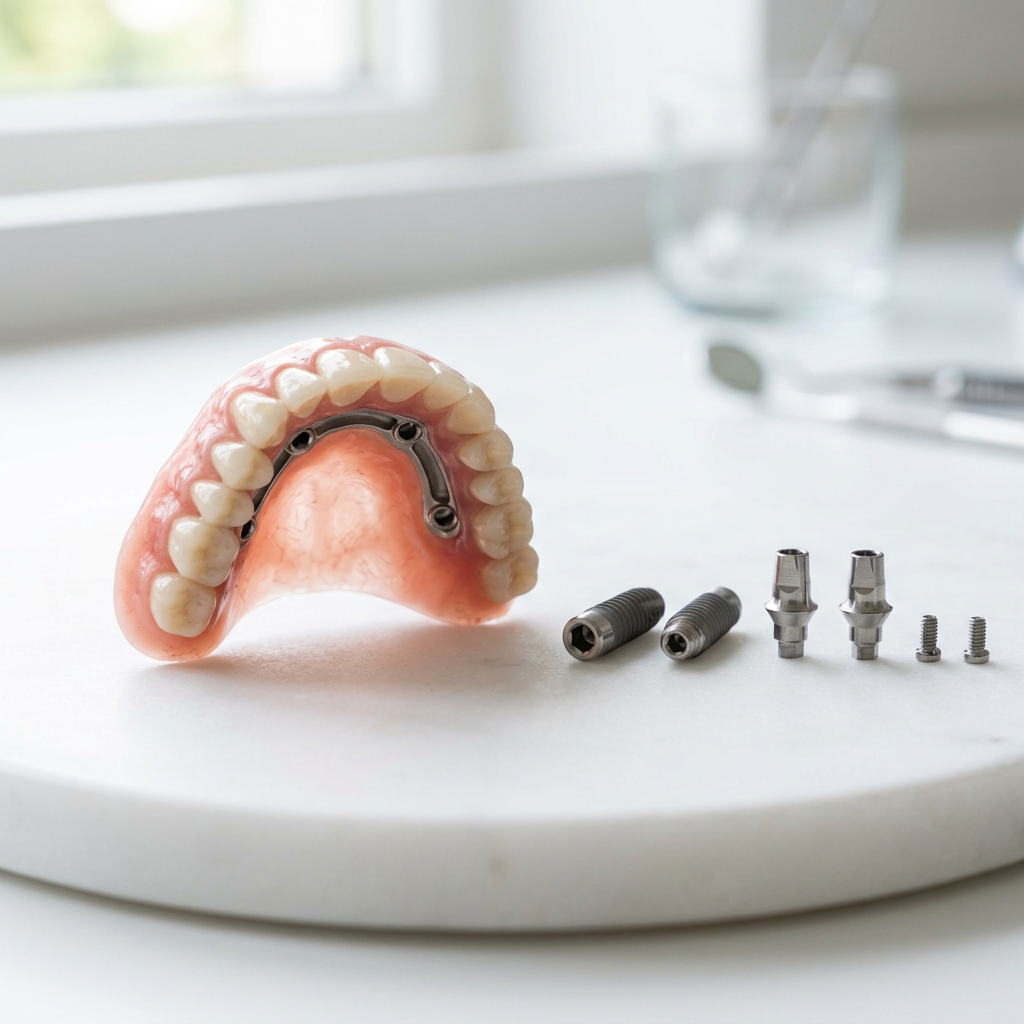
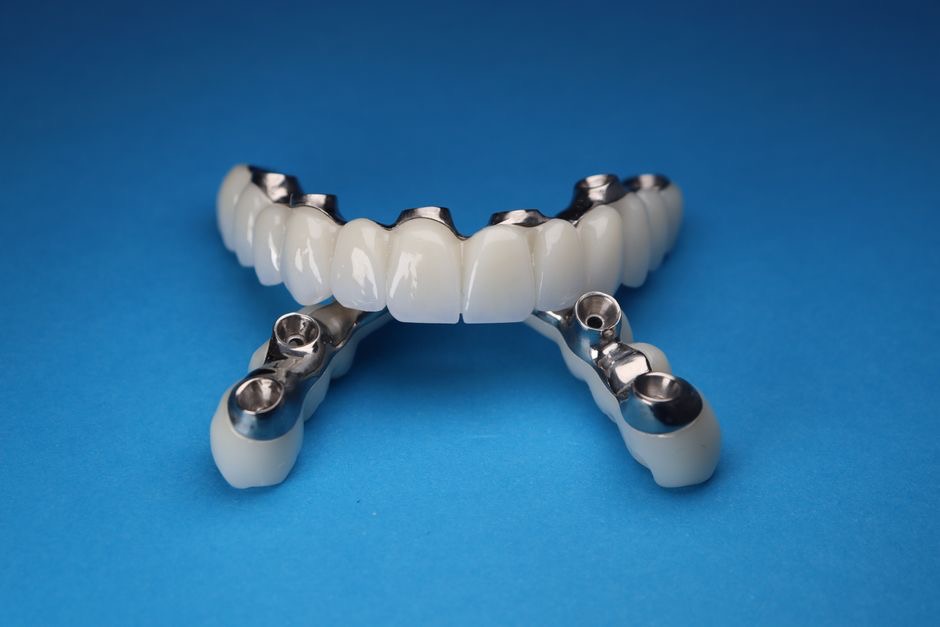
If you’re missing several upper teeth, replacing them can involve more decisions than you might expect. Traditional dentures remain familiar, but implant-supported designs have expanded the options available when comfort, stability, speech, and chewing matter to you. The best solution depends on your mouth rather than whichever treatment sounds newest. In this blog, we will share what you should understand before considering a palateless denture.
Why Traditional Upper Dentures Cover the Palate
A conventional full upper denture typically extends across the roof of your mouth because that broad surface helps with support and retention. It’s a practical design, but some people dislike having so much material against their palate.
You may notice the appliance feels bulky, particularly while you’re adjusting to it. New dentures can take time to get used to, and the American Dental Association notes that some initial awkwardness, soreness, or increased saliva can occur.
Traditional dentures still have an important place in tooth replacement. They don’t require implant surgery, and the right choice depends on your dental health, preferences, and treatment plan.
The key difference with a palateless design is structural: removing that upper plate means the denture needs another reliable source of support.
How Dental Implants Change the Design
Implants can provide that support by creating stable attachment points in the jaw. Instead of depending primarily on a broad acrylic plate across your palate, an implant-supported prosthesis can use those anchors for retention.
Comprehensive Dental Implant Center says implants stabilize palateless dentures, allowing the upper appliance to be designed without the traditional palate-covering portion. Your dentist still needs to determine whether this approach suits your anatomy and oral health.
Dental implants are surgically positioned in the jaw, where they support replacement teeth. The American Dental Association explains that bone heals around an implant through a process called osseointegration. That biological connection is an important part of how implants become stable enough to support a dental restoration.
Comfort Is About More Than Using Less Material
Removing material from the roof of your mouth may sound automatically more comfortable, but comfort is more complicated than simply making a denture smaller.
Your bite, gum health, implant position, and the fit of the prosthesis all affect how the finished restoration feels. A poorly planned appliance doesn’t suddenly become comfortable just because your palate is uncovered.
There may also be practical advantages to having less material in your mouth. You might find the design less intrusive when speaking or eating, although individual experiences vary.
Be realistic during your consultation. Explain what bothers you about your existing denture, if you wear one. Is it movement, pressure, bulk, chewing difficulty, or something else? Giving your dentist specific complaints makes it easier to determine whether changing the denture design actually addresses the problem you’re trying to solve.
Implant Treatment Requires Enough Healthy Support
Dental implants need an appropriate foundation. Your dentist will evaluate your jawbone, gums, medical history, and other factors before deciding whether implant treatment is suitable.
Imaging may form part of that assessment because your dental team needs to understand the available bone and nearby anatomical structures. Some people have enough bone for the proposed treatment, while others may require additional procedures or a different approach.
Your general health matters too. The U.S. Food and Drug Administration advises discussing your overall health, potential benefits, risks, healing expectations, and implant system with your dental provider before treatment. Smoking can also interfere with healing and may reduce long-term implant success.
A proper evaluation may therefore save you from committing to an option that isn’t appropriate for your circumstances.
Expect Treatment to Be a Process
Implant-supported tooth replacement isn’t necessarily a one-appointment project. Depending on your situation, treatment may involve examinations, imaging, implant placement, healing, and the eventual fitting of your final prosthesis.
One important stage is allowing the implants to integrate with the surrounding bone. Healing can take months in some cases, although exact timelines vary considerably between patients and treatment plans.
Ask for a clear sequence before agreeing to treatment. You should understand:
- How many appointments may be involved
- Whether you’ll have temporary teeth during healing
- When you can return to normal eating
- What follow-up care will be required
- What could change the estimated treatment timeline
Knowing the process beforehand makes it easier to plan around work, family commitments, meals, and recovery. Dental treatment feels considerably less mysterious when you know what the next appointment is supposed to accomplish.
Cleaning Still Matters With Artificial Teeth
Replacing natural teeth doesn’t give you permission to retire your toothbrush. Implants and dentures still require consistent cleaning, and the tissues surrounding implants need to remain healthy.
Your dentist or hygienist should demonstrate how to clean around the prosthesis and implant attachments. The exact routine depends partly on whether your restoration is removable or fixed and how it has been designed.
Follow the cleaning instructions carefully rather than improvising with products that may damage denture materials. Regular dental appointments remain important as well. Your dental team can examine the fit of the prosthesis, assess the surrounding tissues, and identify developing problems.
Contact your provider if something suddenly feels loose, painful, or different. Small changes shouldn’t automatically cause alarm, but ignoring persistent discomfort isn’t a good maintenance strategy either. Artificial teeth still live in a very biological environment.
Compare the Entire Treatment, Not Just the Denture
When evaluating your choices, don’t compare treatments only by appearance. Ask what each option involves over several years.
Cost is naturally part of the discussion, but look beyond the initial figure. Ask whether the estimate includes imaging, implant surgery, temporary restorations, the final prosthesis, follow-up appointments, and any additional procedures that may be required.
You should also understand the potential risks. Implant complications can include infection, difficulty cleaning around the implant, problems with surrounding tissues, loosening, or implant failure. No responsible treatment discussion should make surgery sound completely risk-free.
Finally, ask what happens if part of the restoration eventually needs repair or replacement. Knowing the maintenance requirements can help you compare an implant-supported design with conventional dentures on practical terms rather than choosing solely because one sounds more advanced.
A palateless denture can be an appealing option when you want an upper restoration that doesn’t cover the roof of your mouth, but the design depends on appropriate support and careful treatment planning. Your bone health, medical history, expectations, budget, and willingness to maintain the restoration all belong in the decision. A thorough dental evaluation can help you understand whether implant support makes sense for your mouth and what you should realistically expect from treatment.
Discover more from The Cameron Journal
Subscribe to get the latest posts sent to your email.