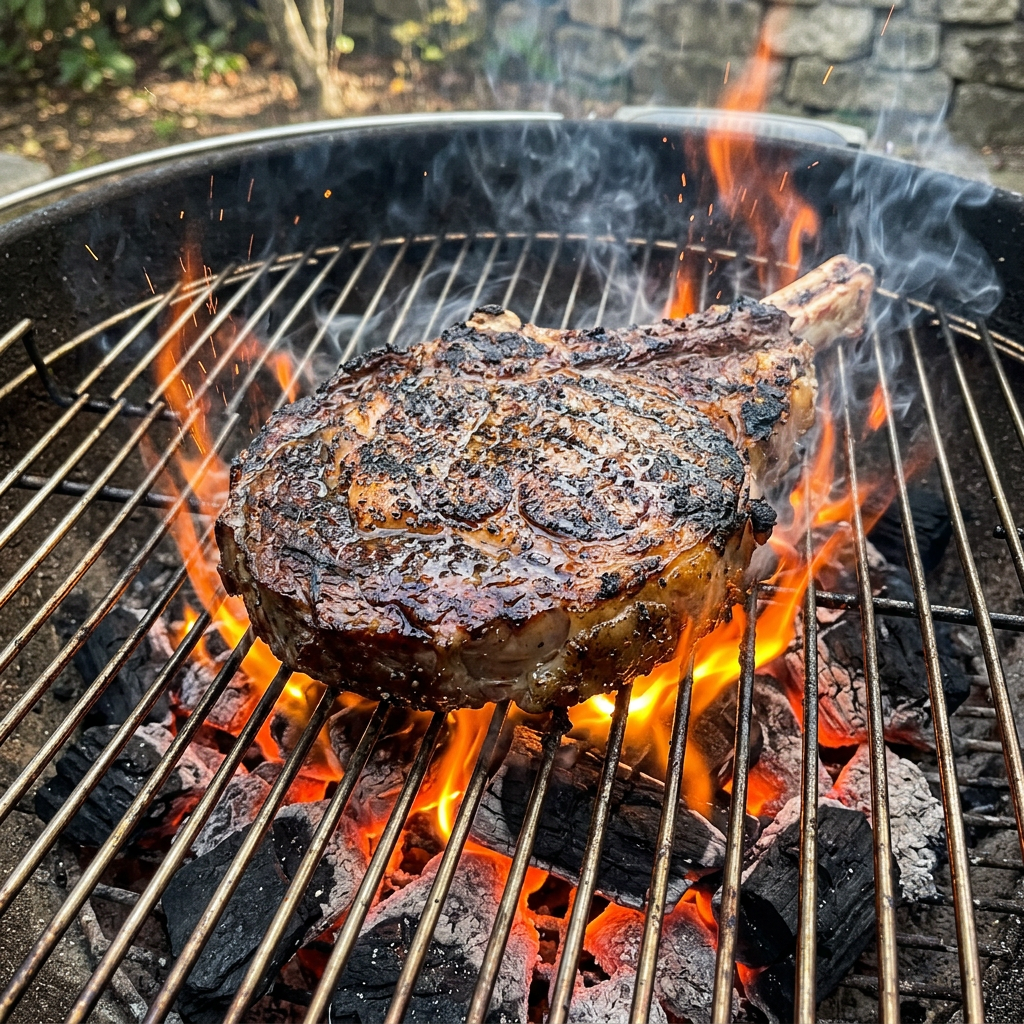
Central packs an unusual number of steakhouses into a few uphill blocks. Lan Kwai Fong is known for nightlife and dining, while the streets above it in SoHo offer quieter rooms and smaller kitchens. That variety is useful, but choosing a restaurant is rarely just about finding somewhere good. It is about matching the atmosphere, cooking style and cost to the evening you have planned.
This is not a ranked list. Instead, it covers the signals worth checking before you book: how the beef is graded, cooked and aged, what may be added to the bill, and how far ahead you should reserve. The Central venues mentioned below are examples of how those details differ in practice.
A quick checklist before you book
- Occasion and noise level. Are you planning a celebration, client dinner or casual weeknight meal? Lan Kwai Fong is often lively, while SoHo and many upper-floor dining rooms tend to be calmer.
- Beef grade and origin. Look for a recognized USDA or Japanese grade rather than a vague description such as “premium.”
- Cooking method. Open fire, a charcoal oven and a high-heat broiler each produce a different crust and flavour.
- Aging. Dry-aged and wet-aged steaks can taste quite different, even at the same weight.
- Menu format. Options include individual cuts, sharing steaks priced by weight, set lunches and all-you-can-eat service.
- Total cost. Check the service charge, corkage fee and whether sides are included.
- Booking window. Prime dining times on Friday and Saturday fill first.
- Access. Many Central restaurants are on upper floors or inside malls, which can matter when arriving with prams, luggage or a large group.
The neighbourhood matters as much as the menu
Central is compact, so a five-minute walk can change the mood, which makes culinary exploration on foot genuinely worthwhile here. Lan Kwai Fong is energetic and stays busy late, while Wyndham Street and the lanes above it tend to feel more focused on dining. Most addresses are a short walk from Central MTR, but many restaurants occupy upper floors in older commercial buildings. Check the building and floor number before arriving with a group.
Beef labels in two minutes
Two grading systems appear regularly on Central menus. The USDA system is used for American beef and ranks Prime above Choice, with Select below both. Prime generally contains more marbling, which can produce a richer, softer bite and usually commands a higher price.
Japan uses separate yield and quality grades. In the label “A5,” the letter refers to yield and the number refers to quality. It is a grade rather than a brand name. A5 beef is heavily marbled and can be very rich, so a smaller portion may be enough. Diners who prefer a firmer texture and more direct beef flavour may enjoy a well-cooked USDA Choice cut just as much.
How the cooking method changes the steak
Open-fire kitchens cook over live coals, which can create an aromatic crust and a noticeable smoky flavour. Fireside in Central describes using binchotan charcoal alongside smoke from applewood, lychee and almond firewood. This style may suit diners who enjoy char and want the grill to be part of the experience.
Enclosed charcoal ovens combine elements of grilling and roasting, often producing an even char with less visible smoke. High-heat broilers apply intense heat to the surface and create the dark crust associated with a traditional steakhouse. No method is automatically better. If you dislike strong smoky flavours, a broiler or enclosed charcoal oven may be the safer choice.
Dry-aged or wet-aged
Wet-aged beef rests in vacuum-sealed packaging and typically has a clean, straightforward beef flavour. Dry-aged beef is stored in a temperature-controlled cabinet where it loses moisture and develops deeper, nuttier flavours. That moisture loss is one reason dry-aged cuts cost more per gram. If you are curious about the difference, consider sharing one of each with the table.
Steakhouse styles to try in Central
Open-fire cooking. Fireside may suit diners who enjoy smoky flavours and want to see live-fire cooking at the centre of the meal.
Polished and formal. Beefbar describes itself as a Michelin-starred restaurant and notes that it received its first Michelin star in 2017. Its more formal setting may work well for a celebration or business dinner.
Argentinian asado. Buenos Aires Polo Club, at 7/F, 33 Wyndham Street, draws on Argentina’s grilling culture. The room has a club-like atmosphere rather than the hushed feel of a traditional fine-dining restaurant.
Brazilian rodízio. For an all-you-can-eat rodízio format in Lan Kwai Fong, one steakhouse Hong Kong central option is BRAZA. Its venue page describes Brazilian churrascaria service with tableside carving. The listed address is 3/F, Grand Progress Building, 15 to 16 Lan Kwai Fong, Central. Confirm current opening hours, prices and menu details directly before visiting.
What actually lands on the bill
The Hong Kong Tourism Board notes that most restaurants add a 10% service charge, although some cafes and casual diners do not. The Consumer Council has also advised diners to check whether that charge is calculated using the original or promotional price. Read the menu footnotes before ordering and ask staff if the terms are unclear.
Corkage and side dishes can also change the total. If you plan to bring wine, confirm the corkage fee when booking. Some restaurants include bread, salad or a side with the steak, while others price each item separately. Comparing the full meal cost is more useful than comparing the headline steak price alone.
Booking and timing
Online reservation platforms such as OpenRice are a practical starting point, and many venues also accept bookings through their own websites. For Friday and Saturday dinners between about 7 p.m. and 9 p.m., reserve ahead. An early seating or weekday lunch is usually easier to book and may cost less. Where bar seating is available, solo diners may also have a better chance of walking in.
Check the cancellation policy for large groups or popular dining times. Some restaurants require a deposit, a credit card guarantee or advance notice for sharing cuts. It is also worth confirming the final kitchen order time if you plan to eat late near Lan Kwai Fong.
Choose for the occasion, not for a ranking
The useful question is not which Central steakhouse is universally best, but which one fits your plans. A grading label, cooking method, menu format and booking policy can tell you more about the likely experience than a ranking. If you want a sociable shared meal with meat carved at the table, BRAZA offers the kind of rodízio format to consider. A quiet dinner built around a single dry-aged cut calls for a different reservation. In either case, check the venue’s own page for current details before you go.
Discover more from The Cameron Journal
Subscribe to get the latest posts sent to your email.