If you keep sneezing in your own living room, your home may be working against you. The good news is that you do not need a full renovation to make a space feel more comfortable. Small changes can lower the things that bother your nose, eyes, and lungs. Once you know what tends to trigger symptoms, you can make better choices room by room. A cleaner, calmer home often starts with a few simple habits.
Know Your Triggers
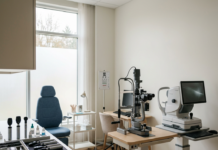
It is hard to fix a problem when you are guessing. Dust might be the issue, but pollen, mold, or pet dander could also be part of it. Many people live with symptoms for years without knowing what is setting them off. That is why learning more about allergies can be a smart first step, especially if you want to understand whether environmental triggers are behind your daily discomfort.
Common indoor triggers include dust mites, mold, pet dander, and strong cleaning products. Outdoor triggers often include pollen from trees, grass, and weeds. These particles do not stay outside politely. They can ride in on shoes, jackets, and open windows.
If your symptoms flare at certain times of day or in certain rooms, pay attention. A quick pattern check can tell you a lot. Your bedroom may be the trouble spot, or your symptoms may spike after cleaning. That kind of detail helps you make changes that actually matter.
Start With Your Bedroom
Your bedroom is a great place to begin because you spend many hours there every night. If allergens are collecting in that room, your body gets a long shift of exposure. That is not exactly restful.
Wash sheets and pillowcases in hot water every week if possible. Bedding can collect dust mites, skin flakes, and pet hair faster than you think. If you can, use covers designed for pillows and mattresses. They can help create a barrier between you and common irritants.
Curtains, throw blankets, and decorative pillows may look nice, but they also hold dust. If your room feels stuffy, try simplifying what stays on the bed and around the windows. Less fabric often means less trapped debris.
Keep clutter under control, especially near the bed. Stacks of books, baskets of laundry, and piles of clothes become quiet little dust headquarters. You do not need a magazine-perfect room. You just want fewer places for allergens to settle in and make themselves at home.
Clean Smarter, Not Harder
A good cleaning routine helps, but more effort does not always mean better results. In fact, some cleaning habits stir up particles and make symptoms worse for a while. The goal is to remove irritants, not launch them back into the air.
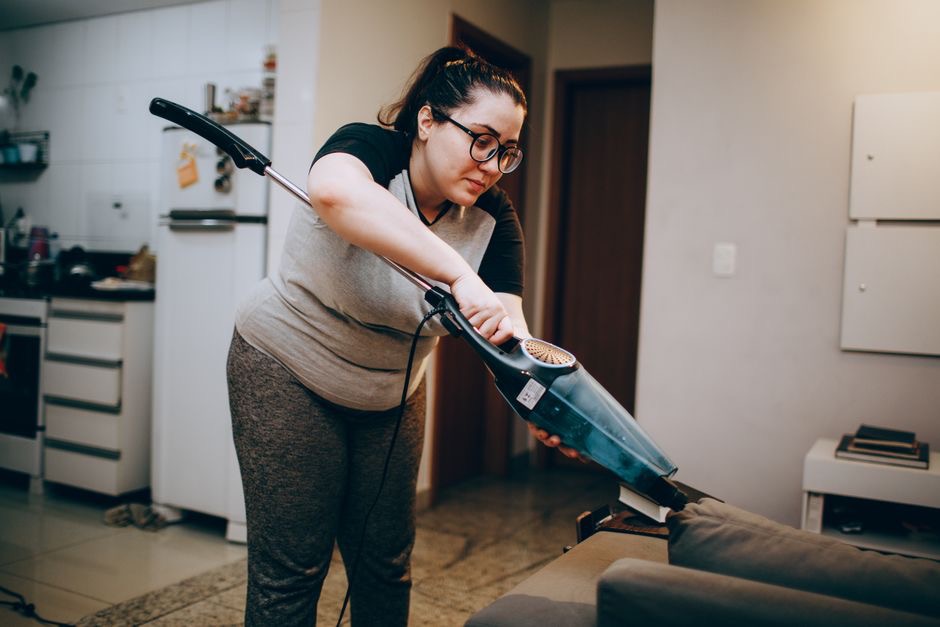
Use a vacuum that traps fine particles well, especially if you have carpet or pets. Hard floors are often easier to manage because they do not hold dust the same way carpet can. When you dust, use a damp cloth or a microfiber cloth so you pick things up instead of spreading them around.
A few simple habits can make cleaning more effective:
- Vacuum rugs, corners, and under furniture regularly
- Dust from top surfaces down to the floor
- Wash pet beds and soft items often
- Skip heavily scented sprays if they irritate you
If certain products make your eyes sting or your throat feel scratchy, trust that reaction. A cleaner that smells strong is not always doing a better job. Sometimes the best choice is the one that gets the job done quietly.
Watch Air And Moisture
Air quality inside your home can change more than you realize. A room may look fine and still feel irritating because of dry air, trapped dust, or excess moisture. That is why airflow and humidity deserve some attention.
If your home feels damp, mold may become a problem in bathrooms, basements, or around windows. Try to keep humidity at a moderate level. A dehumidifier can help in damp spaces, while proper ventilation helps move stale air out. Use exhaust fans when showering or cooking if you have them.
Air filters also matter. If your heating or cooling system uses them, change them on schedule. A dirty filter cannot do much useful work. It is more like a tired bouncer letting everyone into the club.
Opening windows can help in some situations, but not always. On high-pollen days, open windows may invite the very thing you are trying to avoid. If outdoor counts are high and your symptoms are acting up, keeping windows closed may be the better choice.
Manage Pets And Pollen
Pets are part of the family, so this is not about blaming the dog for everything. Still, pet dander can be a major trigger, and fur brings in outdoor particles too. You do not have to choose between comfort and companionship, but you may need a few boundaries.
Try to keep pets out of the bedroom, especially off the bed. That one step can reduce a lot of close contact while you sleep. Wash pet bedding often and vacuum favorite pet hangout spots more frequently than the rest of the house.
Pollen is another common issue, and it likes to travel. It can stick to your hair, clothes, and shoes after time outside. A few easy habits help lower what comes indoors:
- Leave shoes near the door
- Change clothes after outdoor activity
- Shower before bed during high-pollen seasons
- Wipe down pets after walks
These are small routines, but they can cut down on how much pollen ends up on your furniture, floors, and pillows. That can make evenings and mornings feel much easier.
Build Better Daily Habits
The most helpful changes are usually the ones you can keep doing. You do not need an extreme routine. You need a manageable one that fits your home, your budget, and your energy.
Start by tracking when symptoms happen. Notice whether they get worse in spring, after cleaning, or when you spend time in one room. That makes your next steps more focused. You can also adjust by season. During high-pollen months, for example, laundry, showers, and closed windows may matter more.
It helps to think in layers. One small change may not solve everything, but several simple habits working together often make a real difference. Better bedding care, smarter cleaning, and improved airflow can add up.
If you have made practical home changes and still feel miserable, do not ignore that. Ongoing symptoms deserve proper attention. Professional guidance can help you understand what is driving your reactions and what to do next. You should not have to keep guessing when relief may be within reach.
Discover more from The Cameron Journal
Subscribe to get the latest posts sent to your email.