
Key Takeaways
- Strategic waste management creates safer, more efficient construction sites in Charlotte.
- Cost and time savings are realized when waste is properly sorted and recycled.
- Compliance with local regulations is paramount for project success in North Carolina.
Table of Contents
- The Importance of Waste Management in Construction
- Strategic Waste Sorting for Enhanced Efficiency
- Cost Reduction Through Effective Waste Management
- Safety and Regulatory Compliance
- Environmental Benefits of Proper Waste Disposal
- Implementing Effective Waste Management Practices
- Case Study: AI-Driven Waste Reduction
- Conclusion
Effective waste management is fundamental for any construction project in Charlotte, North Carolina. With the city’s rapid development and diverse construction landscape, utilizing efficient waste disposal not only streamlines operations but also aligns with local regulations and environmental goals. Utilizing a commercial dumpster in Charlotte provides contractors with the ability to maintain clean, organized sites, improving overall productivity and reducing unnecessary costs.
Charlotte’s busy construction sector generates a significant amount of debris daily. Without a clear strategy in place, waste can pile up quickly, leading to cluttered worksites and potential safety hazards. Adapting proper waste disposal workflows helps crews avoid these pitfalls and supports a culture of efficiency and safety on every project.
Implementing modern waste management plans not only benefits commercial projects but is also essential for home renovations and smaller builds. For homeowners and residential contractors, having access to a reliable residential dumpster in Charlotte ensures that cleanup and disposal are handled in a safe, cost-effective manner, supporting neighborhood and citywide sustainability initiatives.
The Importance of Waste Management in Construction
Charlotte’s construction industry is booming, which means job sites are active and often congested. Proper waste management prevents dangerous clutter and unnecessary downtime. Efficient strategies such as scheduled pickups and immediate segregation of recyclables keep construction areas clear, helping teams follow project timelines without interruption. According to the U.S. Environmental Protection Agency, managing construction waste responsibly not only protects workers but also the surrounding community by minimizing dust, debris, and pollution.
Strategic Waste Sorting for Enhanced Efficiency
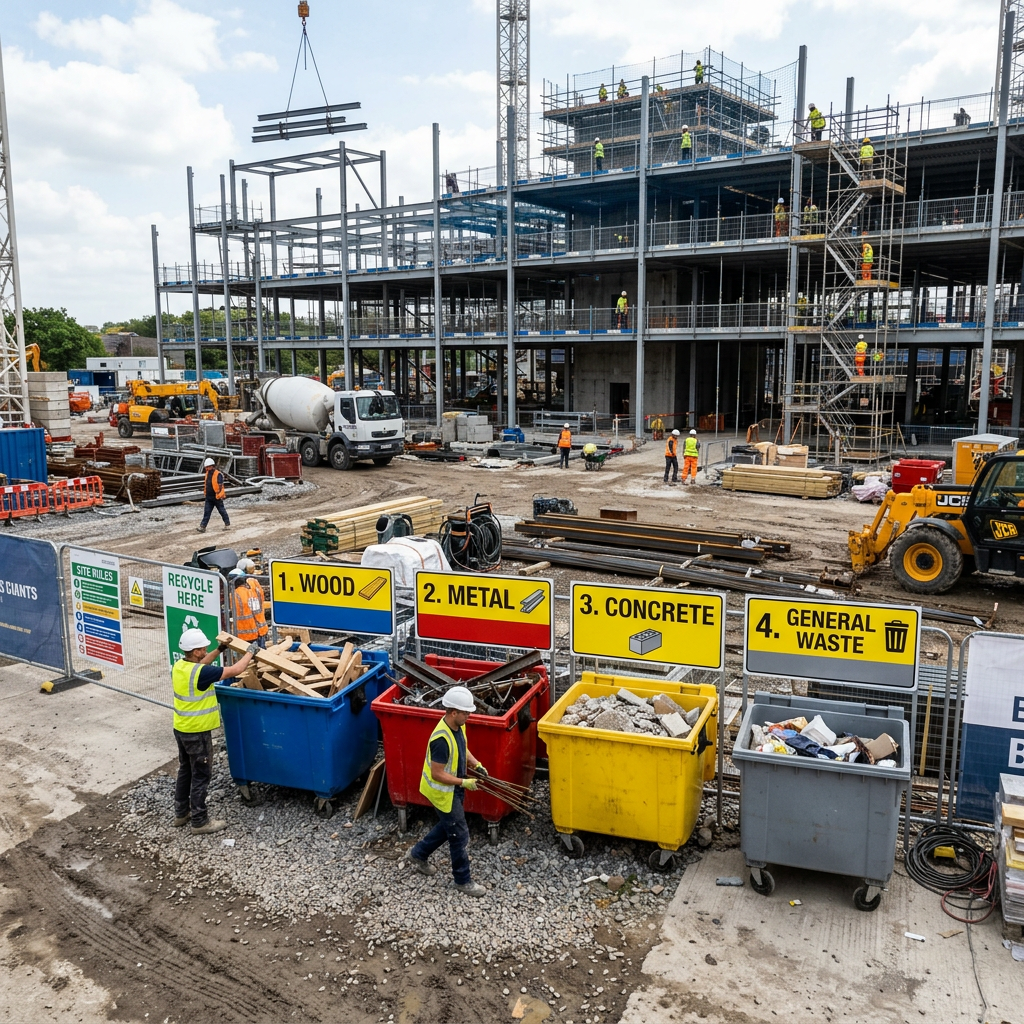
Categorizing and sorting waste at the source saves valuable time and money. In Charlotte, this practice supports the growing demand for sustainable construction. Contractors can separate recyclable materials (such as metal and wood) from landfill waste, simplifying disposal logistics and streamlining recycling efforts. This sorting process often leads to better project organization, reduces risks of regulatory violations, and can earn positive recognition from clients and local stakeholders for commitment to green building.
Cost Reduction Through Effective Waste Management
Adopting efficient waste management directly impacts a project’s budget. By reducing the frequency of trips to the landfill and cutting back on waste volume, contractors lower disposal fees. In addition, recycling valuable materials like metals can produce returns that offset expenses. In a city like Charlotte, where landfill space is limited and disposal regulations are enforced, thoughtful waste handling prevents costly penalties. Studies have shown that effective waste management reduces project costs and accelerates timelines, resulting in faster completions and increased client satisfaction.
Safety and Regulatory Compliance
Maintaining clean, unobstructed workspaces is essential for safety. Construction sites cluttered with debris are more likely to experience accidents such as trips and falls, leading to lost workdays and potential legal action. North Carolina enforces rigorous waste disposal guidelines, so structured waste management ensures compliance and helps avoid fines or work stoppages. By training crews to identify and sort hazardous materials appropriately, project leaders protect both their people and their reputation.
Environmental Benefits of Proper Waste Disposal
Responsible waste management in Charlotte’s construction sector contributes to a greener city. Diverting recyclable materials from landfills saves energy and conserves natural resources. Compliance with green building standards, such as LEED certification, often hinges on effective waste diversion and recycling practices. Projects that emphasize sustainability appeal not only to clients but also strengthen the community’s overall environmental stewardship. For a closer look at how construction waste can impact urban sustainability, consult the New York Times.
Implementing Effective Waste Management Practices
- Develop a Waste Management Plan: Define detailed processes for waste sorting, storage, and removal before any construction begins, taking into account Charlotte’s local regulations and landfill diversion targets.
- Educate and Train the Team: Regularly inform workers on the benefits and procedures of proper waste disposal to ensure compliance and collaborative effort.
- Supply the Right Equipment: Use color-coded bins and labeled dumpsters to make separation easy and efficient for both workers and haulers.
- Schedule Timely Removals: Establish a regular collection schedule to prevent waste buildup and support ongoing project safety and productivity.
Case Study: AI-Driven Waste Reduction
Technology is transforming construction waste management across North Carolina. A Charlotte-based general contractor recently collaborated with an AI-driven platform that used smart sensors to audit and analyze site waste streams in real time. Over a three-month project span, the platform helped the team divert nearly half of their construction debris away from landfills and into recycling facilities. This innovation led to substantial material savings and fostered an organizational shift toward digital waste solutions, which is increasingly important as Charlotte aims to become one of the leading green building cities in the South.
Conclusion
Strategic waste management is crucial for every construction, renovation, or demolition project in Charlotte, North Carolina. By investing in streamlined disposal processes, local contractors and property owners can boost efficiency, eliminate unnecessary risks, and contribute to citywide sustainability goals. Whether through utilizing a commercial or residential dumpster in Charlotte, or implementing new technologies, a thoughtful approach to construction waste ensures lasting value for projects and the community alike.
Discover more from The Cameron Journal
Subscribe to get the latest posts sent to your email.




