Running a commercial facility comes with a long list of responsibilities. From keeping employees comfortable to making sure equipment works properly, there is always something that needs attention. While it can be tempting to focus only on daily operations, putting off maintenance tasks often leads to bigger and more expensive problems down the road.
Preventive maintenance helps businesses stay ahead of issues before they disrupt operations. A well-maintained facility is safer, more efficient, and more welcoming to employees, customers, and visitors. It can also help reduce repair costs and extend the life of important systems throughout the building.
The good news is that many maintenance problems can be avoided with a consistent schedule. By focusing on key areas throughout the year, facility managers and business owners can keep their properties in excellent condition and avoid unnecessary surprises.
Create a Proactive Facility Inspection Plan
Every effective maintenance program starts with regular inspections. Routine inspections allow facility managers to identify small issues before they turn into major repairs. A loose handrail, a minor leak, or a damaged door seal may seem insignificant at first, but these problems can quickly become costly if left unattended.
Inspections should cover both interior and exterior areas of the property. Storage rooms, utility spaces, loading docks, parking lots, and mechanical rooms should all be included in routine checks. Looking closely at these areas helps uncover hidden issues that might otherwise go unnoticed.
Businesses should also schedule regular commercial pest and rodent control services as part of their inspection and maintenance strategy. Pests can damage property, contaminate products, and create health concerns for employees and visitors. Taking preventive action helps reduce the risk of infestations and protects the overall condition of the facility.
Keep Plumbing Systems in Good Condition
Plumbing problems can quickly interfere with daily business activities. Even a small leak can lead to water damage, mold growth, and expensive repairs if it is not addressed promptly.
Preventive plumbing maintenance should include inspecting pipes, drains, faucets, toilets, and water heaters. Facility managers should watch for signs of corrosion, slow drainage, water stains, and unusual increases in water usage.
Regular drain cleaning can also help prevent blockages that may cause backups and unpleasant odors. In larger facilities, periodic inspections of water supply systems can help identify potential issues before they affect operations.
Schedule Regular HVAC System Maintenance
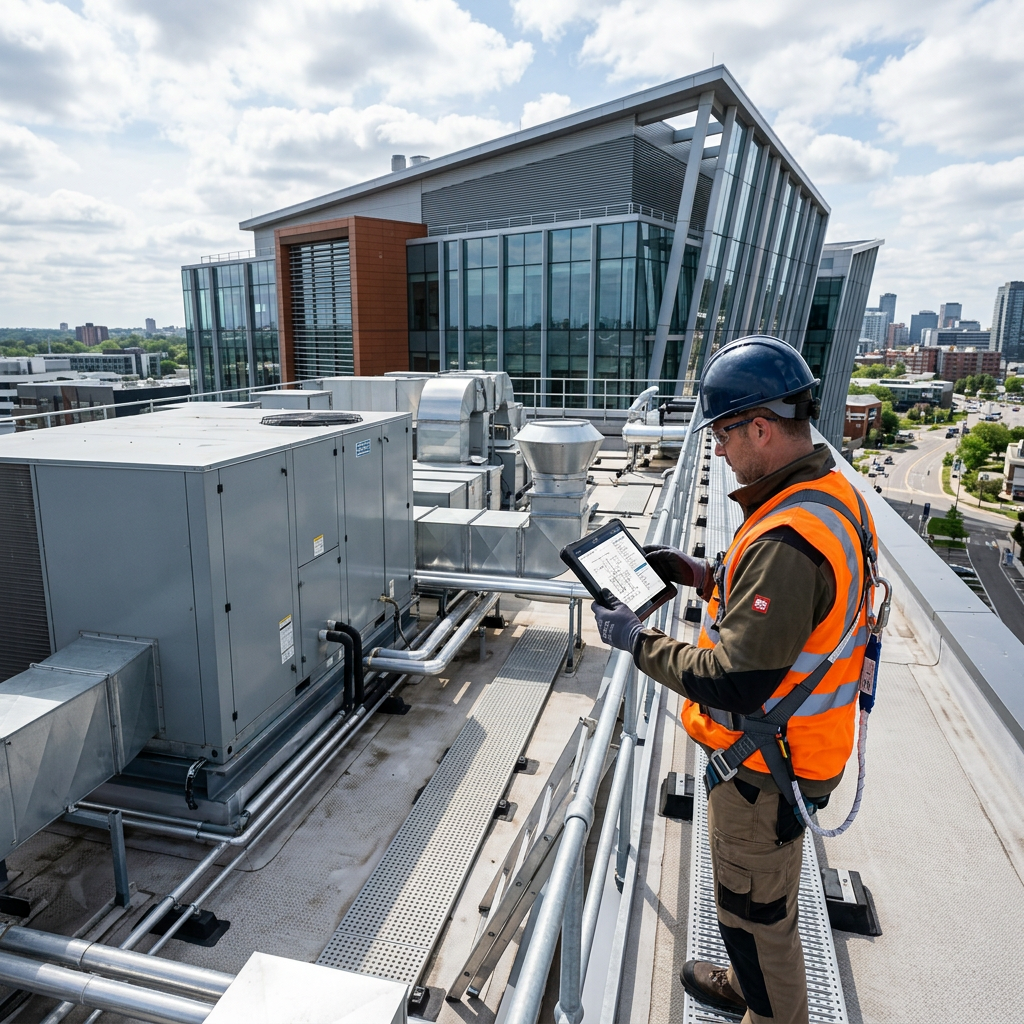
Heating, ventilation, and air conditioning systems play a major role in maintaining a comfortable indoor environment. When HVAC systems are not properly maintained, they often become less efficient and more expensive to operate.
Routine maintenance should include changing air filters, cleaning vents, inspecting ductwork, and testing thermostats. Professional servicing can also help identify worn parts before they fail completely.
A well-maintained HVAC system improves indoor air quality, supports employee comfort, and helps control energy costs. It can also reduce the likelihood of unexpected breakdowns during periods of extreme weather when the system is needed most.
Prioritize Electrical System Inspections
Electrical systems are essential to nearly every aspect of modern business operations. Problems with wiring, outlets, lighting, or electrical panels can create serious safety hazards and disrupt productivity.
Regular inspections by qualified professionals can help identify loose connections, damaged wiring, overloaded circuits, and aging components. Emergency lighting systems and backup power equipment should also be tested periodically to ensure they work when needed.
Electrical maintenance is particularly important in facilities that rely on specialized equipment or technology. Unexpected outages can affect productivity, customer service, and overall business performance.
Maintain Roofing and Building Exteriors
The exterior of a commercial facility serves as the first line of defense against weather and environmental conditions. Without regular maintenance, roofs and exterior surfaces can develop issues that lead to water intrusion and structural damage.
Roof inspections should be performed regularly to check for damaged materials, standing water, clogged drains, and signs of wear. Gutters and downspouts should also be cleaned to ensure proper water drainage.
Exterior walls, windows, doors, and seals should be inspected for cracks, gaps, and damage. Addressing these issues early helps prevent moisture problems and improves energy efficiency.
Parking lots and sidewalks should not be ignored either. Cracks, potholes, and uneven surfaces can create safety concerns and negatively affect the appearance of the property.
Test Safety and Emergency Systems
Safety systems are critical components of any commercial facility. These systems help protect employees, visitors, and property during emergencies.
Regular testing should include fire alarms, smoke detectors, sprinkler systems, emergency lighting, and exit signs. Security systems and surveillance equipment should also be inspected to ensure they function properly.
Routine testing allows facility managers to identify problems before an emergency occurs. It also helps businesses remain compliant with local regulations and safety requirements.
Maintain Clean and Safe Grounds
The condition of a facility’s outdoor areas can have a significant impact on both safety and appearance. Well-maintained grounds create a positive impression while helping reduce potential hazards.
Regular landscaping helps prevent overgrown vegetation from affecting building structures or attracting unwanted pests. Walkways and parking areas should be inspected for damage that could create trip hazards.
Outdoor lighting should also be checked regularly. Proper lighting improves visibility, enhances security, and creates a safer environment for employees and visitors during evening hours.
Seasonal maintenance tasks, such as clearing debris and inspecting drainage systems, can further protect the property from weather-related damage.
Track Maintenance Activities and Service Schedules
Even the best maintenance plan can become ineffective without proper documentation. Keeping detailed records helps ensure that tasks are completed on time and that important systems receive the attention they need.
Maintenance logs can track inspections, repairs, service dates, and equipment performance. Digital scheduling tools can also help facility managers organize recurring tasks and receive reminders for upcoming services.
Accurate records make it easier to identify patterns, monitor equipment condition, and plan future maintenance budgets. They also provide valuable documentation when dealing with vendors, inspectors, or insurance providers.
Preventive maintenance is one of the smartest investments a commercial facility can make. Consistent inspections, routine servicing, and timely repairs help prevent unexpected disruptions while protecting valuable assets. By focusing on essential maintenance tasks throughout the year, businesses can create safer, more efficient environments for employees and visitors alike. Taking a proactive approach today can help avoid costly problems tomorrow and keep operations running smoothly for years to come.
Discover more from The Cameron Journal
Subscribe to get the latest posts sent to your email.