Key Takeaways
- Understand the impact of color on mood and perception of space.
- Select cohesive color schemes for a unified home design.
- Explore trending colors and their effect on home appeal and value.
- Implement practical testing strategies before making final decisions.
Table of Contents
- Understanding Color Psychology
- Assessing Your Space
- Creating a Cohesive Color Scheme
- Exploring Current Color Trends
- Testing and Finalizing Your Choices
- Conclusion
Transforming your living space with the right paint colors can be both exciting and daunting. With so many shades and styles available, it is essential to make choices that reflect your personality and meet your practical needs. If you’re seeking professional guidance, trusted Ottawa painters serving the capital region since 2005 can provide expert advice and meticulous service to help you achieve your vision.
Choosing paint colors goes beyond picking what looks nice. The hues you select can significantly affect the atmosphere, energy, and resale value of your property. By understanding fundamental principles and industry trends, you can elevate your home’s aesthetics while creating an inviting and harmonious environment.
Understanding Color Psychology
The psychology of color plays a powerful role in how your home feels. Colors can evoke specific emotions and influence behavior. Cool shades such as blues and greens tend to create a calming atmosphere, making them excellent choices for bedrooms or bathrooms. On the other hand, warmer tones like reds, oranges, or yellows can foster energy and sociability, perfect for kitchens or gathering spaces. Planning with color psychology in mind ensures every room fosters the mood you want to create. You can learn more about color psychology in interior design from Architectural Digest.
Assessing Your Space
Beyond emotional effect, the dimensions and lighting of your rooms play a part in your final color choice. Lighter colors can make small, dark rooms feel larger and more open, while deeper tones can make large, airy spaces feel snug and intimate. Examining how natural light enters each room at different times of day will help you avoid surprises once the paint dries, as lighting conditions can dramatically shift how colors appear.
Existing furniture, flooring, and art should also influence your palette, creating a seamless flow between your wall color and décor. Considering these physical details will guide you toward hues that both highlight and harmonize with your home’s permanent features.
Creating a Cohesive Color Scheme
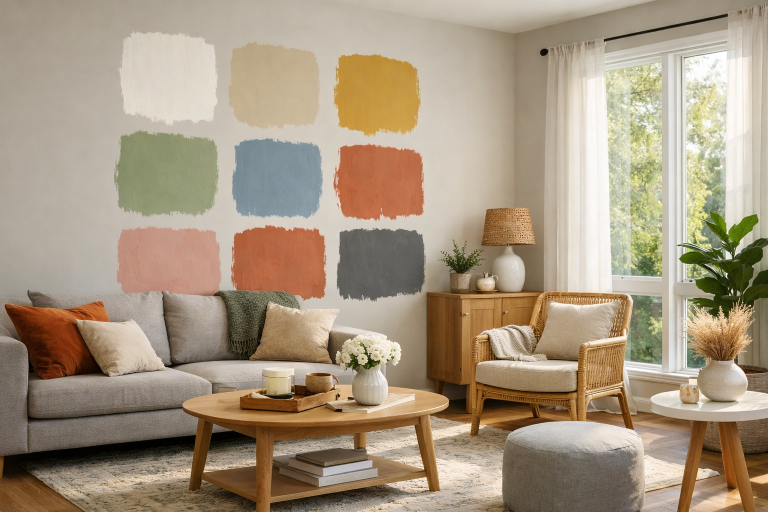
Establishing a cohesive color scheme ties separate spaces together and makes transitions from room to room effortless. A widely used design principle is the 60/30/10 rule, dividing your palette into dominant, secondary, and accent colors for balance and interest. Start by choosing a versatile neutral as your dominant shade, add a more vibrant secondary color, and finish with a bold accent for accessories or statement pieces.
Tips for Crafting Your Palette
- Draw inspiration from an inspiration piece, such as a favorite rug, artwork, or textile.
- Carry similar undertones throughout your selections, whether warm (yellow, red) or cool (blue, green).
- Limit your palette to three to five core colors for a streamlined, professional look.
Exploring Current Color Trends
Staying up to date with popular color trends helps you keep your home feeling fresh and modern. In 2026, earthy tones such as terracotta and pistachio are topping the charts, echoing the desire to bring nature indoors. Muted greens and deep blues are also in demand for their grounding, tranquil properties and their ability to appeal to a broad range of potential homebuyers. According to Zillow, homes with kitchens painted in muted green shades can sell for up to $1,597 more than expected. You can explore more on the impact of color choices on resale value at Architectural Digest.
While trends can be inspiring, balance them with personal taste to ensure your chosen palette will feel timeless and authentic for years to come.
Testing and Finalizing Your Choices
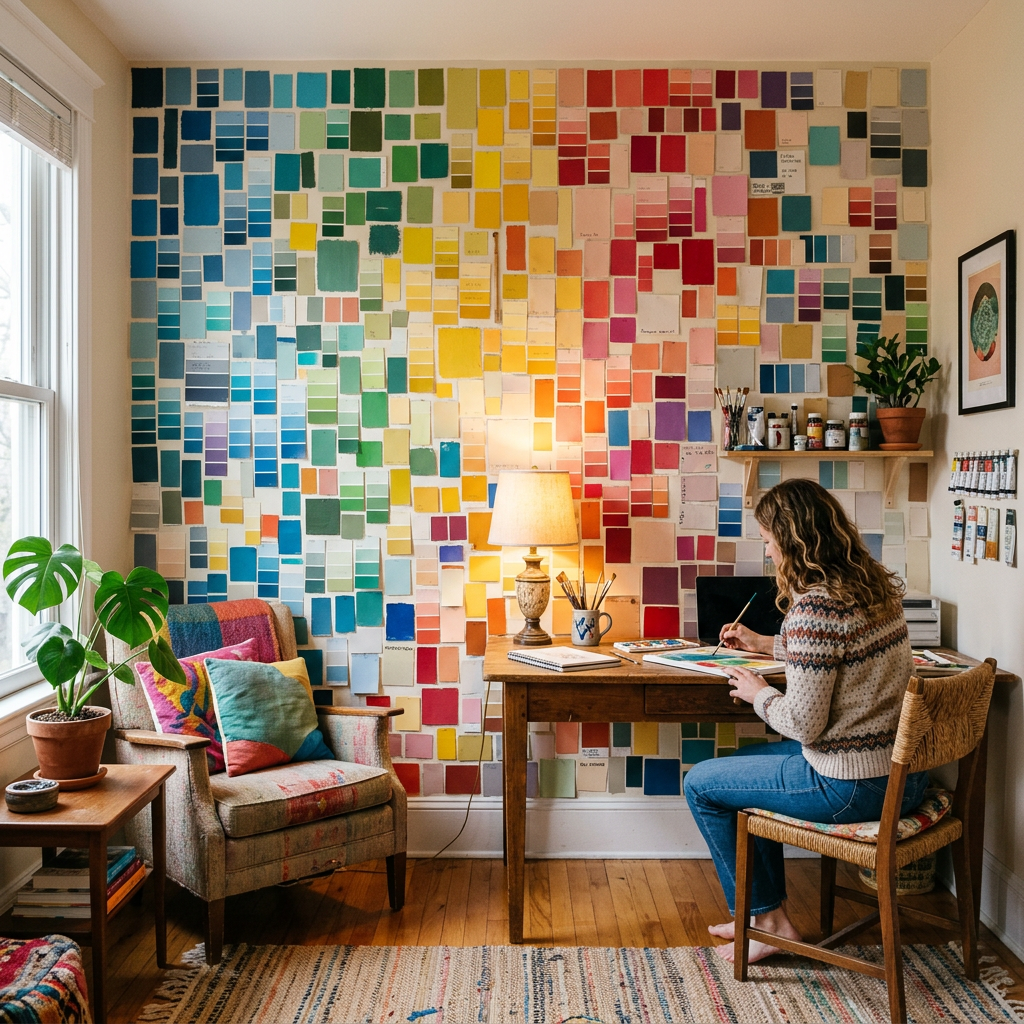
No matter how confident you are in your paint picks, always test them in your actual living space. Paint small test patches on different walls and observe how they look under natural daylight, evening light, and artificial illumination. Pay attention to how the color shifts, as undertones and saturation can look very different from swatch to wall.
Choosing the Right Finish
Your paint’s finish impacts maintenance and appearance. Matte or eggshell finishes help conceal wall flaws and are ideal for low-traffic spaces. Semi-gloss or gloss options reflect more light and are easy to clean, making them best for kitchens, bathrooms, or areas frequently touched by children.
Conclusion
Successfully selecting paint colors means understanding the relationship between color, light, space, and mood. By following essential steps, including testing your colors and staying informed about trends, you can create a harmonious and inviting home environment that captures your individual style while maximizing comfort and value. For those who want flawless results and an expert perspective, working with experienced professionals like trusted Ottawa painters serving the capital region since 2005 can make all the difference from planning to the final brushstroke.
Discover more from The Cameron Journal
Subscribe to get the latest posts sent to your email.