
Joseph Spencer has spent more than two decades serving churches and worship communities through music ministry, pastoral leadership, and operational management. Based in California, he has worked as a staff musician, associate pastor, minister of music, and director of worship for several congregations, including Oak Cliff Bible Fellowship, Burning Bush Baptist Church, Temple Missionary Baptist Church, and Ecclesia Christian Fellowship. Alongside his ministry work, he serves as director of operations at Inland Empire Resource Center, where he oversees budget management, staff development, and client support services. Spencer has also participated in gospel music workshops, worship symposiums, and leadership conferences across the United States and internationally. His background in church leadership and music ministry provides practical insight into developing younger musicians within a worship setting.
How to Mentor Young Musicians in a Church Setting
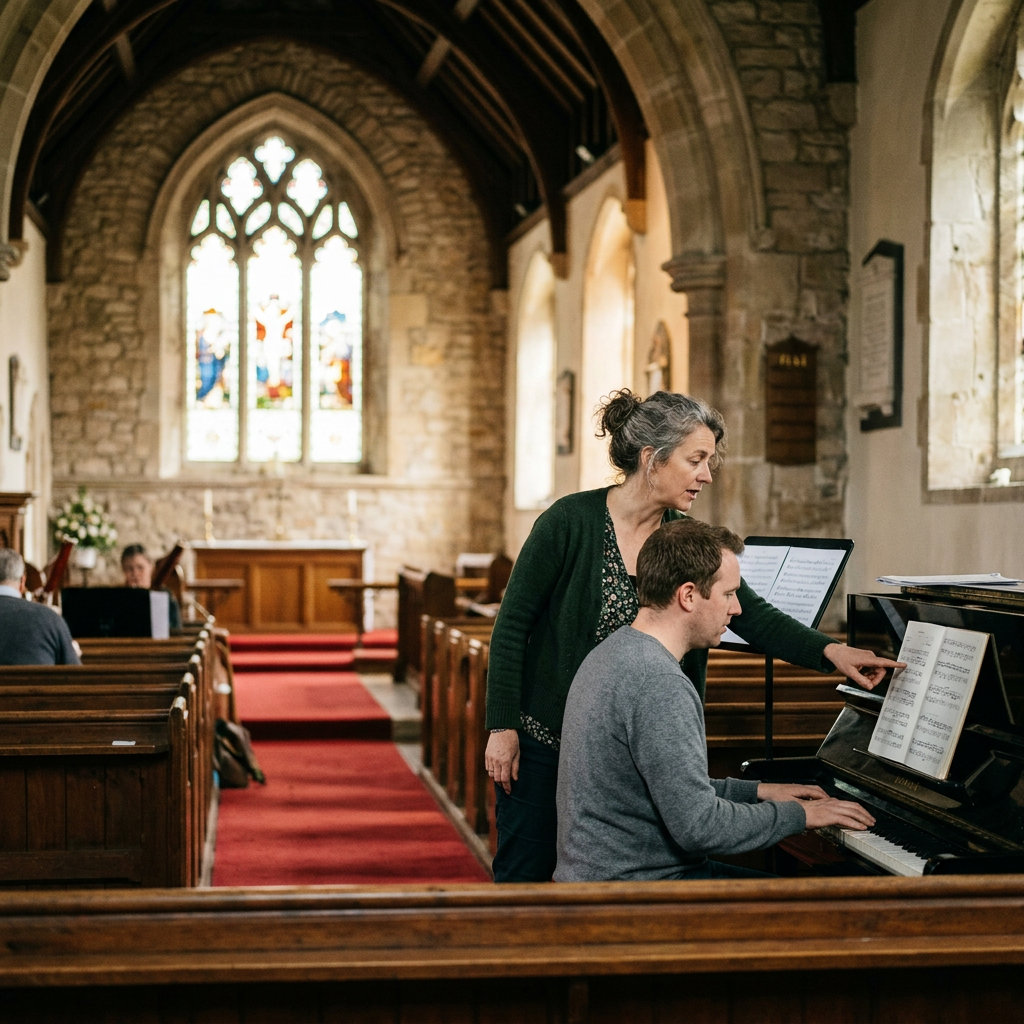
Many church music teams depend on volunteers of different ages. Younger musicians often join before they fully understand what is expected during rehearsals and worship services. Because of that, mentoring should be about more than passing out music or correcting mistakes. A strong mentor helps younger singers and musicians learn how to prepare, follow direction, rehearse well, and work with the rest of the team.
Early guidance is important because small bad habits can turn into bigger problems over time. A young musician may have talent and interest but still show up unprepared, lose focus during rehearsal, or miss important cues. When a leader deals with those habits early, the student is less likely to keep making the same mistakes in front of the group.
To mentor well, a leader first needs to understand the student’s current skill level. The leader should pay attention to timing, entrances, home practice, and whether the student stays focused when directions change. This helps the leader see what the student can already handle and what areas still need work.
Once the leader knows the student’s strengths and weaknesses, they can assign the right role. A younger singer may do better starting with a simple and steady part instead of one that changes often. A younger musician may begin by playing rhythm or basic chords before taking on more difficult parts. Starting small gives the student a chance to grow in confidence without hurting the flow of the group.
Good mentoring is not only about teaching notes or rhythms. Young musicians also need to learn how to come prepared, pay attention to the director, write down changes, listen for cues, and stay focused even when someone else is being corrected. In church music, those habits can be just as important as talent.
Correction should also be clear. If a student misses an entrance, rushes a phrase, or keeps playing the wrong rhythm, the leader should explain the exact problem and give a simple instruction for the next try. Saying, “Pay attention,” is not as helpful as saying, “Watch for the cutoff and come in on beat three.”
A leader should only give a student more responsibility after they have shown they can handle what they already have. A student who learns music on time, stays prepared, and makes fewer mistakes may be ready for a larger role. That next step should feel earned, not like a public test.
Mentoring also works best when adults stay in the right roles. The music leader should handle rehearsals, part assignments, and musical correction. Parents and other church adults can help with rides, reminders, schedules, and encouragement. When everyone stays in their lane, the student gets clear direction and support.
A leader should also pay attention to progress over time instead of focusing on one rehearsal. Regular check-ins, clear standards, and simple goals can show whether a student is improving, staying the same, or needing a smaller role for a while. When advancement is based on steady effort and real growth, the student has a better chance of succeeding.
Over time, this kind of mentoring helps the whole music ministry. It prepares younger musicians for greater responsibility and helps the team handle absences, changes, and new roles with less confusion.
About Joseph Spencer
Joseph Spencer serves as director of operations at Inland Empire Resource Center, where he oversees operational processes, staff development, payroll, and client support services. He has also held leadership roles in several churches as a director of worship, associate pastor, and minister of music. In addition to recording worship music, he participates in gospel music workshops, worship symposiums, and leadership conferences throughout the United States and internationally while pursuing Christian Ministries studies at Cal Baptist University.
Discover more from The Cameron Journal
Subscribe to get the latest posts sent to your email.


