
Key Takeaways
- The H-1B visa program is crucial for U.S. innovation, especially in the tech sector.
- Recent changes, including a $100,000 application fee, threaten startups and smaller tech firms.
- Potential consequences include increased offshoring, labor shortages, and long-term impacts on economic competitiveness.
The H-1B visa program has been integral to the growth of the U.S. technology ecosystem, allowing businesses to recruit specialized talent from around the world. For decades, many American companies, especially startups, have relied on the H-1B to fill roles requiring highly skilled professionals. However, recent policy developments, including a steep increase in application fees, have sent waves of concern throughout the industry.
The newly instituted $100,000 application fee casts a long shadow over the accessibility of the H-1B program, erecting significant barriers, particularly for smaller firms. As the landscape grows more restrictive, technology leaders and entrepreneurs are grappling with the economic and operational consequences. This new fee structure threatens to upend the core advantage that the H-1B program has long provided: enabling nimble startups and established companies alike to compete globally by attracting top talent to American shores.
At a time when global competition for specialized workers is more intense than ever, the U.S. risks ceding its leadership in technology and innovation to other countries with friendlier immigration policies. Companies and analysts are now forced to reconsider the long-term outlook for job creation, R&D investment, and market growth in the wake of these significant regulatory changes.
Addressing these complex regulatory shifts often requires a solid understanding of immigration law and its economic impact. Businesses may need to review changing compliance requirements, assess how policies could affect their workforce, and get legal guidance when the rules become difficult to interpret. In these situations, Monty Ramirez law is one example of a legal practice that deals with immigration-related matters, giving businesses another place to look when they need to better understand how changing policies may affect their workforce.
The ramifications extend far beyond company payrolls and recruiting pipelines, raising complex questions about labor mobility, talent shortages, and the continued health of the nation’s innovation ecosystem. As policymakers debate the future of the H-1B program and business owners seek alternatives, the impact on startups and technology firms is coming into sharp focus.
The Role of H-1B Visas in Driving U.S. Innovation
The H-1B program has long served as a bridge between the U.S. and a global pool of high-caliber talent. Research published in the journal Nature highlights that an increase in H-1B admissions is directly associated with a spike in patent filings, particularly among foreign-born inventors. Crucially, these gains have occurred without significant displacement of U.S.-born workers, supporting the assertion that the program promotes innovative capacity and economic dynamism.
Startups, research institutions, and established technology firms all leverage the H-1B to inject fresh thinking and specialized skills into their workforce. In particular, emerging companies, often constrained by limited domestic talent willing to take on early-stage risks, depend on the flexibility and reach that the program enables. As such, the H-1B pipeline has fueled countless technology breakthroughs, supported the launch of new companies, and strengthened America’s competitive position in the global market.
Recent Policy Changes: $100,000 Application Fees and Beyond
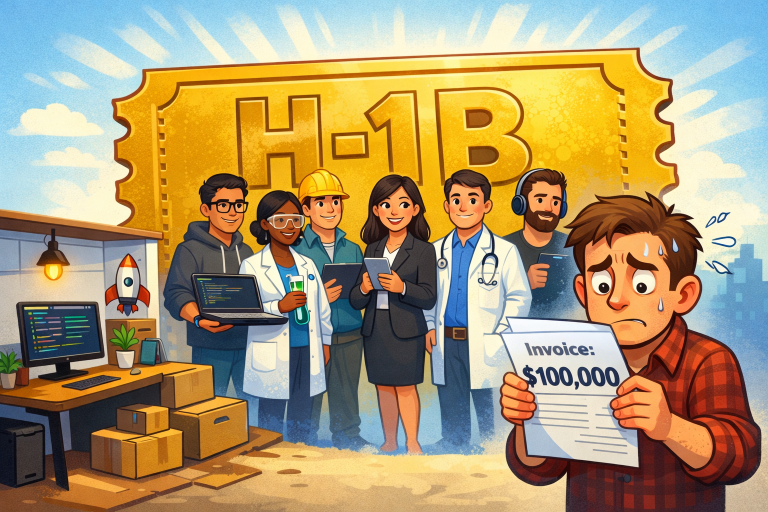
In September 2025, the Trump administration unveiled a substantial fee hike for H-1B applications, raising the cost per petition to $100,000. This dramatic change is poised to reshape the economics of hiring overseas talent, especially for startups and smaller companies operating on tight margins. Leaders in the tech industry have quickly condemned the move, arguing that it will “kneecap startups” and may drive founders and foreign workers to more welcoming countries.
The policy shift has also drawn scrutiny from economists and immigration experts. Critics argue that high fees disproportionately burden innovative startups and could reverse decades of progress in positioning the U.S. as a magnet for global talent. For many entrepreneurs, this presents a stark choice: forgo critical hires or face unsustainable financial outlays.
Impact on Startups and Smaller Firms
Unlike larger corporations with vast resources, startups operate with lean budgets and limited capacity to absorb costly new fees. These companies frequently rely on the H-1B program to bring in engineers, data scientists, and other specialists who are in short supply domestically. The new fee structure could make talent acquisition a luxury, pushing small businesses into a corner.
If startups are unable to fill vital positions, the pace of innovation across the sector could slow. This would not only impede the development of new technologies but could also stifle competition, as large firms with deeper pockets corner the market for skilled labor. There is a risk that promising ideas and new ventures may never reach their full potential if access to critical talent is restricted.
Potential Shift Toward Offshoring
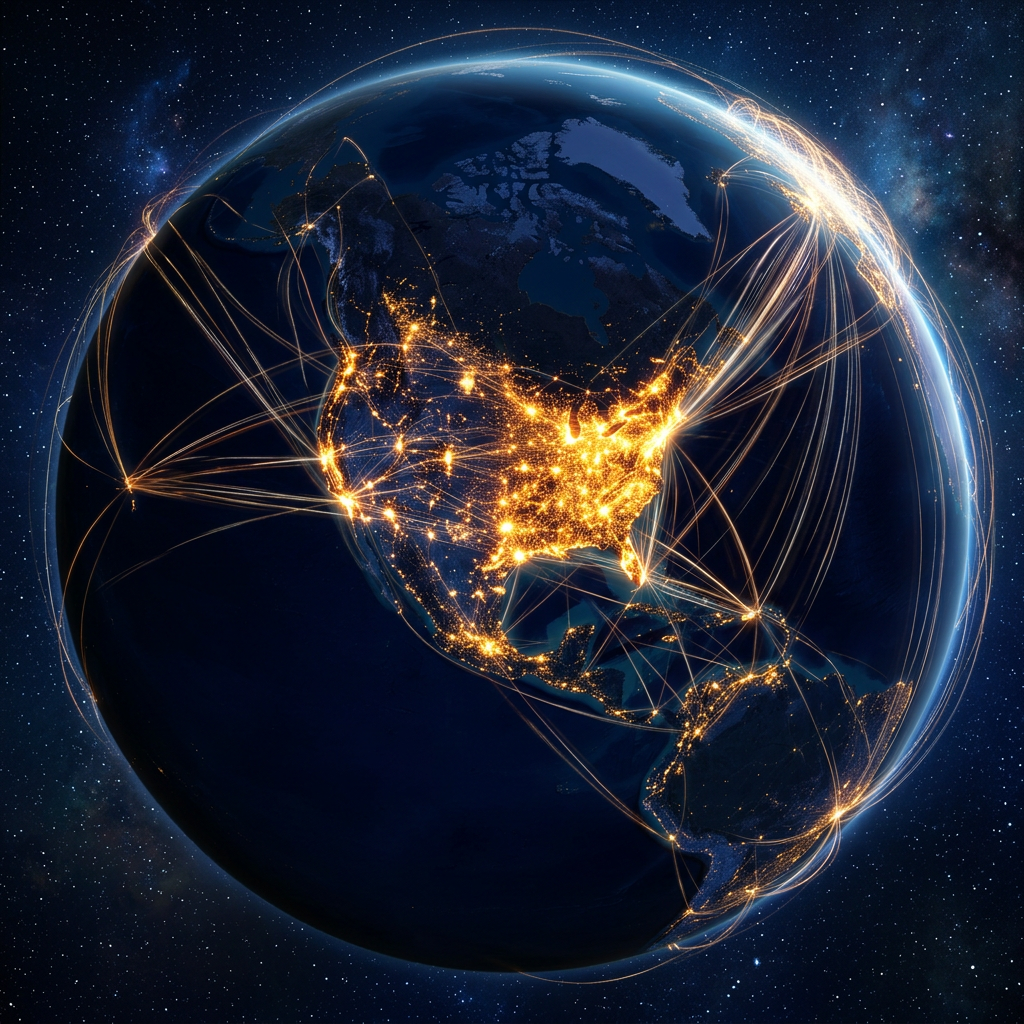
Facing onerous fees and tighter regulations, some U.S. companies may consider moving critical functions overseas. Countries such as Canada and India, which offer more accessible immigration channels for skilled workers, could become attractive destinations for both startups and established firms. According to the Brookings Institution analysis, Canada’s streamlined visa process and its welcoming stance toward international talent have already begun to attract workers who might have otherwise landed in Silicon Valley.
Such a migration of talent and operations could accelerate “brain drain” from the U.S. and disrupt the foundation of the domestic innovation economy. The longer-term effect could be a diminished U.S. presence in rapidly emerging fields like artificial intelligence, biotechnology, and advanced manufacturing.
Broader Economic Consequences
A reduction in the number of skilled H-1B visa holders will reverberate across several sectors, most notably technology and healthcare. With rising labor shortages, businesses could see a decline in productivity, longer product development cycles, and higher operating costs. Additionally, American universities and research centers may struggle to attract and retain elite global scholars, further weakening the country’s academic leadership and research output.
The interconnectedness of the innovation economy means that policy changes in visa regulations will affect not only hiring and workforce development but also investment, entrepreneurship, and the overall competitiveness of the U.S. economy.
Industry Response and Future Outlook
The tech industry has responded forcefully to the new fee structure, warning that the changes could have enduring negative consequences for the nation’s economic vitality. Advocacy groups and business coalitions are actively lobbying for reforms that would keep the U.S. open to international talent while addressing legitimate concerns about misuse or abuse of the program.
The road ahead remains uncertain. While some policymakers defend the changes as necessary to protect domestic workers, others caution that a more nuanced approach is needed, one that encourages innovation and preserves the nation’s position as a global leader in technology, research, and entrepreneurship.
Conclusion
The future of the H-1B visa program stands at a crossroads. For decades, it has been vital to U.S. competitiveness and innovation, but sweeping policy changes are now placing new and significant obstacles before startups and smaller firms. Navigating a balanced path forward will require policymakers to address security and fairness while ensuring continued access to the world’s best and brightest minds. The stakes for the U.S. innovation economy and its global leadership position have never been higher.
Discover more from The Cameron Journal
Subscribe to get the latest posts sent to your email.




