

Key Takeaways
- Fiduciary duties require corporate directors and officers to act with loyalty, care, and good faith in the best interests of the company and its shareholders
- Breaches such as self-dealing, misappropriation of assets, and failure to disclose conflicts of interest can seriously damage trust and corporate performance
- Legal frameworks governing fiduciary duties continue to evolve through state and federal laws and court rulings
- Shareholders have legal remedies, including derivative lawsuits, direct lawsuits, and demands for corporate governance reforms
- Strong compliance programs, regular audits, and an ethical corporate culture are essential for preventing fiduciary breaches
Understanding Fiduciary Duties in Corporate Governance
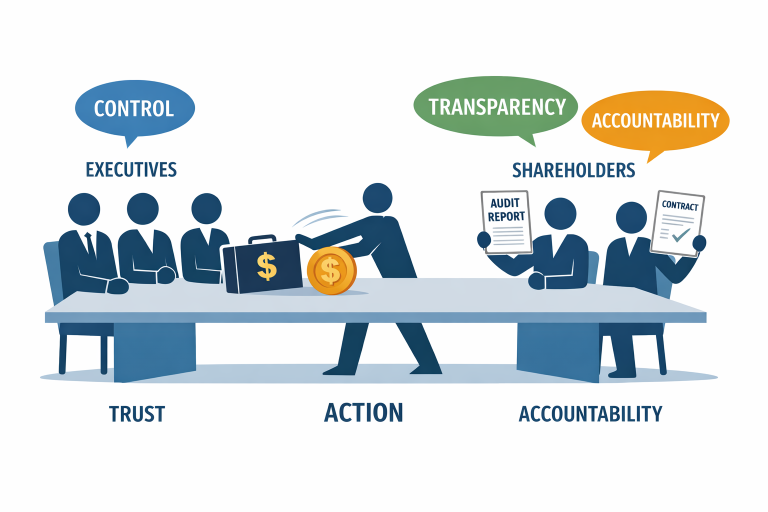
Fiduciary duties serve as a critical foundation for trust and effective corporate governance. Directors and officers are bound by these duties to act in the best interests of the company and its shareholders, prioritizing integrity, loyalty, and diligence with every decision. This commitment ensures transparency and accountability, key factors that help protect both organizational and investor interests. When leadership fails in its obligations, it can result in significant harm to shareholders and damage the organization’s reputation.
Modern shareholders are increasingly vigilant, tracking patterns of corporate mismanagement or conflicts of interest. In response, a growing number of recent lawsuits from investors demonstrate that breaches of fiduciary duty can prompt legal action aimed at protecting shareholder value and enforcing higher governance standards. These lawsuits are often necessary to hold those in power accountable and to set corporate precedents for others to follow.
The legal concept of fiduciary duty encompasses several core principles, including the duty of care (making informed and prudent decisions), the duty of loyalty (acting without personal conflicts of interest), and the duty of good faith (demonstrating honest intent and full disclosure). Violations in any of these areas not only erode investor trust but also increase companies’ vulnerability to external scrutiny and litigation. As the regulatory landscape evolves, the importance of understanding fiduciary duties and potential breaches continues to grow for directors, officers, and investors alike.
Common Breaches of Fiduciary Duty
Shareholders and regulatory authorities often identify several recurring types of breaches, including:
- Self-Dealing: Transactions where directors or officers prioritize personal gain over the welfare of the company or its investors. This conduct can include accepting financial benefits, securing favorable business relationships, or engaging in side deals that financially disadvantage shareholders.
- Misappropriation of Assets: Unauthorized use of company resources or assets for individual benefit. Such actions range from minor expense abuses to large-scale embezzlement that materially impacts company finances.
- Failure to Disclose Conflicts: Failing to adequately inform shareholders, other board members, or stakeholders about existing or potential conflicts of interest. Non-disclosure can result in ill-informed decision-making and erode trust in the company’s leadership.
Legal Framework Governing Fiduciary Duties
The framework for fiduciary duties is shaped by state and federal laws and legal precedents. State courts often set influential precedents due to the number of corporations incorporated. For example, the duty of candor requires directors to provide full and honest disclosure to shareholders; any deviation can expose them to legal challenges and costly consequences. These legal standards continue to evolve, as courts and regulators issue new rulings and clarify obligations for corporate officers and directors.
Recent High-Profile Cases
Recent years have seen several notable cases in which allegations of fiduciary breaches led to major legal actions:
- Equinix, Inc.: An investigation into potential insider breaches sparked shareholder concerns, leading to legal consultations and actions that placed executive decision-making under the microscope.
- General Motors Company: Shareholders raised red flags about the actions of certain directors and officers, prompting increased legal scrutiny, public debate, and demands for greater transparency into internal practices.
Consequences of Breaching Fiduciary Duties
When fiduciary duties are breached, the fallout can be severe and far-reaching for all parties involved:
- Legal Penalties: Directors and officers may face lawsuits that require them to pay damages or face other remedies imposed by the courts.
- Reputational Damage: Public disclosure of a breach can erode investor trust, cause volatile stock performance, and drive away both customers and strategic partners.
- Operational Disruptions: Ongoing legal disputes often divert attention, drain resources, and disrupt normal business operations, potentially affecting long-term organizational goals.
Shareholder Rights and Remedies
Shareholders are empowered with specific rights and legal mechanisms to pursue when fiduciary duties are breached:
- Derivative Lawsuits: Investors can bring legal action on behalf of the company to hold directors or officers accountable for wrongdoing, seeking restitution or corporate reforms.
- Direct Lawsuits: Individuals can sue to recover personal financial losses resulting from the breach, often seeking compensation or damages directly from the responsible parties.
- Demanding Corporate Reforms: Shareholders can advocate for changes in company policies, leadership, and governance structures to minimize future risks of breaches and restore corporate integrity.
Preventative Measures for Companies
Strong corporate governance and preemptive action are vital for reducing the risk of fiduciary breaches. Effective measures include:
- Implement Robust Compliance Programs: Regular training programs and clear policies that educate all levels of leadership and staff about their fiduciary responsibilities and legal obligations.
- Conduct Regular Audits: Transparent and systematic reviews of financial dealings, project approvals, and business relationships to detect irregularities and uncover early warning signs.
- Foster an Ethical Culture: Encouraging open communication, ethical leadership, and a willingness to question suspect behaviors at all levels of the organization.
Final Thoughts
Breaches of fiduciary duty can destabilize organizations, erode shareholder wealth, and undermine the values that support robust corporate governance. Staying informed, implementing strong compliance programs, and recognizing the warning signs of fiduciary violations empower shareholders to protect their investments and demand greater accountability from corporate leadership. By maintaining vigilance and setting high standards for transparency and ethics, companies and their investors can foster a future defined by trust and sustainable success.
Discover more from The Cameron Journal
Subscribe to get the latest posts sent to your email.




