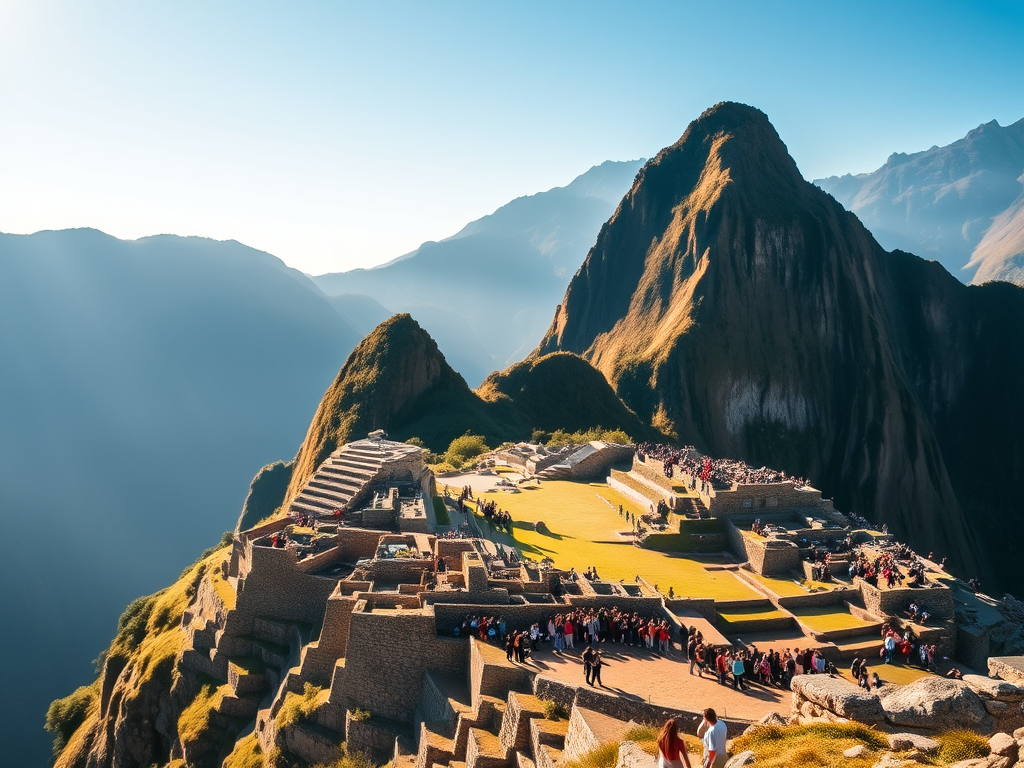
When Popular Places Become Carefully Managed Experiences
For decades, visiting the world’s most famous landmarks often meant little more than showing up early and buying a ticket at the entrance. Today, that model has largely disappeared. Many iconic destinations now operate under strict visitor caps that limit how many people can enter each day.
These limits are designed to protect fragile environments and historical structures. However, they are also changing the way travelers plan their trips. Instead of spontaneous visits, tourists now need to schedule their experiences weeks or months in advance.
This shift has become especially visible in destinations where permits and timed entry windows are required. Travelers researching Machu Picchu tours quickly discover that entry is regulated through daily visitor quotas and structured time slots, meaning careful planning is essential.
The result is a new travel reality where access to bucket list landmarks is no longer just about getting there. It is about securing a place in a controlled system designed to preserve these sites for future generations.
Why Visitor Caps Are Becoming Necessary
Many of the world’s most famous landmarks were not built to accommodate millions of visitors each year. Ancient cities, historic temples, and fragile natural landscapes can only withstand a certain level of foot traffic before damage begins to occur.
As global tourism has grown, the pressure on these sites has increased dramatically. According to research on sustainable tourism practices from the United Nations World Tourism Organization, heritage locations worldwide have introduced visitor limits to reduce environmental strain and maintain cultural integrity. Travelers interested in how tourism policies protect historic sites can explore the organization’s research.
Visitor caps are often based on scientific assessments of how many people a site can safely accommodate. Archaeologists, conservationists, and local governments work together to determine safe visitor thresholds.
Without these measures, some landmarks could suffer irreversible damage from overcrowding.
The Rise of Timed Entry Systems
One of the most significant changes in travel planning involves the adoption of timed entry systems. Instead of allowing unlimited access throughout the day, many landmarks now assign visitors specific entry windows.
This approach spreads out crowds and reduces congestion in sensitive areas. Travelers arrive in smaller groups rather than overwhelming the site all at once.
Timed entry also helps preserve the quality of the visitor experience. When crowds are controlled, travelers can move more comfortably through historic pathways, view structures more clearly, and spend time appreciating the environment without excessive noise or congestion.
However, these systems also require travelers to plan their itineraries around precise schedules.
Missing a designated entry window may mean losing the opportunity to visit altogether.
How Booking Behavior Is Changing
Visitor caps and timed entry policies have dramatically changed how travelers organize their trips. In the past, many people planned major attractions after arriving at their destination. Today, that approach can lead to disappointment.
Travelers now begin their planning process by securing landmark access first. Once entry permits are confirmed, they build the rest of their itinerary around those dates.
Flights, accommodations, and transportation often revolve around the reserved entry time for the landmark. This shift has turned travel planning into a more strategic process.
Some visitors even schedule their entire vacation around a single permit reservation.
This approach may seem restrictive, but it often results in a smoother and more organized travel experience.
The Role of Guided Access
Another trend accompanying visitor caps is the growing role of guided visits. Many heritage sites require travelers to enter with certified guides or follow designated routes through the landmark.
Guides help manage visitor flow while also providing historical and cultural context. Rather than wandering freely through sensitive areas, travelers move through structured pathways designed to protect the site.
This approach can significantly improve the educational aspect of the visit. Guides explain architectural details, historical significance, and cultural traditions that might otherwise go unnoticed.
Organizations dedicated to heritage preservation often emphasize the value of guided experiences. For example, UNESCO provides resources explaining how cultural sites are protected and interpreted for visitors.
Guided visits transform the experience from casual sightseeing into a deeper cultural encounter.
The Impact on Local Communities
Visitor caps also influence the communities surrounding major landmarks. While tourism remains an important economic driver, managing visitor numbers helps ensure that local infrastructure and resources are not overwhelmed.
In some destinations, limiting daily entries encourages travelers to spend more time in nearby towns rather than rushing through a single day trip. Visitors may stay overnight, explore local markets, and participate in regional cultural experiences.
This shift can create a more balanced relationship between tourism and local life.
When travelers remain in the region longer, they often contribute more meaningfully to the local economy while experiencing a richer cultural connection.
Visitor caps therefore reshape not only how people access landmarks, but also how tourism flows through surrounding communities.
Balancing Preservation With Accessibility
The introduction of visitor caps inevitably raises questions about accessibility. Some travelers worry that strict limits make iconic landmarks harder to experience.
However, many preservation experts argue that these systems actually protect long term access. Without limits, fragile sites could deteriorate to the point where public visits become impossible.
Visitor caps create a balance between protection and opportunity. By controlling how many people enter each day, these policies allow travelers to continue visiting historic places while preserving them for future generations.
It is a compromise between popularity and sustainability.
A New Era of Landmark Travel
The world’s most famous landmarks remain powerful travel dreams for millions of people. Ancient cities, cultural monuments, and historic landscapes continue to inspire curiosity and adventure.
Yet the way people visit these places has evolved.
Visitor caps, timed entry tickets, and permit systems have transformed the travel experience from spontaneous exploration into carefully planned journeys. Travelers who adapt to this new structure often find that the effort pays off.
With fewer crowds and more thoughtful management, these remarkable sites can be experienced in a way that respects both their history and their future.
In the end, visitor caps are not barriers to exploration. They are safeguards that allow the world’s greatest landmarks to remain standing, inspiring travelers for generations to come.
Discover more from The Cameron Journal
Subscribe to get the latest posts sent to your email.