Key Takeaways
- Dental implants closely resemble natural teeth and last much longer than traditional bridges or dentures, typically remaining functional for many years or even decades with proper care.
- There is considerable variation in implant types, with some suited for specific clinical situations such as significant bone loss or unique cosmetic demands.
- Individual assessment and a dental professional’s expertise are essential to developing a successful, personalized plan that optimizes oral health and aesthetics.
Dental implants have become a widely trusted solution for individuals looking to restore missing teeth. They offer a durable and natural-looking alternative to traditional dentures or bridges, helping maintain jawbone health and overall oral function. With advancements in dental technology, there are now multiple types of implants available, each designed to meet specific needs and preferences. Understanding these variations can help patients make informed decisions in consultation with their dental care providers.
Among the many considerations when choosing an implant are the patient’s bone density, oral health, and lifestyle habits. Some implants are designed to replace a single tooth, while others can support multiple teeth or even full arch restorations. Procedures may also vary in terms of recovery time and surgical approach. Professionals at a Roseville, CA dental implant center often guide patients through these options, explaining the differences between endosteal, subperiosteal, and zygomatic implants, among others. By learning about the available implant types, individuals can better plan for long-term oral health and enjoy improved comfort and function.
Single Tooth Implants
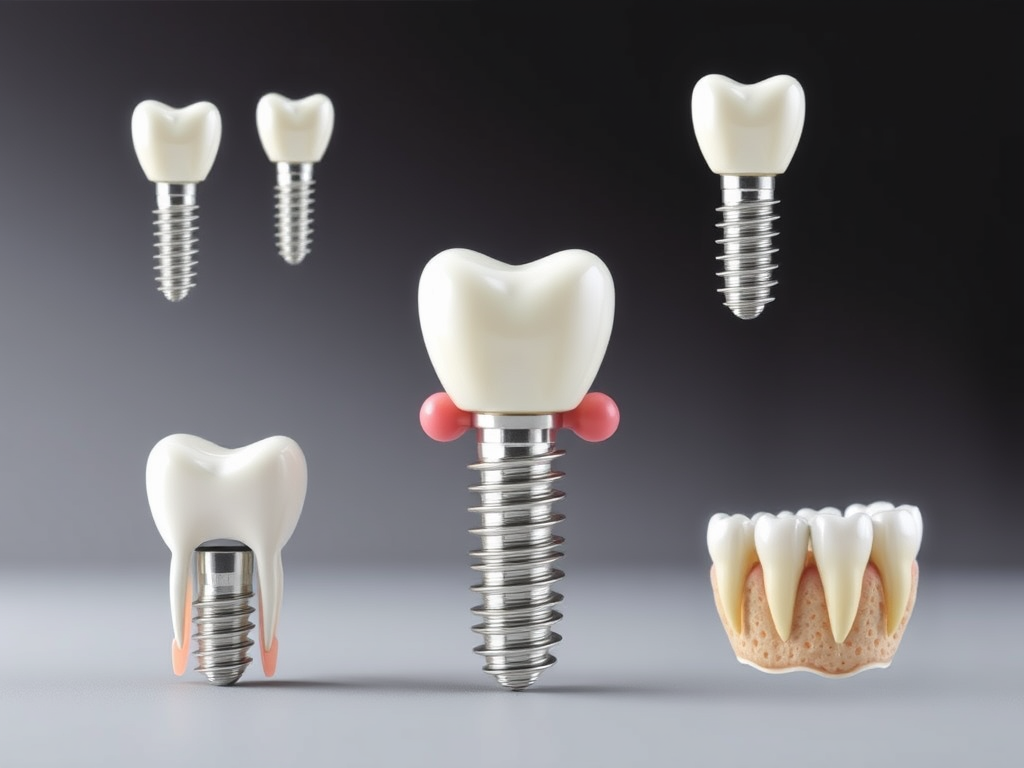
For individuals who need to replace just one missing tooth, a single-tooth dental implant is often recommended as the gold standard of care. This straightforward procedure involves surgically inserting a titanium post into the jawbone below the missing tooth area. The implant acts as a new artificial root, securely anchored in the bone. As healing takes place, usually over several weeks or a few months, the bone fuses to the metal post through a process called osseointegration. After the healing period, a custom-designed crown, matched to the surrounding teeth in color and shape, is attached to the implant abutment. This method allows patients to regain the look, feel, and function of a natural tooth without affecting any neighboring teeth. Importantly, a single tooth implant preserves jawbone health, prevents adjacent teeth from shifting, and has a high long-term success rate. The average cost of a single-tooth implant ranges from $3,000 to $4,000, depending on location, the provider’s expertise, and the materials selected.
Implant-Supported Bridges
If two or more teeth in a row are missing, an implant-supported bridge becomes an effective restorative choice. Instead of placing a separate implant for every missing tooth, the dentist places implants at both ends of the gap, which serve as stable anchors. The bridge, a set of artificial teeth custom-fabricated to match the patient’s mouth, is then attached. This approach offers several advantages over traditional bridges, as it does not require grinding down the adjacent healthy teeth, allowing them to remain intact. Additionally, implant-supported bridges reduce the risk of bone loss and provide greater chewing stability compared to removable partial dentures. Proper design and placement can ensure that the bridge looks natural and blends seamlessly into the existing dental arch. The price of an implant-supported bridge ranges from $5,000 up to $16,000, primarily depending on the number of implants needed, the size of the bridge, and whether premium materials are used for the restoration.
All-on-4 Implants
All-on-4 implants are a dental procedure designed for patients who have lost most or all of their teeth in a jaw. This technique uses four implants, two placed vertically and two at an angle, to support a full-arch replacement. This approach optimizes the use of available bone and often eliminates the need for bone grafts. In some cases, provisional prostheses can be placed on the same day, providing immediate function and aesthetic improvement.
The procedure enhances facial contours, speech, and eating habits, and typically involves shorter recovery times than traditional methods. The costs for this treatment generally range from $15,000 to over $20,000 per arch, depending on the complexity of the case and the materials used.
Zygomatic Implants
For patients who have been told they do not have enough bone in their upper jaw to support regular implants, zygomatic implants may be the best available option. Rather than relying on the existing upper jawbone (which may have deteriorated due to long-term tooth loss), these specialized, extra-long implants are anchored in the zygomatic bone, a strong, dense bone structure in the cheek. This technique gives hope to those who might otherwise be restricted to removable dentures or extensive bone grafts. Zygomatic implants can be life-changing for people with severe bone loss, allowing for the placement of permanent teeth quickly and securely. As an advanced surgical procedure, zygomatic implants should only be performed by experienced oral surgeons trained in this field, and patients should expect a thorough consultation and evaluation to ensure the best possible outcomes.
Root Analogue Implants
Root analogue implants are an exciting advancement in implantology, designed to closely match the size and shape of a patient’s original tooth root. These implants are placed immediately after a tooth is extracted, helping to preserve the natural socket space. This approach may reduce bone trauma and promote faster healing. Early studies indicate that root analogue implants integrate well with surrounding bone and gum tissues, providing both cosmetic and functional benefits. However, there are still concerns about long-term outcomes. It is advisable for individuals to consult their dental providers to carefully consider the advantages and limitations of this innovative technique.
Materials Used in Implants
The choice of material significantly impacts the success and longevity of a dental implant. Titanium remains the most widely used material for dental implant posts, due to its proven biocompatibility and remarkable ability to fuse with human bone without causing allergic reactions or rejection. It has set the gold standard in implant dentistry for decades. More recently, zirconia implants have entered the market. These metal-free, high-strength ceramic implants offer an appealing option for patients with metal sensitivities or who prioritize the aesthetic benefits of a white, tooth-colored restoration. Each material has its own strengths: titanium is durable and flexible, while zirconia is highly aesthetic and corrosion-resistant. Your implant surgeon can help guide you in choosing the right material based on the location in the mouth, your cosmetic preferences, and any health concerns.
Choosing the Right Implant
Deciding which dental implant solution best suits your needs is a highly personal process that requires careful evaluation of several factors. Your dentist or oral surgeon will conduct a thorough health assessment, analyzing the number and location of missing teeth, the health of your gums, the density and quality of your jawbone, and your overall medical history, including risk factors such as diabetes or smoking. Additional diagnostic tools, such as 3D imaging and digital scans, enable the dental team to plan with precision and minimize complications. The practicality and expected longevity of each treatment option should also be considered, along with the impact on appearance and comfort. Reading articles like this and consulting trusted sources, such as this Cleveland Clinic article, can help you prepare for consultations and make decisions with confidence.
Conclusion
Expanded knowledge of the diverse types of dental implants empowers patients to actively participate in their care. Every implant type offers distinct advantages, and the most appropriate solution will depend on a blend of clinical circumstances and patient preferences. Collaborating with a qualified implant provider ensures a comprehensive restoration—one that not only looks and feels natural but also preserves oral health and enhances daily life.
Discover more from The Cameron Journal
Subscribe to get the latest posts sent to your email.