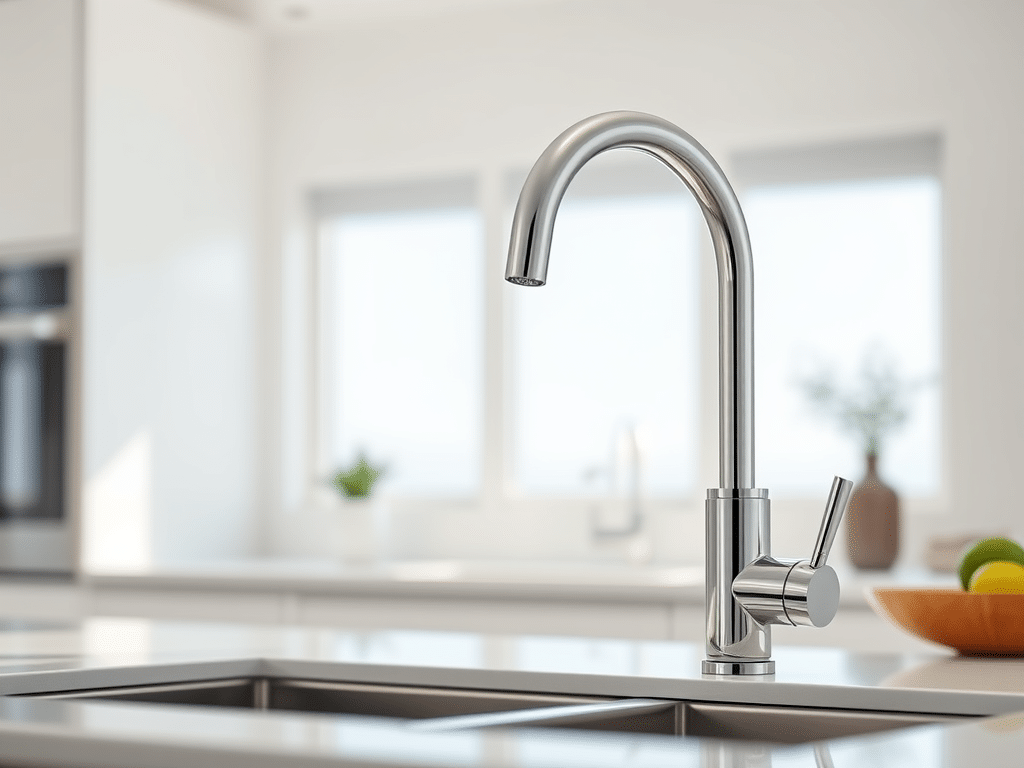
A new faucet can completely change how your kitchen or bathroom feels. It is one of those details that people use every single day without thinking about it, until something goes wrong. A leaky handle or an outdated design can make a space look tired, while a fresh, functional faucet can make daily routines feel smoother and more enjoyable. Whether you are upgrading your home’s style or tackling a necessary replacement, knowing what to look for and how to install it makes all the difference. And if you would rather skip the wrench work entirely, you can always get help with installing new faucets to make sure everything runs perfectly from day one.
Faucets are more than just plumbing fixtures. They are small pieces of engineering that blend form and function, turning water into comfort and convenience. With hundreds of designs and finishes on the market, it is easy to get lost in options. The key is to focus on what suits your space, your habits, and your long-term goals for efficiency and maintenance.
Understanding the Basics Before You Buy
Before falling in love with a faucet’s look, it is important to understand how it will work in your space. Not all sinks and countertops are built the same, and different faucet types serve different needs. Choosing the wrong style could mean unnecessary drilling or complicated adjustments later.
Single-handle faucets are perfect for minimalists who want simplicity and space. They control both temperature and flow through one lever, which makes them ideal for compact sinks and modern interiors. On the other hand, double-handle faucets offer precise temperature control and a more traditional aesthetic. They take a bit more effort to install, but often last longer due to their separate internal valves.
In the kitchen, pull-down and pull-out sprayers have become incredibly popular. They make rinsing vegetables, filling pots, and washing dishes more convenient. The flexible hose and weighted retracting system allow smooth movement without cluttering the sink area. For those who prioritize hygiene, touchless faucets are a brilliant innovation. They start and stop with a motion sensor, keeping handles free from germs and reducing water waste.
Materials and Finishes That Last
Once you decide on the style, think about the material and finish that will stand up to daily wear. It is tempting to choose a faucet based on how shiny it looks under the showroom lights, but durability matters far more once it is installed.
Brass remains the gold standard for faucet construction. It resists corrosion and stands up to years of use without developing hidden leaks. Cheap alloys, by contrast, often corrode from the inside out and can fail suddenly. Inside the faucet, ceramic disk valves have replaced the old rubber washers of the past. These modern valves seal tightly and prevent the annoying drips that waste water and drive homeowners crazy.
The finish of your faucet can change the entire mood of your kitchen or bathroom. Chrome remains timeless, offering a bright, clean look that matches nearly anything. Brushed nickel hides fingerprints better and works well in both modern and transitional spaces. Matte black has surged in popularity, adding bold contrast and sophistication, while polished brass brings a sense of warmth and vintage charm. Whatever finish you choose, make sure it is thickly plated to resist scratches and tarnish for years.
Preparation Is Everything
Installing a faucet is not overly complicated, but preparation makes all the difference between a clean job and a frustrating one. Always start by turning off the water supply valves and draining any leftover water from the lines. Remove the old faucet carefully and clean away any debris or buildup on the sink surface.
Before you buy, double-check that the new faucet matches the number of mounting holes in your sink or countertop. Most modern faucets include an optional deck plate to cover unused holes, but it is better to confirm in advance. Keeping a basin wrench, plumber’s tape, and flashlight handy will make the process much smoother.
Even with good planning, plumbing can surprise you. Corroded fittings or unexpected leaks can turn a simple swap into a tricky repair. In those moments, professionals often rely on tools built for emergency main line repairs to control leaks and stabilize fittings safely. Having access to the right tools or expertise can prevent minor issues from escalating into major headaches.
Installing with Care and Patience
Installing a faucet is best approached with patience and attention to detail. The steps are straightforward, but every connection must be secure to ensure years of trouble-free use. Start by setting the faucet through the mounting holes, making sure it sits evenly against the sink. Secure it from below with the provided hardware, tightening just enough to hold it firmly without bending the metal.
Attach the hot and cold water supply lines to the shutoff valves, wrapping the threads with plumber’s tape for a tight seal. Open the valves slightly and let the water run for a few seconds to flush out any debris from the lines. This small step prevents clogs that can restrict water flow later. Once you confirm that no leaks are present, tighten everything fully and test both temperature controls. Finally, remove and clean the aerator before running water again to make sure everything flows smoothly.
It is always worth taking your time during installation. A little extra care during alignment and sealing will ensure the faucet sits straight, operates quietly, and stays leak-free for years.
Caring for Your Faucet After Installation
A faucet is one of the most frequently used fixtures in any home, so regular maintenance is essential. Fortunately, a few simple habits can keep it looking and working like new.
Wipe the faucet regularly with a soft cloth to prevent mineral spots and soap scum from dulling the finish. Avoid harsh chemical cleaners that can damage protective coatings. If water pressure begins to drop, remove the aerator and soak it in vinegar to dissolve mineral deposits. This simple step can restore flow instantly.
Inspect the connections under your sink every few months. Even a tiny drip can cause moisture damage or mold if ignored for too long. Replace hoses that show signs of corrosion or wear before they fail. When you notice stiffness in the handle or a slow drip after shutting off the faucet, it might be time to replace the internal cartridge. Many brands sell easy repair kits, allowing you to restore perfect performance without buying a new fixture.
Knowing When to Call a Professional
There is no shame in calling a professional when the job goes beyond your comfort zone. Plumbing systems can be unpredictable, especially in older homes with hidden corrosion or unusual fittings. If you encounter leaks that persist despite tightening or valves that refuse to close properly, professional expertise can save you both time and stress.
A licensed plumber can also inspect your shutoff valves, supply lines, and overall system to make sure the installation meets safety standards. They can adjust water pressure, ensure proper sealing, and even suggest upgrades for better efficiency. Sometimes peace of mind is worth far more than the cost of a service call.
Final Thoughts
A well-chosen faucet offers more than just water control; it elevates the aesthetics and functionality of your space. Opting for quality materials, meticulous preparation, and patient installation ensures years of dependable performance. When uncertain, professional assistance guarantees a beautiful and flawless operation. The outcome is a chic, efficient, and lasting centerpiece that transforms daily tasks into enjoyable experiences.
Discover more from The Cameron Journal
Subscribe to get the latest posts sent to your email.