
Every lasting structure begins long before the first brick is laid or the first tile is set. It begins with the precision and care taken when removing what came before. Whether the task involves repairing infrastructure or tearing down an old property to make way for something new, the science of how things are cut and removed determines the strength and stability of everything that follows. In the modern era of construction, innovation is no longer limited to design or materials; it extends to the methods used to prepare, repair, and rebuild. The industry is shifting toward cleaner, safer, and more controlled removal processes that minimize waste and maximize long-term durability. These advancements aren’t just improving project timelines but are redefining how we view the entire lifecycle of construction work, thanks to a growing focus on practical tools for safer and faster street repairs.
Precision Is Power
In traditional construction and repair work, demolition has often been viewed as the “messy” phase of a project. But today, precision has taken center stage. Cutting-edge methods in material removal now allow crews to isolate damaged sections of infrastructure, remove them with surgical accuracy, and replace them without compromising the surrounding structure. The process is as much about science as it is about skill.
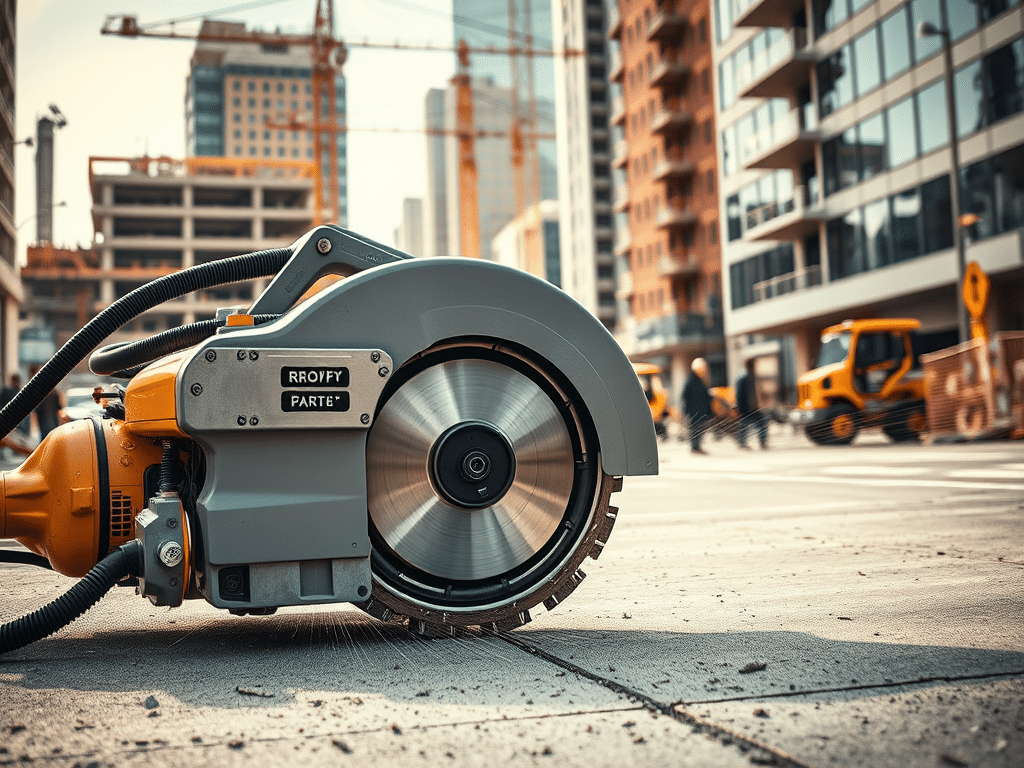
Circular cutting systems, for instance, have transformed how repairs are done on city streets and underground utilities. Instead of using rough rectangular cuts that weaken pavement edges, these systems create perfectly round openings that distribute stress more evenly once filled. This small geometric change leads to massive improvements in longevity. What once might have been a short-term patch can now last for years longer because the structural integrity around the repair remains intact.
Precision cutting doesn’t just reduce waste and labor; it also lowers the risk of costly rework. By focusing on controlled removal rather than brute force, contractors protect the long-term health of infrastructure and the surrounding environment.
The Evolution of Controlled Demolition
As urban landscapes continue to grow and age, the demand for efficient and environmentally responsible demolition methods has soared. Controlled demolition bridges the gap between heavy-handed destruction and careful deconstruction. It’s no longer about tearing down walls and hauling debris; it’s about understanding how to dismantle structures safely, recycle materials efficiently, and prepare sites for reconstruction with minimal disruption.
This level of precision has become especially valuable in residential and light commercial settings, where space and safety are critical concerns. Contractors are now relying on specialized equipment that can remove concrete, drywall, or flooring without releasing harmful dust or causing structural instability in adjoining spaces. These systems require a blend of mechanical expertise and material science understanding to ensure that each cut and removal action serves a long-term purpose.
The same mindset applies to selective home demolition and renovation projects. It’s not just about making room for something new but doing so with care and calculation. Companies that focus on precision teardown work reflect this philosophy by combining safety, efficiency, and client-focused planning, as seen in services offered at http://www.rosecityhomedemo.com.
From Removal to Reinvention
One of the biggest misconceptions about demolition and cutting work is that it’s purely destructive. In reality, these processes are the first acts of reinvention. Every cut, lift, and removal step contributes to the quality and efficiency of what comes next. When materials are taken apart with intention, they can be reused, recycled, or disposed of responsibly.
The rebuilding phase benefits enormously from precise preparation. For example, when roads or manhole structures are cut using accurate circular methods, the new material bonds more seamlessly, resulting in smoother finishes and less chance of cracking. Similarly, when a home is deconstructed thoughtfully, the next build can start on a cleaner foundation, both literally and environmentally.
Rebuilding isn’t just about constructing something new. It’s about optimizing what already exists. With precision tools, contractors can reinforce existing infrastructure instead of completely replacing it, saving municipalities and homeowners time, money, and resources.
The Human Element in Modern Construction
Despite all the technological advancements, skilled hands and sharp minds remain at the heart of every project. The people behind the machines are what transform ideas into reality. Whether operating heavy cutting equipment on public roads or performing interior demolition inside a family home, the goal remains the same: to do the job safely, efficiently, and correctly the first time.
Training and safety standards play a huge role here. The new generation of construction professionals understands that science and craftsmanship must coexist. They rely on data to make decisions, but they also bring experience and intuition that machines can’t replicate. Every time they assess a surface, adjust cutting depth, or plan a removal strategy, they are balancing precision with practicality.
Modern contractors also recognize the importance of communication. Clear project planning, client updates, and transparent cost breakdowns are all part of what makes a build “last.” After all, longevity in construction doesn’t just refer to physical materials; it’s also about trust, accountability, and professionalism.
Sustainability Through Smarter Techniques
Sustainability has become a driving force behind the evolution of cutting and removal technology. Old practices often produced excessive waste and environmental damage, but today’s methods focus on conservation. By minimizing unnecessary destruction, workers can preserve materials, reduce landfill contributions, and extend the usable life of infrastructure.
Circular cutting, targeted demolition, and selective rebuilding all contribute to a more sustainable industry. These methods reduce emissions, noise pollution, and energy consumption while increasing efficiency. The shift toward eco-conscious construction isn’t just a passing trend; it’s a necessary step for cities and builders aiming to meet modern environmental standards.
Even small improvements in technique can make a major difference. For example, reducing overcutting during street repairs keeps more material intact, which means fewer truckloads of waste and less carbon output. Similarly, recycling concrete or repurposing structural components during home demolitions significantly lowers environmental impact.
Building a Future That Endures
At its core, the science of cutting, removing, and rebuilding is about respect—for materials, for people, and for the structures that connect communities. Every project is an opportunity to apply smarter methods, learn from past mistakes, and build with greater intention.
When construction professionals focus on precision instead of force, they create outcomes that stand the test of time. From the streets we drive on to the homes we live in, every cut and every repair holds the potential to extend durability and improve safety. The key lies in embracing innovation while preserving the craftsmanship that defines great buildings.
In the end, being “built to last” isn’t just a phrase—it’s a mindset. It’s about understanding that real strength comes from the unseen details: the way something is cut, the care taken in its removal, and the purpose behind its reconstruction. The science of it all ensures that what we build today continues to serve, protect, and inspire for decades to come.
Discover more from The Cameron Journal
Subscribe to get the latest posts sent to your email.




