
From food packaging to kids’ toys, there are many different ways in which plastic is used in today’s products. There are also a variety of different manufacturing processes used to make these plastic products. This post compares 7 different methods of plastic manufacturing – including their uses and their costs – to help you choose the right one.
Injection molding
Injection molding involves injecting molten plastic into a mold. It can be an efficient manufacturing process for creating complex plastic parts like bottle caps, combs and toys. This process is most cost-effective when used for large batches.
Blow molding
Used to create hollow plastic parts like bottles and detergent containers, this manufacturing process involves inflating a tube of plastic within a mold in order to fit the mold’s shape. It can be relatively low cost and is often used in simpler smaller batches than injection molding.
Extrusion
Extrusion involves pushing molten plastic through a die to create a continuous shape such as a tube or sheet. Common examples include medical extrusion for tubes and pipes, as well as cables and PVC plumbing. Extrusion is typically used for simple repeating shapes.
Rotational molding
This manufacturing process can be used to make hollow plastic parts without seams. This is achieved by placing molten plastic into a rotating mold so that it coats all the sides of the mold. It is sometimes used as an alternative to blow molding when creating fairly simple plastic parts like troughs and tanks.
Vacuum forming
Vacuum forming involves taking a heated plastic sheet and placing it over a mold, and then using suction to pull the sheet downwards so that it fits to the mold. It is most commonly used to make plastic packaging such as blister packs and clamshell packaging. Vacuum forming is known to be one of the most cost-effective plastic manufacturing processes.
Plastic welding
When joining together two plastic parts, a process known as plastic welding may be used. This involves using a plastic welding gun that is often operated by hand. Examples of uses include welding two sections of plastic piping together or two parts of a toy together. Plastic welding can also be used to repair broken plastic parts in some cases.
3D printing
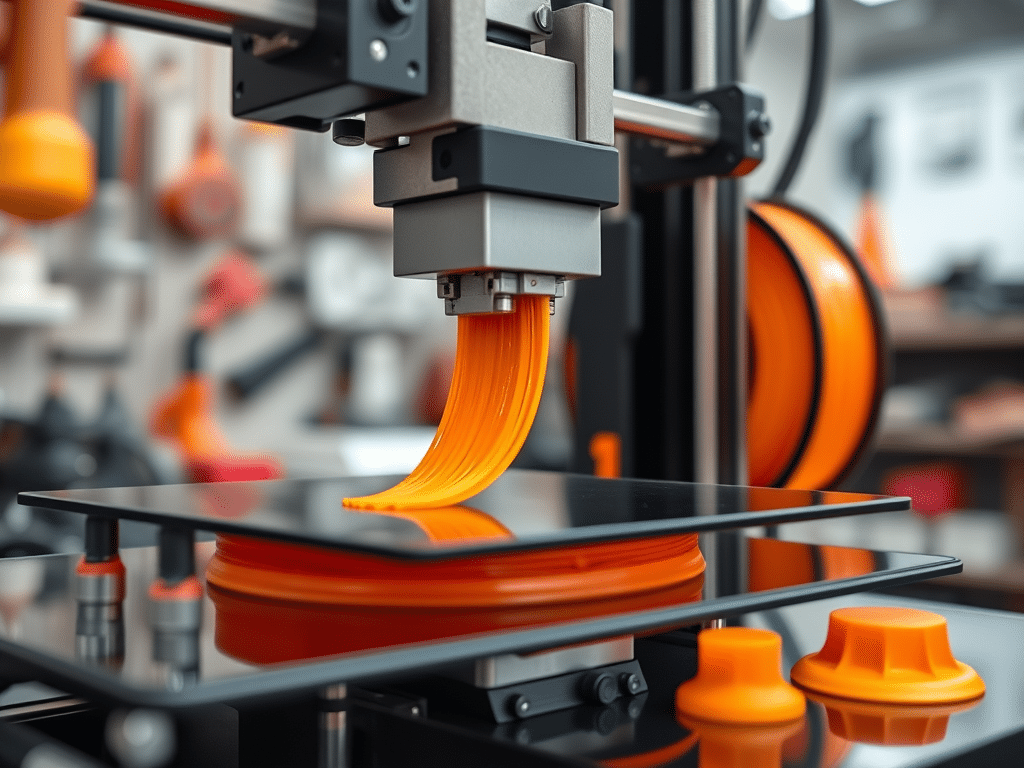
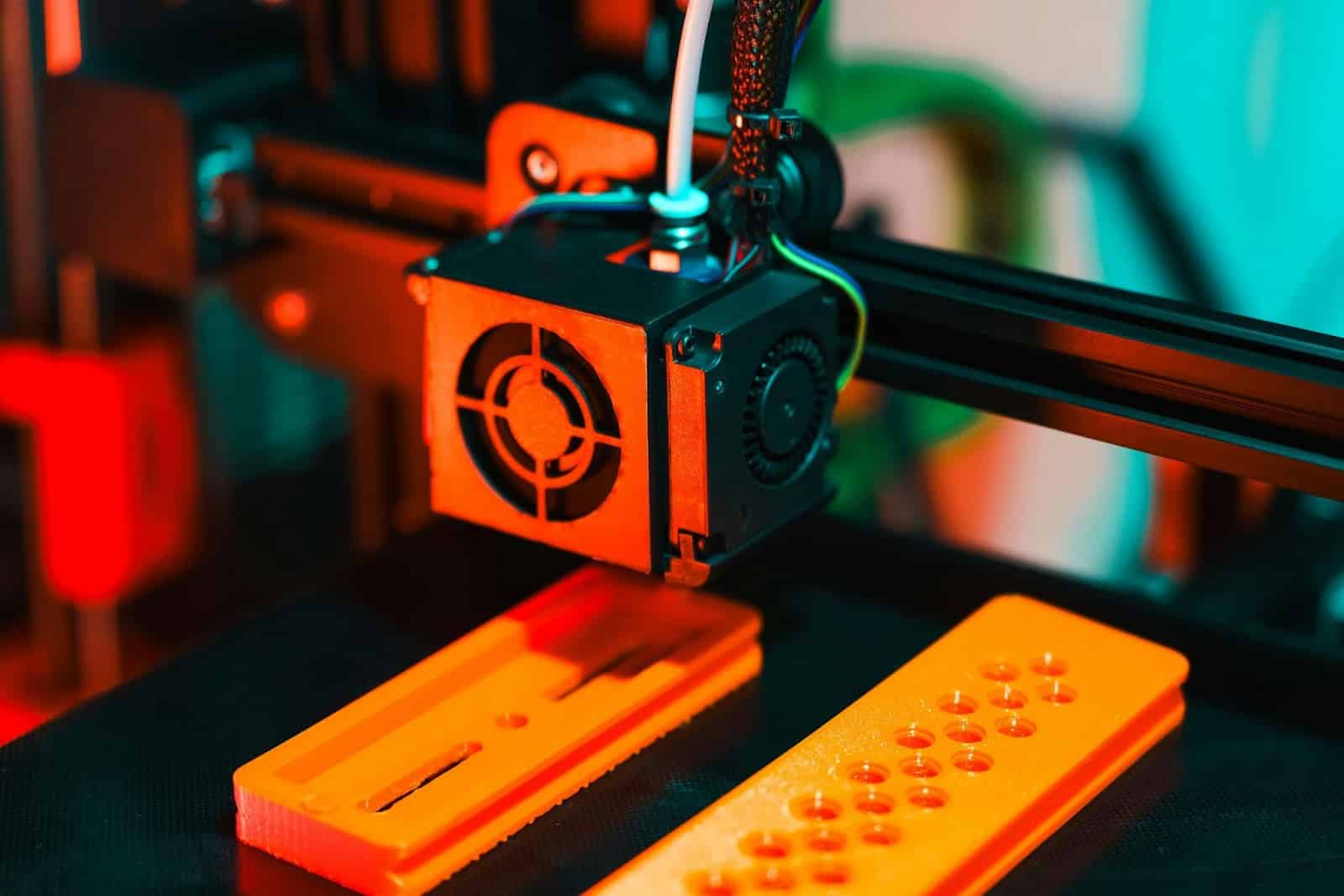
3D printing can be used to create highly complex plastic shapes that cannot be achieved easily through other plastic manufacturing processes. It can be used to create one-off custom parts ranging from automotive parts to prosthetics by feeding it digital designs – the machine then ‘prints’ the object by digitally scanning each cross-section and depositing plastic in layers. This is the most modern plastic manufacturing process and it is rapidly becoming more popular.
Which plastic manufacturing process should you choose?
The best plastic manufacturing process for your needs depends on the complexity of your product, the size of the batch you need and your budget.
The likes of extrusion, blow molding and vacuum forming are often used to manufacture simple parts in bulk. Processes like injection molding, rotational molding and 3D printing are usually used for smaller complex orders. Plastic welding is meanwhile the most effective way to join two plastic parts together.
Discover more from The Cameron Journal
Subscribe to get the latest posts sent to your email.




