Key Takeaways
- Clarifying your lifestyle needs is crucial when searching for the ideal waterfront property.
- Waterfront features, maintenance demands, and flood risks are unique factors that need careful evaluation.
- Understanding local regulations and working with specialized real estate professionals streamlines the buying process.
- Thorough research and property inspections safeguard your investment and future enjoyment.
Understanding Your Lifestyle Needs
Choosing a waterfront property starts with a clear vision of your ideal lifestyle. Some buyers seek a peaceful escape, craving the calming sounds and sights of the water, while others prioritize direct access to boating, fishing, or water sports. Before beginning your search, create a list of must-haves and preferences that reflect your aspirations, family needs, and the activities you envision in your new setting. The market for Hilton Head Island homes for sale offers a diverse range of options, from idyllic retreats to active waterfront communities, making it important to match your goals to available properties in your chosen area.
It’s also wise to consider how frequently you will use your waterfront home—will it serve as a primary residence or a seasonal getaway? Factors such as commuting distance, accessibility, and proximity to essential services should influence your shortlist of potential properties. In popular destinations like Hilton Head Island, inventory can shift seasonally, so timing your search with your goals in mind is key.
Evaluating the Property’s Waterfront Features
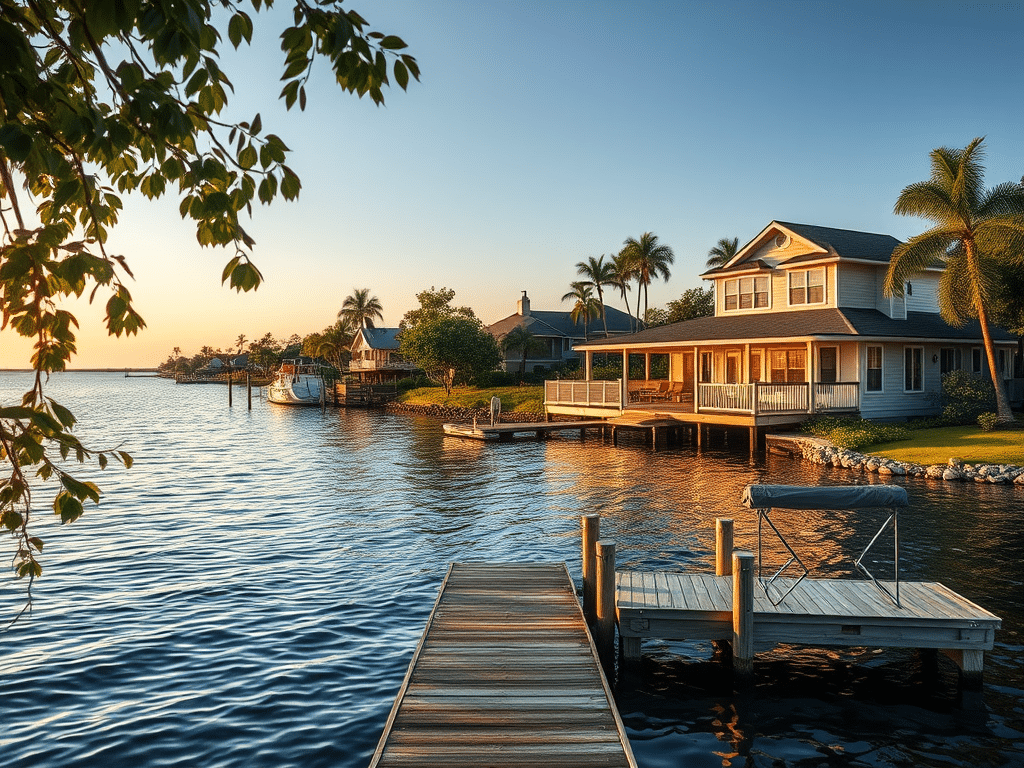
Waterfront homes can vary significantly based on the type of water body they border—whether it is an ocean, river, lake, or sound. Each comes with its unique set of advantages and challenges. For instance, oceanfront properties may offer stunning vistas and sandy beaches but could require more intensive maintenance due to salt spray and erosion, while lakeside homes might prioritize fishing access or private docks. Carefully inspect the quality and accessibility of any existing docks, piers, or seawalls, and review whether the property has deeded water rights, shared access, or private frontage. These details can dramatically affect your enjoyment and use of the property. For more insights, see HGTV’s waterfront buying tips.
Restrictions and allowances for building, dredging, or mooring boats can vary by community and water type. Be sure to inquire about existing or potential environmental protections, as these can impact your plans and the future value of your property.
Researching Local Regulations and Environmental Factors
Waterfront homes are subject to a complex web of local, state, and sometimes federal regulations meant to protect natural resources and prevent overdevelopment. Before making an offer, investigate zoning laws, setbacks, and building permits that affect your property. Some communities enforce rules concerning tree removal, landscaping, or hardscaping near the water’s edge, which can limit the changes you can make. Local planning and environmental offices, as well as your real estate agent, can help you decipher these requirements early in your search, saving you from costly surprises.
Assessing Flood Risk and Insurance Requirements
Living near the water brings beauty—and extra responsibility. Waterfront properties often fall within flood zones, which can affect insurance premiums and mortgage qualification. Check FEMA flood maps to find out the property’s designation, and gather multiple quotes for flood insurance, which is typically required even if you pay cash. Beyond premiums, review what is and isn’t covered under various policies, such as damage to outdoor structures or docks. The financial landscape of waterfront insurance can shift rapidly, so stay updated on policy changes to protect your investment.
Considering Maintenance and Upkeep
Owning property by the water means investing in regular upkeep beyond the typical household needs. Moisture, wind, salt, and fluctuating water levels can lead to issues such as corrosion, mold, or erosion. Prepare for ongoing expenses related to structural inspections, dock repairs, pest prevention, and landscaping suited to waterfront environments. Budgeting for professional maintenance can help safeguard both your property’s condition and long-term value.
Exploring the Surrounding Community
The experience of waterfront living is shaped not just by what lies at your back door but also by the character of the surrounding community. Look for amenities such as marinas, golf courses, local shops, and dining that match your lifestyle. Families may prioritize access to schools, parks, and healthcare facilities. Consider seasonal fluctuations as well—some waterfront communities buzz with visitors in the summer but quiet down in off-peak months. Getting to know the area, perhaps through local events or open houses, will strengthen your confidence in making a long-term commitment.
Working with a Specialized Real Estate Agent
Because waterfront purchases involve different complexities than standard real estate transactions, choose an agent who specializes in this niche. According to Investopedia real estate agents bring valuable expertise to the table, helping buyers navigate unique aspects like dock permits or grandfathered rights. Experienced agents can also recommend trusted inspectors, contractors, and legal resources, ensuring every step of the process from identifying suitable listings to negotiating repairs and closing details runs smoothly.
Conducting Thorough Property Inspections
Before closing on your waterfront dream, invest in comprehensive home and site inspections. Look for signs of water intrusion, foundation issues, or shoreline instability. Waterfront homes require special attention to structural elements—especially docks, decks, and outbuildings. Request detailed inspection reports and, if necessary, consult with engineers or waterfront specialists to estimate repair costs and identify potential future risks. This diligence now could save you considerable time and expense later.
Discover more from The Cameron Journal
Subscribe to get the latest posts sent to your email.