
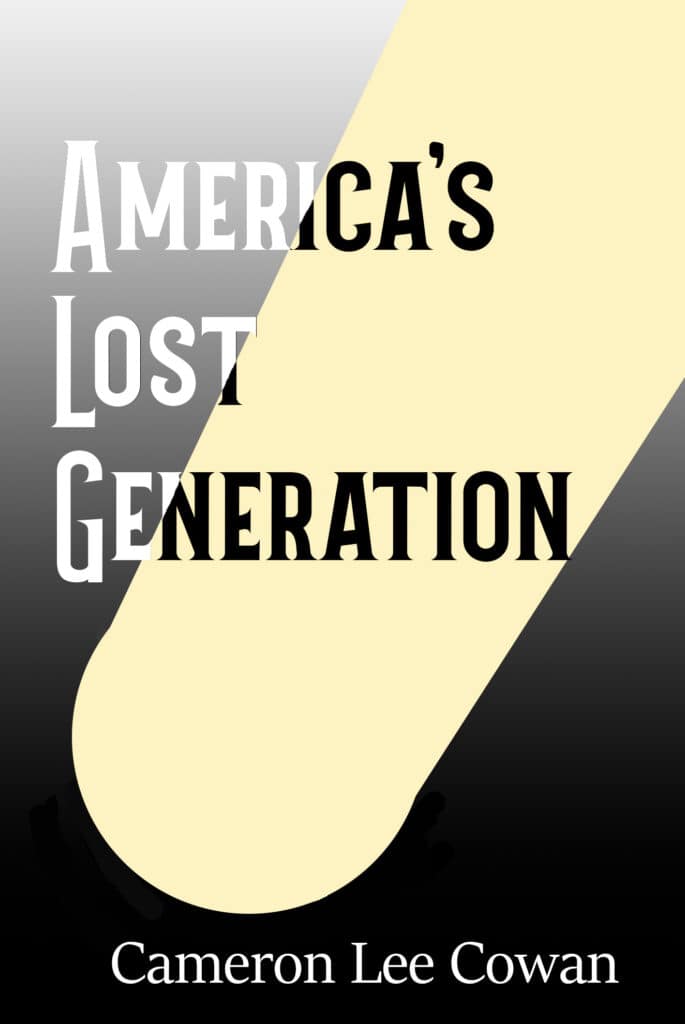
You can pre-order America’s Lost Generation now.
In 2008, the world changed for an entire generation—mine included. The financial crisis that wrecked global markets did more than evaporate retirement funds or seize up the credit markets; it quietly shattered the assumptions and expectations of millions of Millennials who were just setting out on their adult lives. That moment, and the years of aftermath, have become the defining scar tissue of what I call “America’s Lost Generation.”
When I look back at my own story, I see the classic Millennial saga writ small: the jobs that evaporated before I could start them, the “starter homes” that became myth, the career ladder that fizzled into a series of contracted gigs and side hustles. I know I’m not alone. The millions of us who graduated into a job market where even the most basic entry-level role received hundreds (if not thousands) of applicants all carry that same haunted look when resumes disappear into a void. The promise that “hard work pays off” faltered, and the hidden scripts that governed adulthood—steady job, house, family—simply vanished overnight. In many cases, we are finding out that the “hard work” of previous generations was incredible, generational luck.
2008 Changed Everything
It’s hard to overstate just how much the 2008 crash was a generational dividing line. Previous downturns had been tough, yes, but always seemed temporary, something to bounce back from. The difference with 2008 was how thoroughly it reset the rules. According to Pew Research, Millennials (those born between 1981 and 1996) faced double-digit unemployment rates in their most formative career years—many stuck in part-time, contingent, or low-wage work, with no social cushion underneath. As I detail in America’s Lost Generation, more than half of Millennials reported moving back in with family or delaying life milestones like marriage as their financial footing eroded. I use the property crisis in Japan in 1991 as a guide for Millennials and the outlook is not good.
This early instability snowballed. Wages stagnated even as productivity and educational attainment soared—a theme I explore in “Coders are The Factory Workers of the 21st Century” on The Cameron Journal. The critical problem wasn’t just a dearth of jobs after 2008; it was the shifting of risk and uncertainty away from institutions and onto individuals. When I speak to young workers today, I hear the same echo: “We were told to play by the rules, but the rules keep changing.” The trauma of that first downturn still ripples through every aspect of Millennial life.
We know that delayed beginnings beget lasting damage. Studies by the Federal Reserve confirm what many of us have felt in our bones: those who graduate during a recession see lower earnings not just for a few years, but over their entire careers. Compound that with student debt, sky-high rents, and a health care system that feels more like a casino than a safety net, and you get a generation permanently playing catch-up. These aren’t just abstract numbers; they’re lived pain, chronic anxiety, and endless recalibration of dreams.
A Cautionary Tale
There are lessons here if we choose to see them. The US isn’t the only country to produce a “lost generation.” Japan offers a cautionary tale. In the 1990s, after their own asset bubble burst, the Japanese government responded with policies that prized institutional preservation over generational mobility. The result? Two decades of wage stagnation, demographic decline, and a cohort—now in their 40s and 50s—still locked out of traditional adulthood. I spend a whole section of America’s Lost Generation untangling these global patterns because, simply put, no society is immune.
It’s tempting, in some circles, to blame Millennials themselves for this state of affairs—to claim we’re lazy, entitled, or bad with money. The reality is so much more complex. The young people who graduated into that economic wasteland had plenty of ambition and drive; what they lacked was institutional support and a functioning economic system that recognized their value. In the years since, successive policy failures have only deepened the divide.
I’ve always believed in the power of story—a theme I return to in What the Hell is Going On? Stories help us see that generational trauma doesn’t just fade away. It becomes the ground on which new social movements and new demands are built. The Millennial story is one of disruption, adaptation, and, increasingly, quiet anger at the status quo. When I meet readers online or at events, I see the yearning for context and connection, for an honest accounting of what we’ve endured and what comes next.
Final Thoughts
The Great Recession, then, was never “just” a blip on a chart. For my generation, it was the earthquake that split the map and set us all searching for new roadways forward. The only way out is through—and that means demanding the kinds of policy, economic, and cultural shifts that recognize where we’ve been and what was lost along the way.
If you want to dig deeper into these themes, check out my expanded essays on Millennial work, institutional trust, and the stories we tell ourselves on The Cameron Journal and don’t forget to pre-order (or buy if you’re reading this later) America’s Lost Generation. You’ll find community there and, maybe, a bit of hope that our story is not finished.
Discover more from The Cameron Journal
Subscribe to get the latest posts sent to your email.