
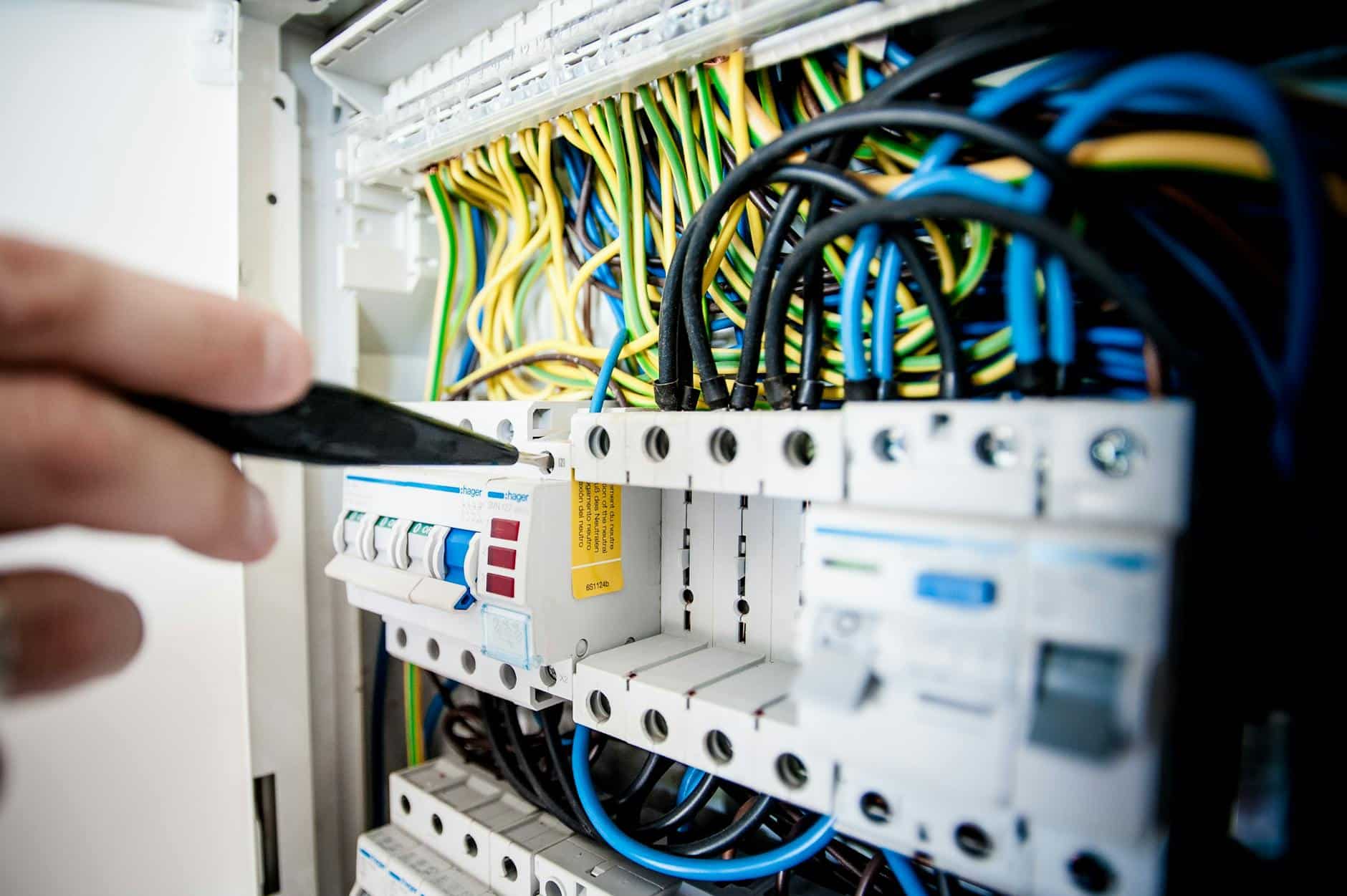
When was the last time you checked your business’s electrical systems? It’s probably not something you think about daily. Yet, electrical testing is one of the most essential tasks for keeping your operations running smoothly and, more importantly, safely. Whether you’re managing an office, a retail space, or a manufacturing facility, regular electrical testing is not just a box-ticking exercise – it’s an investment in safety, efficiency, and compliance.
Protect Your Team and Customers
Safety is a top priority for any business. Faulty electrical systems can lead to serious risks, including fires, shocks, or even equipment failures. Think about it – how would you feel if a preventable electrical fault caused harm to someone in your workplace? Regular testing helps identify potential issues before they turn into hazards. By catching problems early, you can repair or replace faulty wiring, overloaded circuits, or defective equipment, ensuring a safe environment for everyone.
And it’s not just about major disasters. Even small issues, like flickering lights or inconsistent power supply, can indicate underlying problems that might escalate over time. Regular checks from Pattco Ltd ensure your business isn’t unknowingly sitting on a ticking time bomb.
Stay Compliant with Regulations
Compliance with electrical safety regulations isn’t optional – it’s a legal requirement for businesses. Ignoring these obligations can lead to hefty fines, legal challenges, or even shutdowns in severe cases. Routine electrical testing ensures your business meets all necessary standards, protecting you from unnecessary headaches and potential liability.
In most industries, regulatory bodies require businesses to maintain detailed records of their electrical inspections. These records demonstrate that you’re taking the proper steps to ensure safety and compliance. Regular testing not only keeps you on the right side of the law but also gives you peace of mind knowing you’re fully covered.
Improve Energy Efficiency
Are your energy bills higher than expected? Faulty electrical systems could be part of the problem. Equipment that isn’t functioning properly tends to consume more power than necessary, driving up costs and reducing overall efficiency. Regular testing allows you to identify and fix inefficiencies, helping your business save money in the long run.
For example, outdated wiring or poorly maintained equipment can waste significant amounts of energy. By addressing these issues during routine inspections, you’ll optimise energy use across your business. Lower energy consumption isn’t just good for your bottom line – it’s also a step towards becoming a more sustainable operation.
Avoid Costly Downtime
Imagine this: your business grinds to a halt because of an unexpected electrical failure. Whether it’s a power outage, equipment breakdown, or system overload, downtime is expensive and frustrating. The disruption affects productivity, delays operations, and might even impact customer satisfaction.
Regular electrical testing acts as a preventative measure. It allows you to spot and address vulnerabilities before they result in unexpected failures. By staying proactive, you minimise the risk of downtime and keep your business running like clockwork. Isn’t it better to invest in routine checks now than deal with the fallout of a complete shutdown later?
Enhance Equipment Lifespan
Electrical equipment is expensive, so you want it to last as long as possible, right? Regular testing plays a big role in extending the lifespan of your machinery and systems. Small electrical faults can put unnecessary strain on equipment, causing wear and tear that shortens its usable life. Over time, this can lead to frequent repairs or replacements – and those costs add up quickly.
By identifying and resolving issues early, you’ll protect your investment in high-value equipment. This not only saves money but also ensures your operations remain efficient and uninterrupted.
What Does Electrical Testing Involve?
So, what actually happens during electrical testing? While the specifics can vary depending on your business and equipment, most tests involve inspecting wiring, circuits, and devices for faults or wear. Professionals use specialised tools to measure things like voltage, current, and insulation resistance, ensuring everything is performing as it should.
They’ll also check for compliance with safety standards and highlight any repairs or upgrades needed. After the inspection, you’ll usually receive a detailed report outlining their findings and recommendations. It’s a straightforward process that delivers massive benefits for your business.
Who Should Conduct Electrical Testing?
You might be tempted to handle inspections yourself or delegate the task to a team member, but electrical testing isn’t a DIY job. It requires trained and certified professionals who know exactly what to look for and how to fix potential problems. Hiring qualified electricians ensures the job is done safely and thoroughly.
Not sure how often you need testing? The frequency depends on the type of business you run. High-risk environments like factories or workshops may need more frequent checks than low-risk settings like offices. A professional can help you determine the right schedule based on your specific needs.
How to Get Started
If you haven’t scheduled electrical testing recently, now’s the time to take action. Start by researching reputable electricians in your area. Look for professionals with experience in your industry and make sure they’re properly certified. Once you’ve chosen a provider, set up a regular testing schedule to stay on top of maintenance.
And don’t forget to keep detailed records of every inspection. These documents are invaluable for compliance, insurance purposes, and tracking your equipment’s condition over time.
The Bottom Line: Invest in Safety and Peace of Mind
Regular electrical testing isn’t just a regulatory requirement – it’s a smart, proactive way to protect your business. From improving safety and compliance to boosting efficiency and preventing costly downtime, the benefits far outweigh the costs. By staying on top of electrical maintenance, you’re not just safeguarding your operations – you’re also creating a safer, more efficient workplace for everyone involved. So, ask yourself: is your business due for a check-up? It might just be the best decision you make this year.
Discover more from The Cameron Journal
Subscribe to get the latest posts sent to your email.




