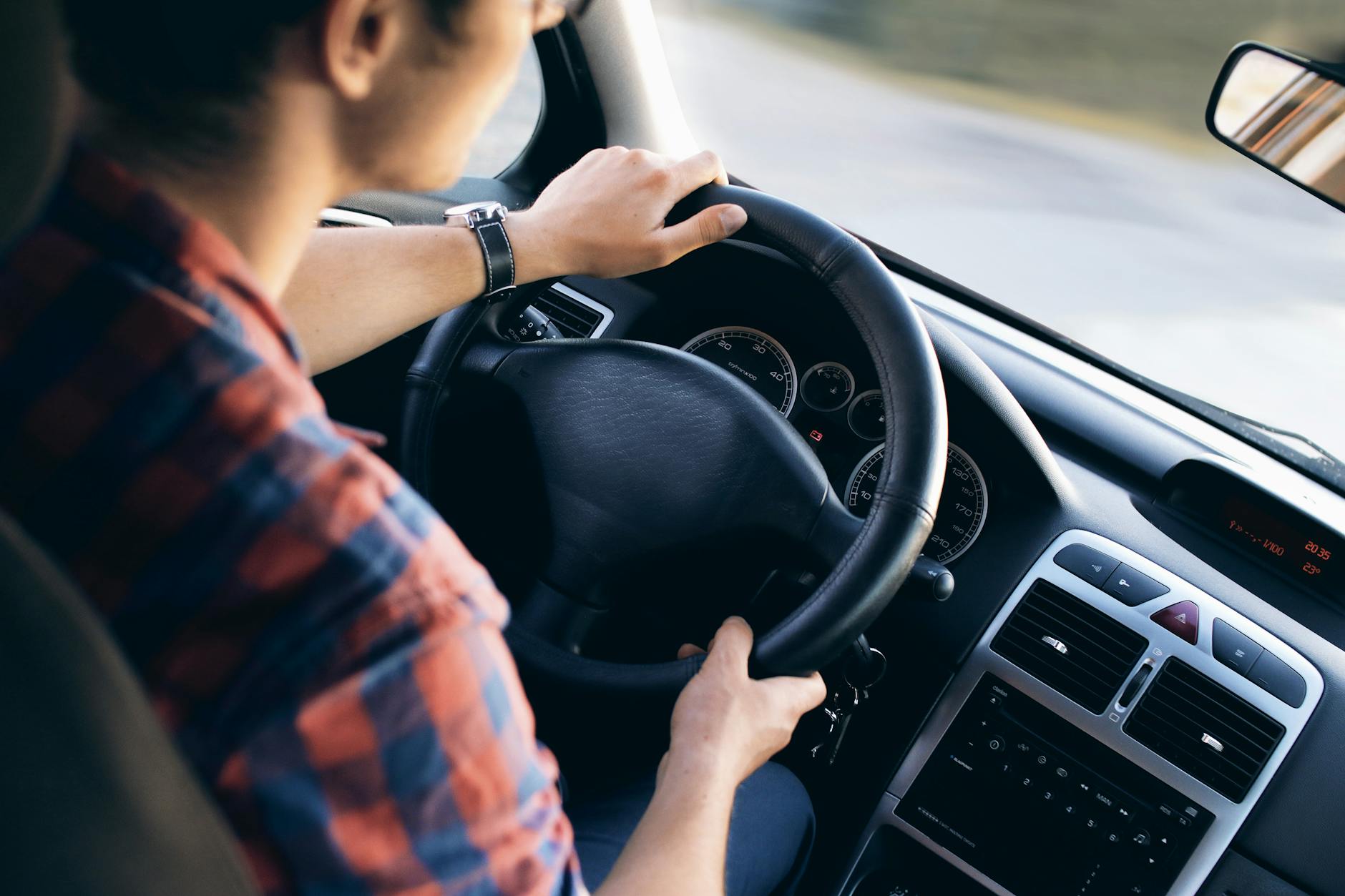

There are two facts to accept when you begin learning to drive. The first is that you may not nail your attempt to pass the first time around, and that goes for both the theory and practical portions of your main test.
The second is that you’ll need to pay for the privilege of learning how to drive, at least in most cases. Not all countries have a driving school baked into their educational system, it’s a private and optional course to complete when you deem it most appropriate.
Moreover, paying for private lessons, even if just to review your progress learnt with a family or friend member, is appropriate before booking your test. However, that doesn’t mean there aren’t ways to save money if you deem that essential. Let’s consider how to achieve that, below:
Consider Intensive Driving Courses
Anyone looking to make progress quickly will find that intensive driving courses can sometimes offer more value than a long, drawn-out schedule. That’s because instead of spreading lessons across weeks or months, you’re learning in a condensed time frame which helps keep everything fresh in your mind and gives less time for anxiety or bad habits to take root. That momentum is helpful for some people, especially when you’re trying to get used to traffic patterns or struggling with certain maneuvers, because you’re not returning to the wheel after long breaks where everything feels unfamiliar again.
These kinds of courses are also easier to plan around if you’re working part-time, off for the summer, or on a study break, because the time commitment is more focused. You may find that looking into whether the upfront cost ends up being cheaper than booking weeks of separate lessons, especially if the pass rate with certain instructors is solid.
Go For Practice Practical Test Services
While mock tests might sound a little unnecessary if you’re already doing lessons, they’re one of the more valuable things to pay for as you get closer to your test date.That’s because this kind of mock exam under test-like conditions helps you get used to that structure and pressure, and the instructor will usually give you direct feedback in line with how a real examiner might judge your driving.
You can think of it less like another driving lesson and more like a final prep round before the big day, and there’s value in that if you’re the type to get nervous or overthink things once there’s someone in a high-vis jacket sitting beside you with a clipboard. If you’re curious about that at all, here’s more info for test setups and how to find them locally.
Practice With A Relative Or Friend (Safely)
Driving with a family member or a friend can be an extremely helpful, free way to build confidence behind the wheel, as long as it’s done safely and legally and your country allows for it, of course.
Also keep in mind that whoever’s in the passenger seat needs to meet the official requirements, usually meaning they’ve held a full driving license for a few years and are over a certain age. The real risk here is that they can’t stop the car for you because they don’t have a second pair of pedals or a steering wheel like some instructor cars do. It’s also good to stay off the roads and practice on more quiet lanes or emptier car parks/parking lots where you won’t have to worry about causing damage.
Your connection’s temperament matters as well, as there’s no point heading out with someone who’s going to get agitated every time you stall at a junction, and ideally, they shouldn’t be introducing bad habits either, so pick your co-driver with care.
Hone In On The Theory
The theory portion might seem like the easier side of the whole process, and it can certainly be less nerve wracking than you full test day, but it’s still an exam you’ll need to clear before sitting the practical test, and failing it more than once can start to get expensive. That’s why it helps to treat it seriously from the start, using whatever learning tools suit you best. There are both great apps and books now to help you, because they can mimic the test format quite well.
Better yet, a fair amount of this material is free or very low-cost. The earlier you start dipping into theory questions, the better your retention, and it also makes your actual driving lessons smoother because you already understand the basics of what’s expected in different traffic situations.
Try To Keep The Lessons Frequent & Don’t Take Long Gaps
Spacing your lessons too far apart might feel more convenient if your schedule’s packed, but it does slow down your learning and really can make your lessons less productive. It’s not unlike trying to learn a language in which you need that repetition and routine to stay sharp, otherwise each lesson ends up being partly a refresher. Moreover, if you go months without lessons, maybe your instructor will no longer be available and then you have to find a whole new person and build that relationship up again.
A good rule of thumb is to have at least one lesson a week, preferably two if you can do it, and avoid stopping for weeks at a time unless it’s unavoidable. The consistency will absolutely help you build confidence faster and always gives you the chance to iron out those small mistakes that come with inexperience.
In the end, the longer you’re in limbo between starting your lessons and passing your test, the more likely you’ll end up spending more overall. So if cost is something you’re really trying to limit, staying focused and giving it a proper go each time matters.With this advice, we hope you can save more money while learning to drive. Some investment can also pay off, like opting for the “pass plus” route after getting your license, which may help you save more money on your insurance long term and pay for itself. We wish you luck with your efforts!
Discover more from The Cameron Journal
Subscribe to get the latest posts sent to your email.