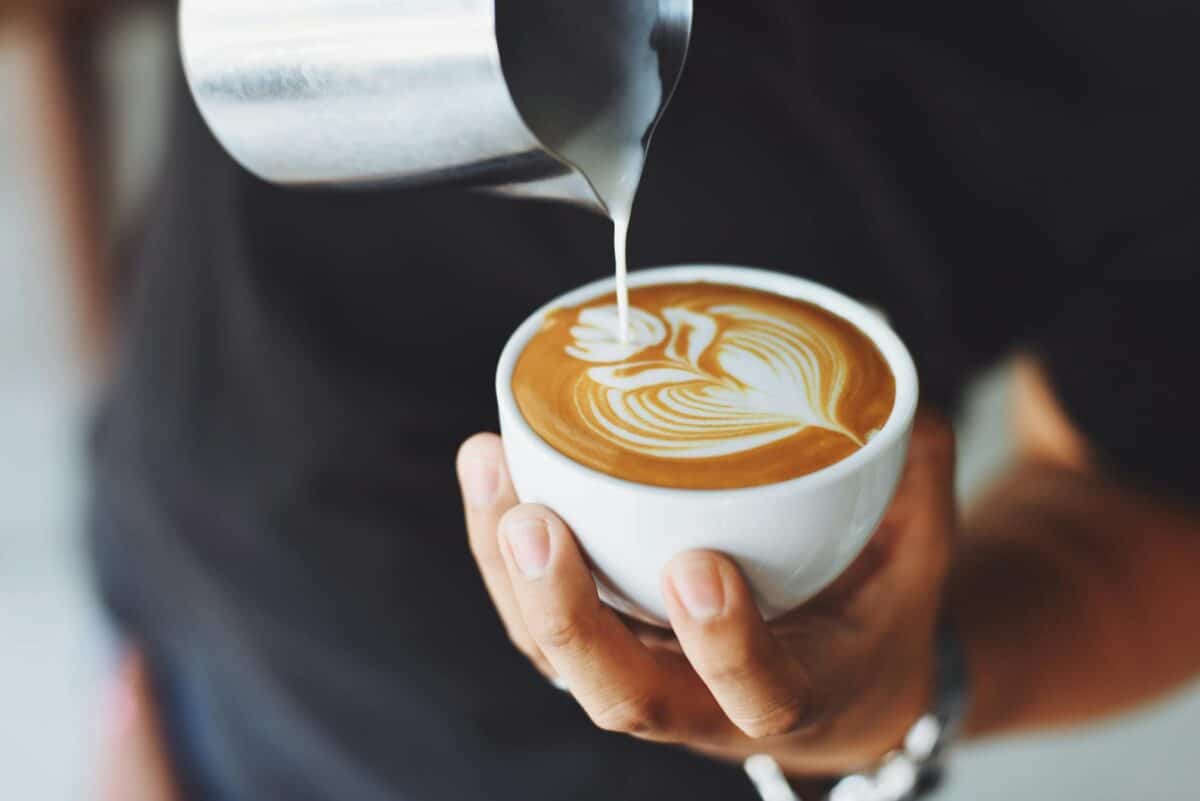
With National Coffee Day around the corner and the retail coffee market worth $49 billion, the personal-finance website WalletHub today released its report on 2024’s Best Coffee Cities in America, as well as expert commentary, to highlight the best places to enjoy a cup of Joe.
WalletHub compared the 100 largest cities across 12 key indicators of a strong coffee culture. The data set ranges from coffee shops, coffee houses and cafés per capita to the average price per pack of coffee to the share of residents with coffee makers at home.
Top 20 Cities for Coffee Lovers
| 1. Portland, OR | 11. Oakland, CA | |
| 2. San Francisco, CA | 12. Los Angeles, CA | |
| 3. Seattle, WA | 13. Pittsburgh, PA | |
| 4. Honolulu, HI | 14. San Diego, CA | |
| 5. Orlando, FL | 15. Minneapolis, MN | |
| 6. Tampa, FL | 16. Boston, MA | |
| 7. Long Beach, CA | 17. Atlanta, GA | |
| 8. New Orleans, LA | 18. Sacramento, CA | |
| 9. Austin, TX | 19. Chicago, IL | |
| 10. Miami, FL | 20. Las Vegas, NV |
Best vs. Worst
Fremont, California, has the highest average annual spending on coffee per household, which is 3.7 times higher than in Detroit, the city with the lowest.
Chesapeake, Virginia, has the highest share of households that own a single-cup/pod-brewing coffee maker, which is 1.6 times higher than in Newark, New Jersey, the city with the lowest.
Portland, Oregon, has the most coffee and tea manufacturers (per square root of population), which is 21 times more than in Tulsa, Oklahoma, the city with the fewest.
To view the full report and your city’s rank
“Coffee has become a staple of American culture, helping people stay energized for the workday and bond with friends or dates. But the costs of having one or more cups of Joe daily can add up, especially as prices inflate. In the cities that are craziest about coffee, the average household may spend as much as $280 per year on the beverage. At the same time, as much as 30% of the population has machines for making coffee at home.”
–
“Portland, OR, is the best coffee city, in large part because it has an extremely high number of affordable coffee shops that are rated at least 4.5 stars out of 5. In addition, over 24% of the population owns an electric coffee grinder, the ninth-highest percentage in the nation, and nearly 30% of residents own a single-cup or pod-brewing coffee maker. Overall, households in Portland spend an average of over $170 per year on coffee, the 18th-most in the country.”
– Chip Lupo, WalletHub Analyst
Expert Commentary
What tips do you have for a person who wishes to enjoy their daily “java” cup while on a budget?
“If you are looking to save some cash but still want to enjoy your daily cup, brewing at home is the way to go. In fact, that is what I do before I take off to work! You can buy quality beans in bulk and experiment with different methods – like using a French press or a pour-over setup. It is surprising how much better homemade coffee can taste once you get the hang of it!”
Richie Karaburun, Ph.D. – Clinical Assistant Professor, New York University
“Start by calculating your coffee spending. While the daily cost may seem small, when you calculate it over a year, the total can be quite surprising. For instance, one of my employees was buying two cups of coffee every day at work. After doing the math, we discovered he was spending over $2,000 annually. Brewing your own coffee costs about a tenth of that. The following week, I bought our first office coffee machine, which was a huge cost saver.”
Christopher Courtney, Ph.D. – Collegiate Associate Professor, Virginia Tech
In the current economic environment, is opening a coffee shop as a first business for young entrepreneurs still a good idea? Or are most markets already oversaturated?
“Like any startup business, it is important to know the target market you are serving. If there are gaps in the locations of coffee houses, then there is the probability of success serving a community that does not want to travel far for a good cup of coffee. I personally do not feel a coffee shop is an ideal business for a young entrepreneur because the market is not only saturated but now competitive since places like Starbucks have partnered with grocery store chains.”
Lonell Johnson – Entrepreneurship Innovation Center Specialist, Bowie State University
“It is definitely a tough market, but there is still opportunity out there. If a young entrepreneur has a fresh idea – whether it is a unique blend, a great location, or a strong community vibe – it can still work. But doing your homework is key. Know your market and what makes your spot different from the rest.”
Richie Karaburun, Ph.D. – Clinical Assistant Professor, New York University
What are the main coffee and tea marketing and industry trends for 2024?
“Key trends for 2024 include a focus on sustainable packaging, cold brew and nitro coffee, and health-conscious innovations. However, trends will evolve, so it is crucial to have a system in place that allows you to adapt. Technological changes, such as online ordering, and shifts in consumer experience expectations are just as important. While people may come in for the coffee, they will return for the overall experience.”
Christopher Courtney, Ph.D. – Collegiate Associate Professor, Virginia Tech
“Looking ahead, I think we will see more focus on sustainability – like eco-friendly packaging and ethically sourced beans. There is also a growing trend for health-conscious options, like plant-based milks and functional beverages with added health benefits.”
Richie Karaburun, Ph.D. – Clinical Assistant Professor, New York University
Discover more from The Cameron Journal
Subscribe to get the latest posts sent to your email.