A roof rarely goes from fine to failed overnight. Most systems give clear warnings first, and the right response depends on the roofing material, the age of the assembly, and where the damage is showing up. A localized leak around flashing is a different problem than widespread surface wear, exposed underlayment, or repeated repairs across multiple slopes.
For property owners and builders, the goal is simple: repair a roof that still has service life left, and replace one that is already past the point where patching makes financial sense. In Southern California, strong UV, heat cycling, wind, and bursts of heavy rain tend to expose those differences fast.
Start with the pattern, not just the leak
One missing component or one puncture can often be repaired. Replacement becomes more likely when problems are spread across the roof, when the substrate may be compromised, or when matching materials is difficult because the roof is near the end of its lifespan.
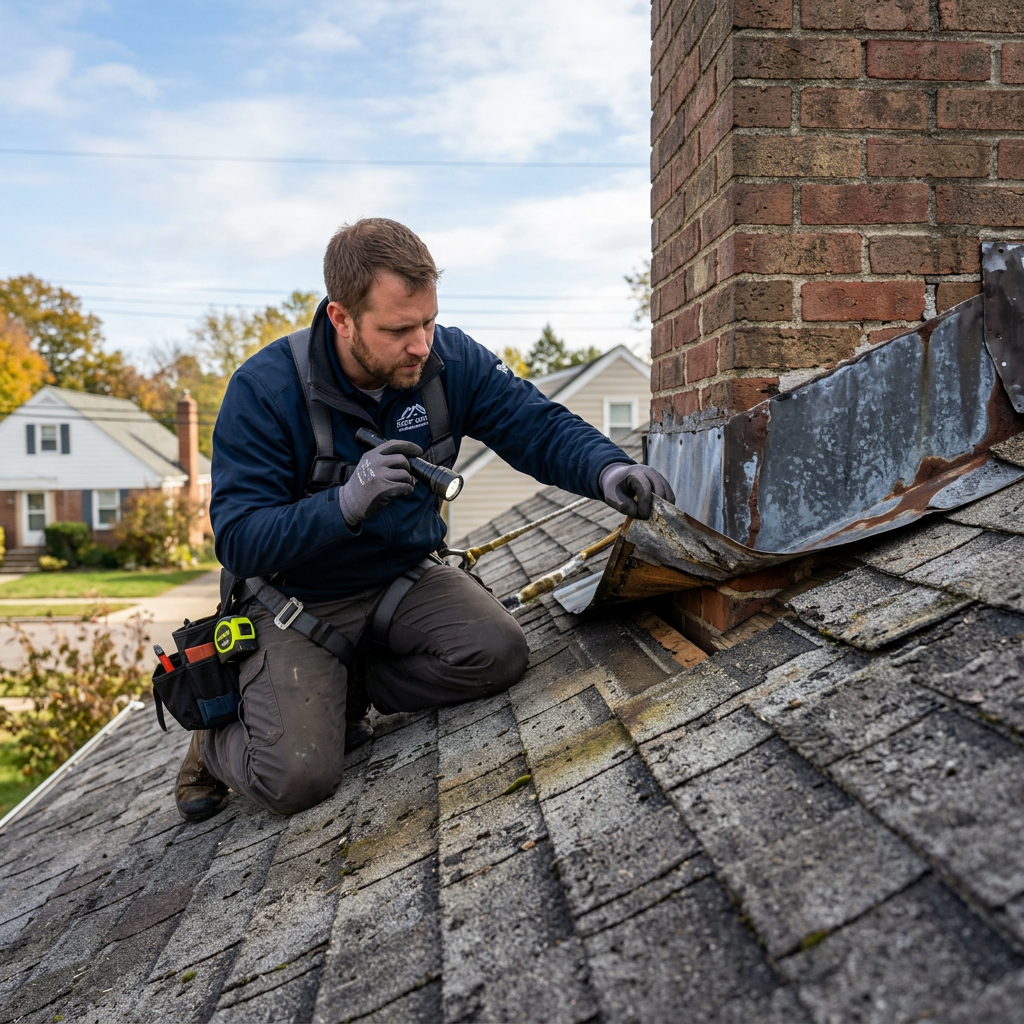
- Usually points to repair: isolated storm damage, a small flashing failure, a few slipped or broken units, or one leak source that can be traced.
- Usually points to replacement: repeated leaks in different areas, broad surface deterioration, sagging, trapped moisture, or repairs that keep stacking up year after year.
What the signs look like by material
Asphalt shingles
Asphalt shingles are often repairable when damage is limited to a few tabs or one section affected by wind. Replacement becomes the better call when granule loss is widespread, shingles are curling or cracking across multiple elevations, or the mat is becoming exposed. If the roof has already had several patch jobs, the next repair may only buy a short amount of time.
Clay and concrete tile
Tile roofs can last a long time, but the decision is not just about the tile itself. A handful of cracked or slipped tiles usually means repair. The bigger issue is often the underlayment beneath the field tile. If leaks are showing up in several areas, if underlayment has aged out, or if fastening and flashing details are failing throughout the roof, replacement or a lift-and-relay may be more practical than spot work. Readers comparing tile roofing materials should pay close attention to the condition of the whole assembly, not just the visible surface.
Metal and copper
Metal roofing systems often earn a repair first approach. Loose fasteners, failed sealant at penetrations, and isolated flashing issues can often be corrected. Replacement becomes more likely when panels are badly corroded, seams are separating repeatedly, or movement has caused persistent leak paths. On architectural systems, panel profile availability also matters. Matching an older roof is not always easy. For projects evaluating metal roofing materials, compatibility between panels, trim, and drainage details is a major part of the decision.
Slate
Natural slate is often worth repairing when the field is largely sound and only a limited number of slates have broken or slipped. Replacement enters the picture when fasteners are failing across broad areas, the roof has chronic leak history, or previous repairs used mismatched materials that created new weak points. With slate roofing materials, experienced assessment matters more than quick visual guesses.
What to do before spending money twice
Have a licensed roofing contractor inspect the roof system, including flashing, underlayment, drainage, and deck condition where accessible. Ask for photos, a repair scope, and a replacement scope if the answer is borderline. Material sourcing also affects the outcome, especially when matching existing profiles or planning a full reroof under California and local jurisdiction requirements. A supplier such as LA Roofing Materials can support contractors with material options, but final repair-versus-replacement decisions should be based on field conditions, code requirements, and how much reliable service life is realistically left.
Discover more from The Cameron Journal
Subscribe to get the latest posts sent to your email.