
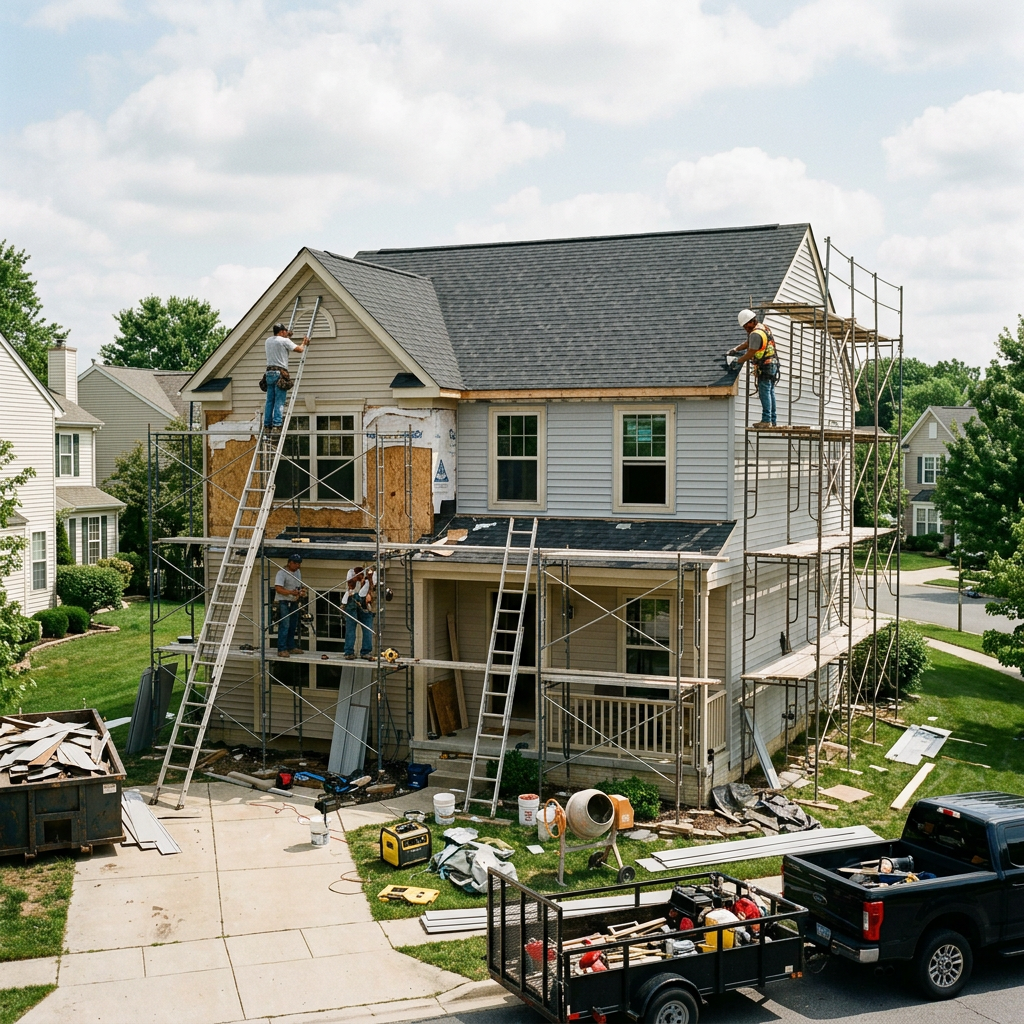
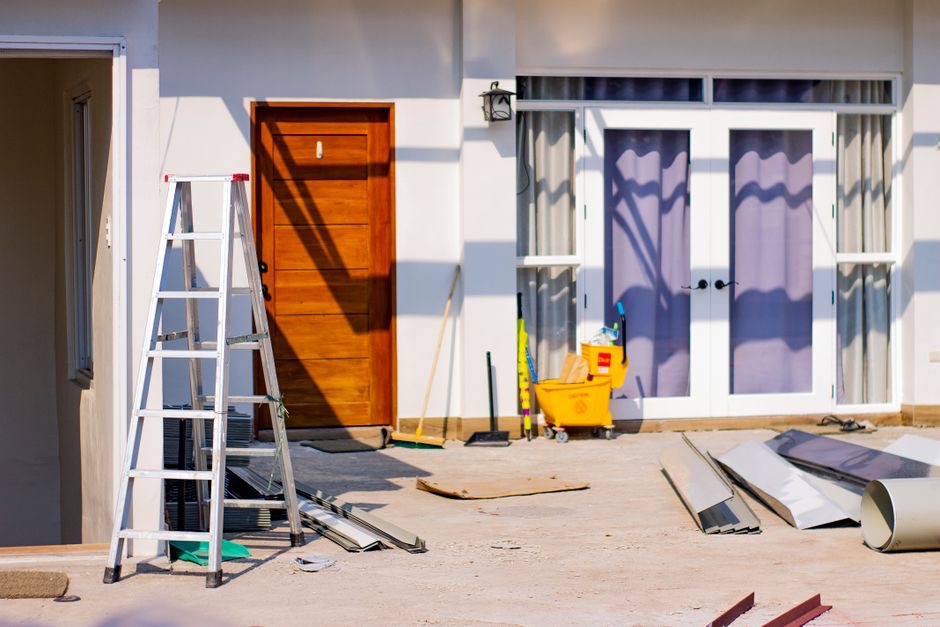
Giving your home’s exterior a refresh sounds exciting until you picture ladders, dust, surprise costs, and that one mysterious stain near the gutter. The good news is that you can make the whole process much easier with a little planning. When you break the project into simple steps, it stops feeling like a giant mountain and starts feeling more like a manageable weekend playlist. Here’s how to plan an exterior upgrade without turning your life into a construction circus.
Start with the right team
The easiest way to lower stress is to choose the right people before the first hammer ever swings. If your project involves roofing, siding, windows, or storm damage repairs, working with a company like XL Contracting can help you move from confusion to a clear plan. A good contractor should explain the process in plain English, not in dramatic builder riddles.
You’ll want to ask how they handle estimates, timelines, cleanup, and changes that pop up mid-project. Pay attention to how they communicate. If someone takes forever to return a call before you hire them, that’s not a great sign for later.
It also helps to read reviews with a practical eye. Look for comments about reliability, respect for the property, and whether the final result matched the promise. Fancy sales talk is nice, but showing up on time is even nicer.
Know what needs fixing
Before you choose colors or dream about instant curb appeal, you need to know what actually needs attention. Walk around your home slowly and look at it like a detective with a coffee. Check the roofline, siding, windows, trim, gutters, and any spots where water might sneak in.
A few common warning signs include:
– missing or curled shingles
– cracked or warped siding
– peeling paint near trim
– water stains on ceilings or exterior walls
– drafty windows
– gutters pulling away from the house
You don’t need to become a home inspector overnight. You just need a basic sense of what looks worn, loose, or suspicious. Take photos as you go. That makes it easier when you talk with contractors later.
If something seems small, don’t assume it is. A tiny leak has a sneaky way of becoming a giant budget goblin.
Set a realistic budget
A smart budget isn’t only about what you want to spend. It’s also about what the house needs right now. Start by dividing the project into two piles: must-fix items and nice-to-have upgrades. A leaking roof belongs in the first pile. Decorative shutters probably don’t.
It’s wise to leave room for surprise costs, especially with older homes. Once work begins, hidden water damage or structural issues may show up like unwanted party guests. A small cushion in your budget can keep that from wrecking your whole plan.
When you compare estimates, don’t focus on the lowest number alone. Look at what is included, what materials are being used, and how long the warranty lasts. A cheaper quote can end up costing more if corners get cut.
Think long term too. Spending a bit more on durable materials or better installation can save you from paying twice later. That’s not glamorous advice, but it is wallet-friendly in the long run.
Pick materials that last
This is where it’s easy to get distracted by pretty samples. Looks matter, sure, but durability matters more. The right materials should work with your climate, your home’s style, and the amount of maintenance you’re willing to deal with.
If you live where storms roll in often, tougher roofing and siding options may be worth the extra cost. If you already know you hate annual upkeep, low-maintenance materials should move to the top of the list. There’s no prize for owning trim that needs constant babysitting.
Try to think beyond this season. Ask yourself how the material will look and perform five or ten years from now. Will it fade easily? Will it hold up to moisture, heat, or snow?
A contractor can help you weigh the trade-offs, but your daily life matters too. The best choice is usually the one that balances appearance, durability, and the amount of future hassle you can actually tolerate.
Plan around your routine
Even a smooth project can be a little noisy and awkward. That doesn’t mean your life has to fall apart while the work gets done. A bit of planning can keep things much calmer.
Think about where workers will park, where materials will be delivered, and how you’ll handle pets or young kids during loud parts of the job. If someone in your home works remotely, you may want to plan around important meetings or set up a backup quiet space.
A few helpful prep steps include:
– move cars away from work zones
– bring in outdoor furniture or decorations
– cover valuables in attic spaces or near walls
– let neighbors know about possible noise
Weather can also shift the schedule, especially with roofing and other exterior work. Try to leave some flexibility in your calendar. Home projects rarely run with the perfect timing of a cooking show. There’s usually less sparkle and more sawdust.
Think beyond curb appeal
A nicer-looking exterior is great, but the benefits often go much deeper. A well-planned upgrade can make your home more comfortable, easier to maintain, and less stressful during rough weather.
New roofing, siding, or windows can help with insulation and drafts. That may lead to more stable indoor temperatures and lower energy waste. You might not throw a party for your utility bill, but you’ll probably appreciate a little less sting each month.
Exterior updates can also protect your home from moisture damage, which is the kind of problem that starts quietly and gets expensive fast. Better materials and solid installation can give you more peace of mind when heavy rain or wind shows up.
Then there’s resale value. Buyers notice a home that looks cared for from the outside. Even if you’re not selling soon, it’s nice to know your project is doing more than just making the front of the house look camera-ready.
Finish with a smart checklist
Before you sign anything, give yourself one last review. This final step helps you avoid rushed decisions and keeps the project grounded in reality. A simple checklist can save you from a lot of future forehead slapping.
Make sure you can answer these questions:
– What exactly is being replaced or repaired?
– Which materials are included?
– What is the estimated start and finish time?
– How are cleanup and debris handled?
– What warranties are provided?
– Who is your main point of contact?
Also review the written estimate carefully. Check payment terms, scope details, and any notes about weather delays or change orders. If something sounds vague, ask for clarification before moving forward.
The goal isn’t to make the project perfect. Home upgrades rarely are. The goal is to make it organized, realistic, and far less stressful. When you plan well, your exterior project stops feeling like chaos in a tool belt and starts feeling like progress you can actually enjoy.
Discover more from The Cameron Journal
Subscribe to get the latest posts sent to your email.




