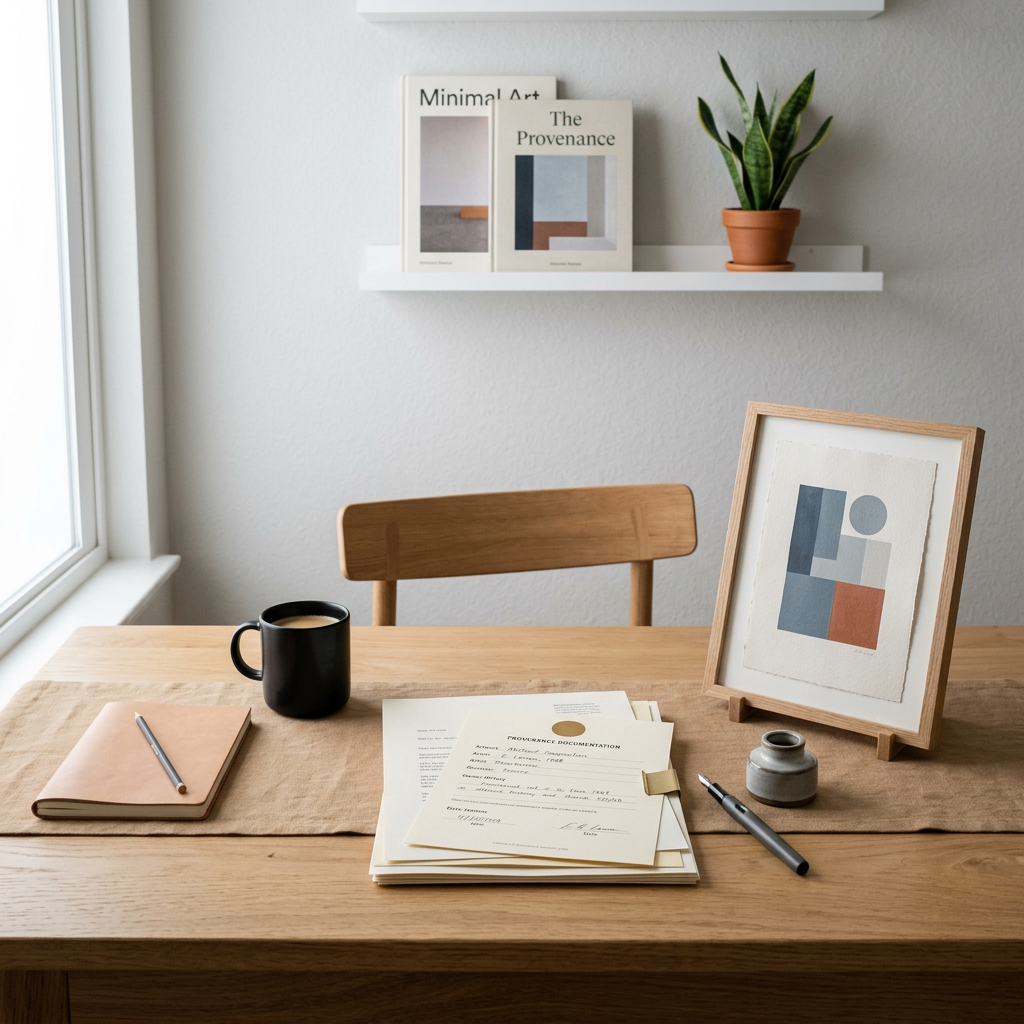
The difference between having art on your walls and starting an art collection is akin to the difference between owning a couch and curating an interior space. Both may serve the same functional end, but only in the latter do we see individual pieces can be appreciated for their unique beauty and how they contribute to a greater whole.
Define Your Curatorial Thesis Before Your Next Purchase
The most significant change intentional collectors make – setting aside the ultra-wealthy, who acquire lots more art – is that they develop a curatorial thesis. A collecting focus. A guiding principle. Something that steers what enters their orbit and what doesn’t. This doesn’t have to be pretentious. It can simply reflect your interests (“works by living artists in the Pacific Northwest”) or your family background (“printmaking across three generations”). But it has to be clear and easy to communicate. Most important, it has to respect the richness and complexity of the art world. Art is not one thing. No one can collect it all. So you make a plan. It’s a simple step, and a hard one, because it will define your taste for years to come. But it’s more important than making your first big purchase. A lot of collectors who have been interviewed say they tweak it every few years. But you need a place to start. Or you’ll be just fine – and extremely dull – spending decade after decade acquiring things in no discernible relationship to each other.
Build A Budget Structure, Not A Shopping Habit
Being an intentional collector means treating acquisition like a business discipline rather than an urge to splurge. That requires setting an acquisition budget and sticking to it annually, even if that means passing on the work you most want that year because for one reason or another, the timing isn’t right.
The beauty of such a structured budget is that it compels you to prioritize. Instead of making four easy purchases to fill up some space, you save your money this year and put it all towards the one piece that will truly push your collection to new levels. Over time, less frequent purchases of more compelling works build something with real weight – emotionally, historically, and, if you care about such things, potentially in terms of resale value.
Limited edition prints are also a relevant suggestion here. They remain a perfectly acceptable way to collect blue-chip artists without the primary market costs. A numbered print that comes with a certificate of authenticity from a gallery-represented artist is a bona fide acquisition, not a minor prize.
Provenance, Documentation, and Why Both Matter
This is where casual buyers consistently fall short, and it’s the area that separates a collection from a pile of purchases.
Every piece you buy should come with documentation: the invoice, the artist biography, a certificate of authenticity if applicable, and any conservation notes specific to the medium. Build a cataloging system from the first piece, not after you’ve accumulated twenty. Whether that’s a spreadsheet or dedicated software, consistency matters more than sophistication.
Provenance – the verified history of where a work has been and who has owned it – becomes important the moment you consider reselling, lending to an exhibition, or passing a collection on. It’s also a legal consideration when collecting works with cultural significance.
For collectors drawn to Indigenous art traditions, provenance carries additional weight. Haida artwork sourced through reputable galleries comes with the transparency you need – knowing the artist, the community connection, and that the work was created and sold in a way that respects intellectual property and compensates creators fairly. Ethical sourcing isn’t optional in this space; it’s the foundation of responsible collecting.
Relationships With Galleries and Artists Are Part Of The Practice
75% of collectors surveyed in the Art Basel and UBS Survey of Global Collecting 2023 said supporting living artists was a primary motivation for their acquisitions. That’s a notable shift in how collectors think about the practice – less transactional, more relational.
When you buy from living artists, you’re directly supporting their ability to make an ongoing contribution to the culture. This is top of mind for a lot of collectors now. The closer you can get to artists in their lifetime, the stronger relationship you can build, and the more you can be a champion for them, the bigger a role you can play in that.
Preservation Is An Ongoing Responsibility
Being an art owner isn’t just a passive situation. UV light, humidity levels, and temperature shifts are culprits behind a lot of the damage art sustains over time, and most of it is completely unnecessary. Play it safe by being upfront about your conservation budget BEFORE you purchase a piece, not just once you’ve noticed it’s lost some luster.
For anything on paper like a photograph or print, UV glass is non-negotiable for framing. For textiles, carvings, or mixed media work there are a million different storage or display solutions you might need to get creative with. Just remember, the more serious you are about the long term financial and cultural benefits of your collection, the more important it is that your dedication to conservation comes ahead of your enthusiasm for sales.
Making the mental leap from casual art buyer to serious collector doesn’t mean you need to have more money, just a clearer strategy and the discipline to stick to it. Start with your thesis, guard your documentation, and view every purchase as the kind of commitment you’d like to rekindle in ten years.
Discover more from The Cameron Journal
Subscribe to get the latest posts sent to your email.