

Table of Contents
- Stress Relief
- Muscle Relaxation
- Improved Sleep Quality
- Pain Relief
- Cardiovascular Health
- Enhanced Insulin Sensitivity
- Calorie Burn
- Safety Considerations
- Conclusion
Regular hot tub soaking has long been associated with a range of potential health benefits, making it a popular wellness practice in many households. The warm water and buoyancy can help relax tense muscles, ease joint discomfort, and support improved circulation throughout the body. Many people also find that short soaking sessions reduce stress levels, promote mental relaxation, and improve sleep quality when incorporated into a routine. In addition, the gentle heat may aid post-exercise recovery by reducing muscle stiffness and promoting overall physical comfort.
Growing interest in hydrotherapy and home wellness solutions has increased discussion of how soaking environments contribute to overall health benefits, including premium hot tubs available in Salt Lake City, which are frequently associated with relaxation, improved circulation, muscle recovery, stress management, and better sleep patterns when used consistently in wellness routines and physical rehabilitation practices across different settings in everyday health contexts generally. These benefits are typically enhanced when soaking is done regularly and combined with other healthy lifestyle practices such as hydration and stretching.
Stress Relief
Daily stress affects everyone, and finding effective ways to manage it can be crucial for long-term health. One of the fastest ways to calm your mind and relax your body is to immerse yourself in warm water. The heat from the water, combined with the rhythmic pulses from a hot tub’s jets, creates a calming environment that encourages your body to release tension both mentally and physically. This response helps lower cortisol levels, the hormone most closely associated with stress and anxiety.
Muscle Relaxation
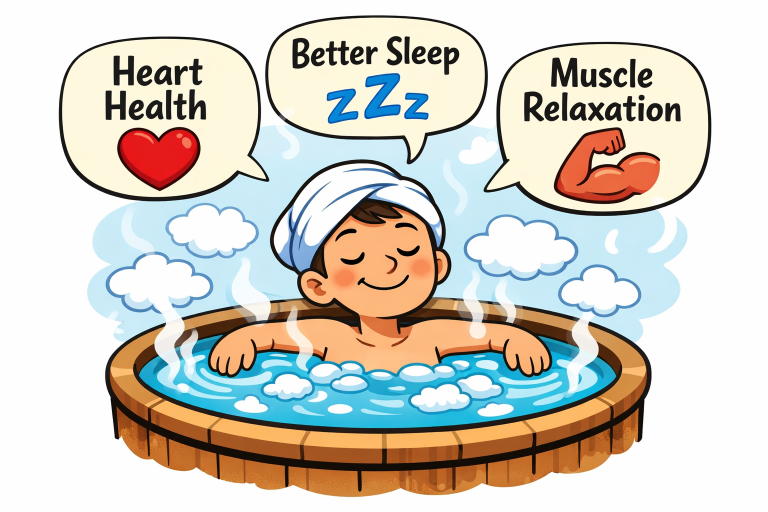
Hot tubs are widely used for their ability to soothe muscles after physical activity, offering immediate relief from soreness and tension. When muscles are exposed to heat, blood flow increases, bringing more oxygen and nutrients necessary for repair. The buoyancy of the water also reduces the impact of body weight, helping to relax tight muscles and ease strains. This can be particularly beneficial for athletes or anyone with a physically demanding job.
Improved Sleep Quality
Millions of adults struggle to fall or stay asleep. Soaking in a hot tub for 15 to 30 minutes before bed can improve sleep in several ways. The rise in body temperature, followed by gradual cooling after you leave the water, signals to your nervous system that it is time to rest. This process mimics the body’s natural temperature cycle in the evening hours, fostering a smoother transition to deep sleep. Studies suggest that hot water immersion even helps people with insomnia achieve deeper, more restorative rest.
Pain Relief
For those suffering from chronic pain conditions such as arthritis, fibromyalgia, or general joint pain, soaking in a hot tub can offer daily relief. The buoyant force counteracts gravity, reducing pressure on sore joints and making movement easier. Heat from the water helps minimize swelling while jets provide a gentle massage to ease discomfort and promote healing. This benefit makes hot tubs an effective part of home pain management for many people.
Cardiovascular Health
Hydrotherapy is not limited to the muscles and mind. Studies show a link between regular hot tub use and improved cardiovascular health. Immersing yourself in warm water dilates the blood vessels, improving circulation and lowering blood pressure. In one Japanese study, frequent hot baths were associated with a significantly lower risk of cardiovascular diseases, such as heart attack and stroke. This research suggests that regular soaks could be a simple way to support heart health, especially for those who cannot exercise vigorously.
Enhanced Insulin Sensitivity
Emerging scientific evidence indicates that regular exposure to heat, such as from hot tubs, may improve insulin sensitivity—an important factor in managing blood sugar and reducing diabetes risk. The heat helps blood vessels open, improving insulin delivery to muscles and boosting glucose uptake. While it should not replace conventional diabetes treatments, hot tub therapy can be a supportive element for blood sugar management in many adults.
Calorie Burn
Although soaking in a hot tub is no substitute for regular exercise, studies suggest that it can modestly boost calorie burn. An hour-long soak may burn as many calories as a brisk 30-minute walk. This benefit, while subtle, may provide a helpful extra for those trying to manage their weight or add some passive activity to sedentary routines. Combining hot tub use with other healthy habits maximizes these effects.
Safety Considerations
While hot tubs offer substantial health benefits, safety must always come first. Those with certain health conditions, such as cardiovascular problems, low blood pressure, or pregnancy, should speak with a healthcare provider before using a hot tub. Children should never use hot tubs unsupervised. It is important to stay hydrated and limit soak times to 15–30 minutes to avoid overheating or dehydration. Practicing proper maintenance and hygiene is also essential to prevent infections and fully enjoy your hot tub’s benefits.
Conclusion
Incorporating regular hot tub soaking into your wellness routine is an enjoyable, scientifically backed way to support your overall health, from stress reduction and pain relief to better sleep and heart health. Prioritize safe use, and consult your healthcare professional with any concerns before getting started.
Discover more from The Cameron Journal
Subscribe to get the latest posts sent to your email.




