Key Takeaways
- Gain a clear understanding of the main and sub panels and their unique functions within your electrical system.
- Recognize common signs indicating that your panel needs an upgrade or maintenance.
- Follow essential safety practices, and always know when it’s time to call for expert help to avoid risks.
Table of Contents
- Understanding Main Electrical Panels
- The Role of Sub Panels
- Signs You Need an Upgrade
- Safety Considerations
- When to Call a Professional
- Conclusion
Understanding your home’s electrical system is not only about convenience but also about ensuring your family’s safety. If properly managed and maintained, the electrical panels in your home help keep your appliances running smoothly and prevent potential hazards. If you are considering an electrical panel upgrade and repair in Orange County CA, it is vital to understand what these components do and why they matter for modern households.
Main and sub panels are the backbone of residential electrical systems, distributing and regulating power throughout the home’s various zones. Navigating these electrical elements is important for both new and seasoned homeowners. With greater insight into how electrical panels operate, you can manage your household’s power use more efficiently while minimizing risks. Taking the time to inspect and understand your home’s main and subpanels can help prevent sudden electrical malfunctions and costly emergency repairs. These panels are also linked to compliance with current electrical codes, which change over time as technology evolves. By staying informed, you empower yourself to make smarter, safer decisions. This guide brings together expert perspectives and actionable tips to help you identify key issues, make educated decisions about upgrades or repairs, and know when to seek professional assistance. With proper knowledge and attention, your household remains protected and prepared for today’s power needs.
Understanding Main Electrical Panels
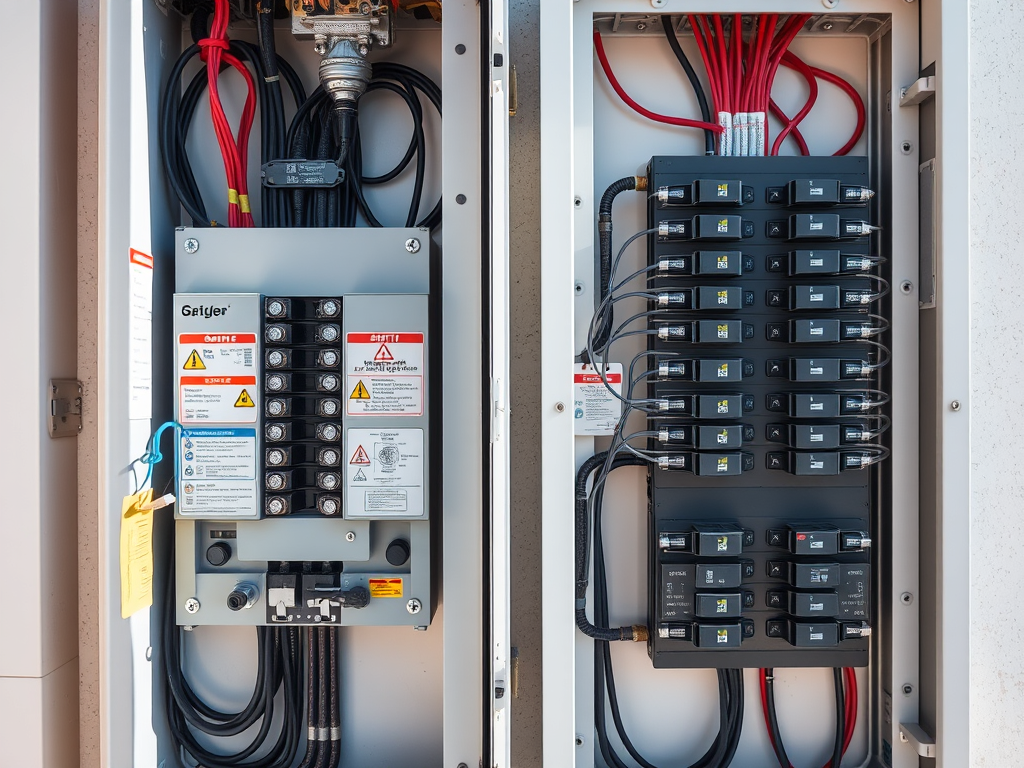
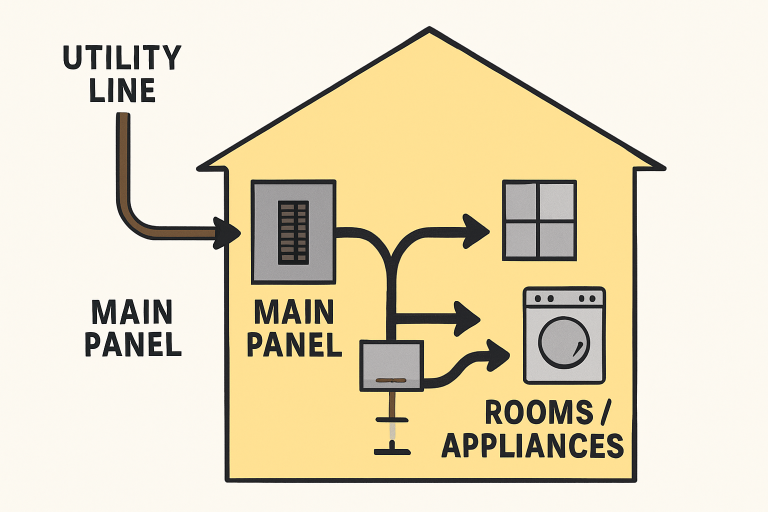
The main electrical panel, commonly known as the breaker box, acts as the heart of your home’s electrical system. This central distribution point allows electricity from your utility provider to enter your home and branch out to various rooms and appliances through dedicated circuits. Inside the panel are circuit breakers, which serve as protective devices that stop the flow of electricity if a circuit becomes overloaded or a short circuit occurs. A well-maintained main panel not only ensures that power is available where you need it, but it also significantly reduces the likelihood of electrical fires. Panels should be evaluated periodically to confirm that working parts are up to code and functioning as designed. Regular inspections are especially important in older homes or homes with recently added high-demand electronics.
The Role of Sub Panels
Subpanels, also called satellite panels, are auxiliary distribution centers connected to the main panel. They are often used to manage power distribution to specific areas, such as workshops, garages, or home additions, where extra circuits are needed. Sub panels allow you to increase electrical capacity efficiently, especially if your main panel’s structure and space are maxed out. Adding a subpanel can streamline electrical use in areas with unique demands, such as equipment-heavy kitchens or home offices. This approach helps evenly distribute the electrical load and minimizes strain on your main panel, which can otherwise lead to frequent breaker trips or power interruptions.
Signs You Need an Upgrade
Select warning signs suggest your electrical panels might be due for an upgrade or replacement. Recognizing these symptoms early helps you address concerns before they escalate into more dangerous problems.
- Frequent Circuit Breaker Trips: If you notice that breakers are consistently tripping, especially when using everyday appliances, this often means your panel is overloaded.
- Flickering or Dimming Lights: Irregular lighting or dimming when major appliances power on can indicate power flow issues that your current panel is not able to handle properly.
- Burning Smells or Sparks: Any hint of burning odors or sparks from your electrical panel requires immediate professional attention, as these are signs of overheating or electrical arcing and can lead to fire hazards.
Panel upgrades ensure your system operates within the limits of modern electrical codes and accommodate the increasing demand from new appliances and technologies.
Safety Considerations
Safety is the cornerstone of any electrical work in your home. It’s essential to be proactive and make sure your system is in good shape before issues arise. Here are several key safety measures every homeowner should keep in mind:
- Regular Inspections: Schedule evaluations by a licensed electrician to identify and remedy issues early. This is important, even if you do not suspect any immediate problems.
- Panel Accessibility: Keep your electrical panels clear of clutter and easily accessible at all times for safety checks and emergencies.
- Clear Circuit Labeling: Clearly labeling each circuit inside the panel ensures quick identification of switches and can save precious time during repairs or power outages.
Neglecting these steps can result in inconvenience, code violations, or far greater safety hazards.
When to Call a Professional
While some maintenance, such as checking for visible corrosion or dust buildup, is safe for homeowners, many electrical issues require professional expertise.
- Panel Upgrades: Upgrading or replacing a panel must only be done by a licensed electrician, as it risks personal injury and can affect your property’s insurance or code compliance.
- Persistent Issues: Ongoing breaker trips, recurrent flickers, or failure of appliances to run smoothly should always be assessed by a professional to prevent hazards and costly repairs.
- Adding Heavy Appliances: If you plan to install large electricity-consuming devices, such as EV chargers, HVAC units, or hot tubs, an electrician can determine if a new or expanded panel is necessary.
Electrical work carries inherent dangers. Avoid risking your safety and ensure a qualified technician handles all upgrades and complex troubleshooting.
Conclusion
Solid knowledge of your home’s electrical main and sub panels is a critical step toward maintaining a safe, efficient, and comfortable living environment. Periodic inspections, prompt responses to warning signs, and timely professional consultations will help keep your household running smoothly. Prioritizing safety and keeping up to date with electrical infrastructure needs can protect both your home and everyone in it.
Discover more from The Cameron Journal
Subscribe to get the latest posts sent to your email.