Key Takeaways:
- Modern central HVAC systems enhance energy efficiency and reduce utility costs.
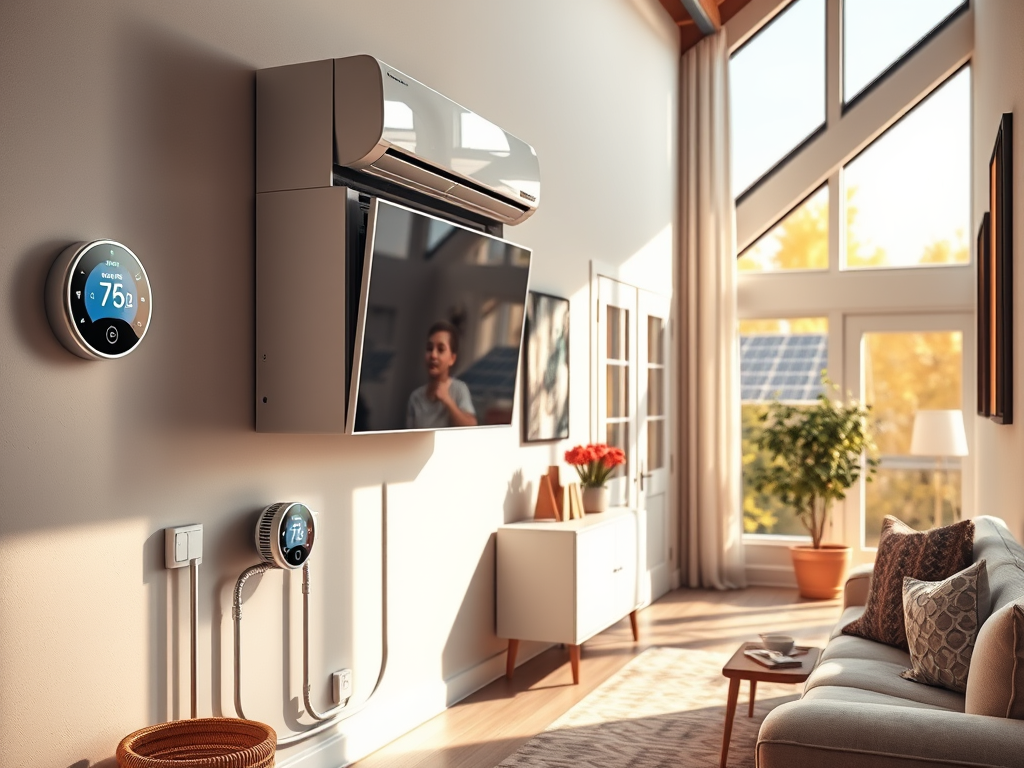
- Innovations like smart thermostats and zoning systems offer personalized comfort.
- Integration with renewable energy sources promotes environmental sustainability.
Over the past decade, the way homeowners approach indoor comfort has undergone a fundamental shift, driven by major advances in central heating and cooling systems. Rather than settling for outdated or inefficient technology, many families are now prioritizing systems that deliver not only reliability and robust performance but also the ability to reduce energy consumption and monthly costs. Products such as split heat pumps provide a sophisticated, energy-efficient alternative to traditional units. These innovative systems offer superior control over home temperature and humidity while balancing long-term comfort and environmental sustainability.
As the demand for greener, more intelligent solutions grows, the HVAC industry is experiencing unprecedented technological evolution. Today’s systems boast intelligent features that actively adapt to your unique lifestyle patterns, anticipated comfort needs, and changing seasons. This progress enables a living environment characterized by optimal temperature management, minimal waste, and maximum comfort, no matter the weather outdoors.
Enhanced Energy Efficiency and Cost Savings
Efficiency is a central feature of modern HVAC systems, incorporating advanced components such as state-of-the-art compressors and variable-speed motors. These innovations allow units to adjust operations, resulting in consistent indoor temperatures while consuming significantly less energy than older models. This enhanced efficiency leads to lower monthly utility bills, enabling homeowners to allocate savings to other necessities. Furthermore, smoother operation and demand-based cycles reduce wear and tear, lengthening the equipment’s lifespan.
Investing in high-efficiency HVAC systems offers substantial long-term savings that can recoup the initial costs within a few years. The environmental benefits are also notable, as reduced energy consumption lowers greenhouse gas emissions. The U.S. Environmental Protection Agency’s ENERGY STAR program indicates that homes with certified HVAC systems can save up to 20 percent annually on heating and cooling costs when properly installed and maintained. Additionally, potential rebates or incentives from local governments or utility providers may facilitate the shift toward more sustainable home comfort solutions.
Smart Thermostats: Personalized Climate Control
The emergence of smart thermostats has revolutionized residential climate control by offering more than just temperature adjustments. These devices learn user habits over time, enabling them to create personalized heating and cooling schedules that align with individual lifestyles. They can adapt to preferences, such as maintaining a cooler bedroom for sleep or warming the living area for movie nights, through programmable settings that can be adjusted in real time.
A key feature of smart thermostats is remote access, which allows homeowners to manage their indoor climate from anywhere using user-friendly apps and web interfaces. They also support voice control through digital assistants, such as Amazon Alexa and Google Assistant, facilitating effortless temperature management. Some models offer comprehensive energy consumption reports that guide users to areas where they can save energy. In summary, smart thermostats provide personalized comfort while promoting eco-friendly, energy-efficient habits.
Zoning Systems: Customized Comfort Throughout Your Home
Zoning systems address a longstanding homeowner frustration: the struggle to maintain evenly distributed comfort throughout the entire house. Instead of relying on a single temperature for the entire home, zoning technology divides the home into distinct sections, or “zones.” Each of these zones, managed by its own thermostat, can be programmed for a unique temperature preference based on its usage and occupancy. For example, you can keep bedrooms at a comfortable, cool setting at night while focusing warmth in the living room or other common areas during the day.
By fine-tuning temperatures across different zones, homeowners avoid wasted energy in infrequently used spaces, further reducing monthly costs. This targeted approach not only maximizes comfort but also alleviates strain on HVAC systems, since they don’t have to work unnecessarily hard to maintain a single, uniform temperature throughout the whole house. For multi-story residences or larger homes with sunlit spaces prone to overheating, zoning provides a much-needed solution for balancing warm and cool areas.
Integration with Renewable Energy Sources
Modern central heating and cooling technologies are increasingly engineered to work in harmony with renewable energy sources, creating homes that are both comfortable and highly sustainable. Geothermal HVAC systems, for instance, capitalize on stable underground temperatures by cycling fluid through a series of buried pipes, thereby generating heat in winter and providing cooling in summer, while using significantly less electricity than conventional models. This technology is durable and has the potential to keep energy bills low for decades.
Similarly, solar-powered HVAC units are becoming more accessible, enabling homeowners to reduce their reliance on the grid by using solar panels to power heating and cooling operations. Paired with energy storage options, such as batteries, these systems can even store excess energy generated during the day for use at night or on cloudy days. As these systems become more efficient and cost-effective, integration with renewable energy is set to play an increasingly pivotal role in the evolution of home comfort solutions.
Noise Reduction Technology Enhances Comfort
Quiet operation is now considered an essential aspect of overall home comfort. Today’s central HVAC systems come equipped with advanced noise-reduction features, such as sound-dampening insulation around noisy components and variable-speed fans that gradually ramp up or down rather than abruptly start and stop. Improvements in duct design and installation techniques have further reduced vibration and air turbulence, ensuring a much quieter indoor environment.
For families and individuals sensitive to background sounds, these improvements can make a dramatic difference, turning the home into a peaceful retreat free from disruptive mechanical humming or rattling. Whether it’s maintaining the tranquility of a nursery or supporting focused work in a home office, the latest noise-reduction technologies let occupants enjoy their HVAC system without ever being disturbed by it.
Artificial Intelligence and Predictive Maintenance
Artificial intelligence (AI) is revolutionizing residential HVAC systems by utilizing real-time data, including weather forecasts, local climate, occupant habits, and system performance, to automatically optimize temperature settings and minimize energy waste. For instance, an AI-driven HVAC controller can postpone heating or cooling based on predicted weather changes or switch to eco-mode when it recognizes that the home is empty. A key aspect of AI in HVAC is predictive maintenance, which uses continuous monitoring to detect early signs of potential issues, such as component wear, refrigerant leaks, or airflow blockages. This proactive approach allows homeowners and service providers to resolve minor problems before they escalate into expensive failures. The Forbes Tech Council provides further insights into how machine learning and AI are transforming home climate control, improving reliability and efficiency.
Conclusion
Central heating and cooling systems have dramatically reshaped the meaning of home comfort in the modern era. Enhanced by smart controls, higher efficiency, cutting-edge noise reduction, and seamless integration with renewable energy, today’s HVAC solutions provide not only exceptional comfort but also real savings and sustainability. By adopting these innovations, homeowners position themselves at the forefront of technology, enjoying a healthier, more energy-efficient household today while contributing to a greener, more sustainable future for all.
Discover more from The Cameron Journal
Subscribe to get the latest posts sent to your email.