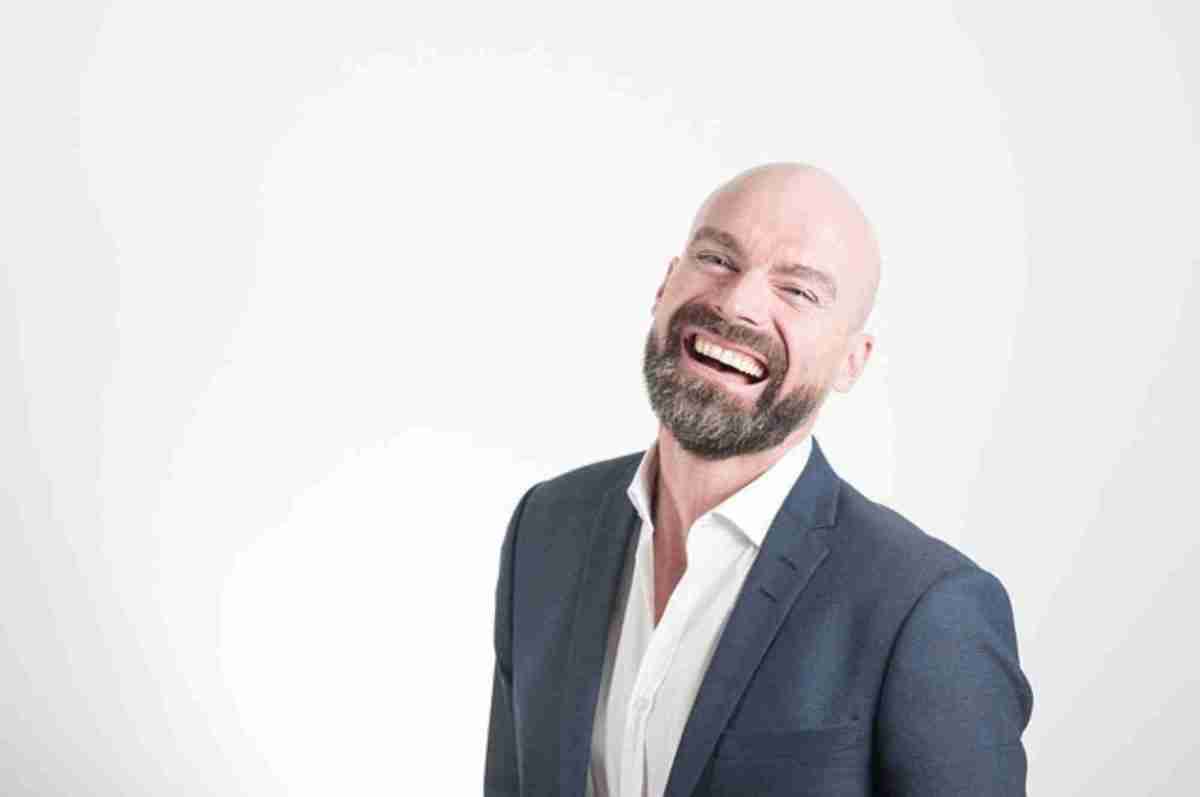
When it comes to fashion, menswear has not changed much since the 1920s. The modern suit, which was simplified with the suits of the 19th century came into fashion and menswear hasn’t changed much since. Sportswear, like sweaters, slacks, and button down shirts were also popular and things like the polo shirt are still popular today. the 1950s brought the t-shirt as not just an item of underwear but as a fashion statement on its own. Menswear has become increasingly casual with every modern iteration. In the past 30 years we’ve seen the death of the necktie, french cuffs, and suits as everyday items of clothing.

The Suit Was THE Menswear Item
Looking back at films like Rebel with a Cause, where James Dean wore a suit to highschool seems odd by modern standards. However, the suit was something men wore
Who’s In Trouble?
In this Vox article, the writer makes an interesting point about the suit. Given the changes in corporate America where the cool boss doesn’t wear a tie and where the suit is hard to find in the halls of silicon valley and other cool startups, to see people wearing a suit now, outside of politics, means that someone is in trouble. Lawyers wear suits and suits usually mean trouble. The phrase, “bring in the suits” usually means the passel of lawyers required to undo whatever has happened. Take Mark Zuckerberg for example, he famously goes about in a shirt and grey hoodie but when appearing before Congress for Facebook’s influence on elections and privacy violations he wore a tailored suit, one of the few situations where wearing a suit is required. The idea that a suit means trouble is afoot is an interesting idea.
Given the modern convention of fashionable comfort, I don’t think that the suit will be making a comeback anytime soon. We’ll see formal hoodies before we see a revival of the suit. Jeans are now practically dress wear and everyone is remixing fashion into all sorts of new ideas. Grunge is even making a comeback thanks to the 90s being trendy. Menswear is finally getting an update and that update does not include a suit. For office wear the button down shirt will certainly still be a staple. And chinos/khakis/slacks will still be around for awhile. The blazer may still hang on as well, but the full suit will be reserved for those moments when things get really serious.
As a personal note, I personally don’t like wearing suits as a rule. They aren’t really cut for my body style and they overly restrict my movement. I like things tailored but I also like to lift my arms and a jacket certainly gets in the way of that. I also like to not have anything around my neck, so neckties are out. I’m only caught wearing a suit when I really need wear one and if I can get away without a tie I certainly opt not to. I grew up in churches were wearing a suit was a normal item and so I’ve worn suits of all sorts of shapes, colors, and sizes. Later, when I owned a vintage clothing boutique I wore suits
Discover more from The Cameron Journal
Subscribe to get the latest posts sent to your email.