
Security threats come in many forms, from unauthorised access and theft to vandalism and cyber risks linked to physical breaches. If your business operates in a high-traffic area or handles valuable assets, a strong on-site security strategy is crucial. Fortunately, there are several ways to improve security and reduce risks. Here’s what businesses can do to create a safer environment.
1. Security Guard Patrol Services – A Visible Deterrent
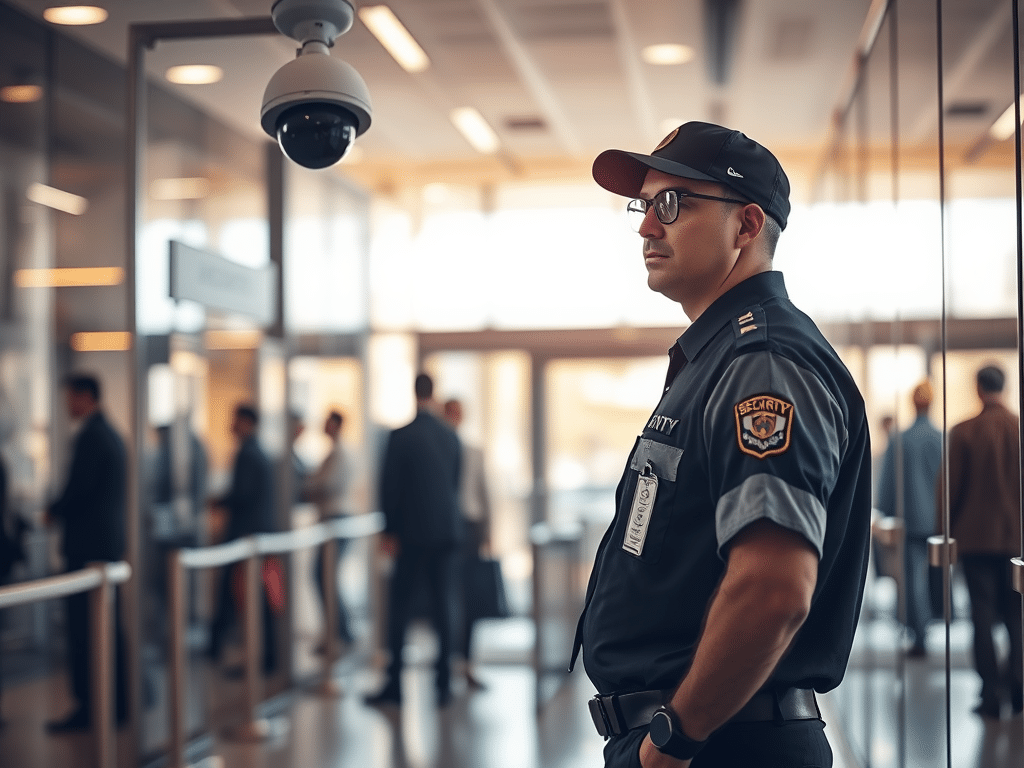
Having trained security personnel on-site is one of the most effective ways to deter threats. Their presence alone is often enough to prevent incidents before they happen. Guard patrol Adelaide provides several layers of protection by monitoring entry points, checking identification, and ensuring only authorised personnel have access to restricted areas. In emergencies, they can take immediate action, reducing the risk of escalation and improving response times.
Beyond security, their presence reassures staff and customers. Employees feel safer knowing there’s someone on-site to handle threats, and customers are more at ease in a well-protected environment. Businesses can choose between static guards positioned at key locations or mobile patrols covering larger areas. Both options strengthen overall security and provide a strong defence against intrusions.
2. Access Control Systems – Restrict Entry to the Right People
Controlling who enters and exits a business is fundamental to security. Modern access control systems go beyond traditional locks and keys, offering better protection and tracking. Options like key card or fob systems ensure that only authorised individuals can enter certain areas, while biometric access, such as fingerprint or facial recognition, provides an added layer of security. Some businesses also implement pin code entry for quick and controlled access.
When integrated with surveillance cameras and security software, access control systems allow for real-time monitoring. If an unauthorised entry attempt occurs, security teams are immediately alerted, preventing potential threats from escalating. These systems are particularly useful in businesses handling sensitive information or valuable stock.
3. Surveillance Cameras – Eyes on Every Corner
A well-placed CCTV system acts as both a deterrent and a means to gather evidence if an incident occurs. Positioning cameras strategically is key to maximising security coverage. Entry and exit points should always be monitored to capture everyone coming and going, while parking lots and loading areas need coverage to prevent vehicle-related theft and vandalism. High-risk areas, such as cash-handling zones or storage areas, also require surveillance to protect against internal and external threats.
Modern security cameras come with advanced features like night vision, motion detection, and real-time alerts. These enhancements make them more effective at detecting suspicious activity, even in low-light conditions. Having clear footage also helps law enforcement in case of an investigation, making it easier to identify and track intruders.
4. Adequate Lighting – A Simple Yet Powerful Security Measure
Poor lighting provides an opportunity for criminals to operate unnoticed. Businesses that invest in proper lighting significantly reduce their risk of break-ins. Entrances and exits should be well-lit to eliminate dark hiding spots, while pathways and parking areas should have sufficient visibility to ensure employees and visitors feel safe. Blind spots, especially those not covered by surveillance, need lighting to prevent unauthorised access.
Motion-activated lighting is a practical option for businesses looking to improve security without driving up energy costs. These lights turn on when movement is detected, surprising potential intruders and making them more visible to security cameras.
5. Secure Perimeters – Keep Intruders Out
A business’s first line of defence is its physical boundary. A secure perimeter prevents unauthorised individuals from getting close to the main building. Strong fencing with controlled entry points adds an extra layer of security, while barriers and bollards can stop vehicles from being used for forced entry.
Signage also plays a role in deterring threats. Clear warnings about surveillance, alarm systems, and restricted access areas make intruders think twice before attempting anything. Regular inspections of fencing, gates, and entry points help identify vulnerabilities before they become security risks.
6. Alarm Systems – Instant Alerts for Suspicious Activity
A reliable alarm system ensures businesses are notified immediately if an intrusion occurs. The best systems integrate with other security measures, such as surveillance and access control, for a more comprehensive approach. Motion sensors detect movement in restricted areas, while glass break detectors alert security to attempted break-ins through windows or glass doors.
Some businesses opt for silent alarms, which notify authorities without alerting intruders. This can prevent situations from escalating and increase the chances of catching perpetrators in the act. Regular testing and maintenance of alarm systems are essential to ensure they function properly when needed.
7. Employee Training – Security Starts with Awareness
No security system is effective if employees are unaware of best practices. Training staff on security procedures helps prevent breaches and ensures a quicker response in case of emergencies. Employees should be trained to recognise suspicious behaviour, report security concerns, and follow access control protocols to prevent unauthorised entry.
Understanding how to handle threats, such as theft or trespassing, empowers employees to take the right actions when needed. Businesses that provide regular refresher training keep security at the forefront of their workforce’s minds, reducing the risk of human error compromising safety.
8. Cybersecurity Measures – Physical Security Meets Digital Protection
Security isn’t just about protecting physical spaces. Many breaches happen due to a combination of physical and cyber vulnerabilities. Businesses must ensure their digital infrastructure is as secure as their physical premises. Protecting Wi-Fi networks, implementing multi-factor authentication for system access, and restricting physical access to data storage areas all contribute to a strong security approach.
Many cyberattacks start with unauthorised access to company devices or networks. Ensuring employees follow cybersecurity protocols, such as locking their screens and using strong passwords, helps prevent data breaches linked to physical security weaknesses.
9. Regular Security Audits – Identify Weaknesses Before They Become Problems
Security isn’t a one-time effort. Businesses should conduct regular security audits to identify weaknesses and ensure all measures remain effective. Reviewing surveillance camera placement, checking access control logs for unusual activity, and assessing employee compliance with security protocols all help keep systems running smoothly.
Issues uncovered during audits should be addressed immediately to prevent security gaps from being exploited. Businesses that stay proactive rather than reactive are better equipped to handle potential threats.
10. Emergency Response Plans – Be Prepared for Any Situation
Even with strong security measures in place, emergencies can still happen. A well-structured emergency response plan ensures everyone knows how to react in a crisis. Clear evacuation procedures, defined communication protocols, and assigned roles for key personnel help minimise chaos during an incident.
Regular drills and training sessions keep employees prepared for security threats. Knowing what to do in the event of an intrusion, fire, or other emergency reduces panic and ensures a swift, organised response.
Security is an Ongoing Commitment
Improving on-site security isn’t about a single solution—it’s about layering multiple protective measures to create a strong defence. Businesses that invest in security guard patrols, access control, surveillance, and employee training create a safer environment for staff and customers.
Security threats will always exist, but businesses that take a proactive approach can stay ahead of potential risks and protect their assets effectively. By consistently evaluating and improving security strategies, organisations can build a robust defence that stands the test of time.
Discover more from The Cameron Journal
Subscribe to get the latest posts sent to your email.




